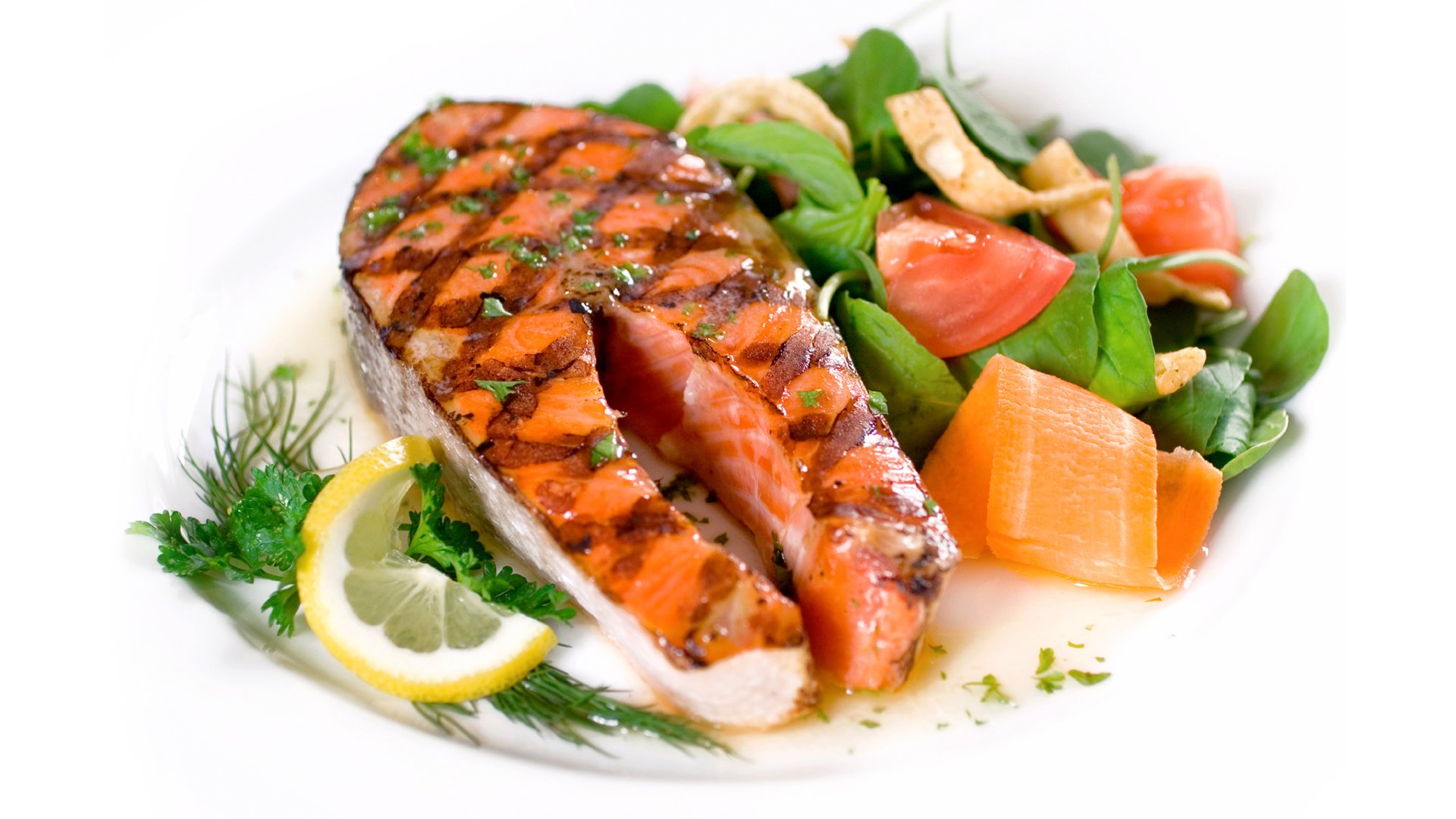
Panel Discussion: High-Protein Meals for a Healthy Diet
Protein is one of the essential macronutrients that our bodies need to function correctly. It plays a crucial role in building and repairing tissues, producing enzymes and hormones, and maintaining healthy bones, skin, and hair. Therefore, it’s important to incorporate high-protein meals into your diet to ensure your body gets enough of this vital nutrient.
Today we have invited a panel of nutrition experts to share their insights on high-protein meals that can help you achieve optimal health. Let’s hear what they have to say!
Moderator: Thank you all for joining us today. To start off, could each of you introduce yourselves briefly?
Expert 1: Hi everyone! I’m Jane Smith, a registered dietitian with over ten years of experience helping people make healthier food choices.
Expert 2: Hi there! My name is John Doe, and I am a certified nutritionist who has been working in the field for five years now.
Expert 3: Hello! My name is Lisa Brown, and I am a fitness coach specializing in plant-based diets.
Moderator: Great! Let’s jump right into our discussion about high-protein meals. What are some healthy protein sources that people can include in their diets?
Jane Smith: There are many great protein sources out there! Some examples include lean meats like chicken breast or turkey; fish such as salmon or tuna; eggs; dairy products like milk, cheese or yogurt; legumes like lentils or chickpeas; nuts and seeds such as almonds or chia seeds.
John Doe: Absolutely agree with Jane here! Additionally, soy products like tofu or tempeh are also excellent sources of plant-based protein for vegetarians and vegans.
Lisa Brown: As someone who follows a plant-based diet myself, I would also add quinoa as another fantastic source of complete protein which contains all nine essential amino acids.
Moderator: Those are some great options! How can people incorporate these high-protein foods into their meals?
John Doe: One easy way to do this is by adding protein-rich ingredients to your meals. For example, you could add sliced almonds or chia seeds to your morning oatmeal; mix chickpeas or black beans into your salads; or top your baked potatoes with a spoonful of Greek yogurt.
Jane Smith: Another idea is to plan your meals around high-protein foods. For instance, you could make a stir-fry with chicken breast and veggies for dinner, or have a tuna salad sandwich for lunch. You could also try making omelets with eggs and cheese for breakfast.
Lisa Brown: And if you’re following a plant-based diet like me, there are plenty of options too! You can make lentil soup for lunch, tofu stir-fry for dinner, and quinoa salad with nuts and seeds as a side dish.
Moderator: Those are all excellent suggestions! What about snacks? Can they be high in protein too?
Jane Smith: Absolutely! Snacks can be an excellent opportunity to get more protein into your diet. Some ideas include hard-boiled eggs; cottage cheese with fruit; hummus and vegetables; peanut butter on whole-grain crackers; or plain Greek yogurt mixed with berries.
John Doe: I would also recommend protein bars made from natural ingredients like nuts and dried fruits. They can be convenient when you need a quick snack on the go!
Lisa Brown: As someone who loves smoothies, I often add plant-based proteins like hemp hearts or pea protein powder into my drinks as well!
Moderator: All of those sound delicious! Finally, what are some high-protein meal plans that people can follow?
John Doe: Well-balanced meal plans should include lean proteins paired with complex carbohydrates such as brown rice or sweet potatoes along with fibrous vegetables. Here’s an example of a day’s worth of high-protein meals:
Breakfast: Scrambled eggs with spinach and whole-wheat toast
Snack: Greek yogurt mixed with berries
Lunch: Grilled chicken breast on top of quinoa and steamed broccoli
Snack: Apple slices with almond butter
Dinner: Baked salmon with roasted sweet potatoes and mixed greens salad
Jane Smith: That sounds great! Another option could be a vegetarian meal plan, which includes plant-based proteins paired with complex carbohydrates and healthy fats.
Breakfast: Oatmeal topped with sliced almonds, chia seeds, and fresh fruit.
Snack: Hummus dip with carrots or celery sticks.
Lunch: Tofu stir-fry served over brown rice noodles and veggies.
Snack: Protein bar made from nuts and dates.
Dinner: Lentil soup served alongside a side salad dressed in olive oil vinaigrette.
Lisa Brown:I would add that plant-based diet can also include vegan protein sources like tofu. Here is my favorite vegan high-protein meal plan:
Breakfast- Smoothie bowl made using blended soy milk, frozen banana, peanut butter powder, flaxseed powder & topped off granola or hemp hearts
Snack- Roasted chickpeas seasoned to your liking (salt/ pepper/chilli flakes etc)
Lunch- Quinoa salad bowl loaded up veggies like cucumber/tomatoes/bell peppers/avocado & topped off crumbled firm tofu for added protein punch!
Snack – Almond milk latte + energy balls made out of oats/nuts/seeds/dates/honey or maple syrup as per your preference
Dinner – Vegan lentil shepherd’s pie along cheesy cauliflower mash & roasted brussels sprouts
Moderator: These are all fantastic options! Thank you so much for sharing your insights today about high-protein meals that people can incorporate into their diets. We hope our audience found this panel discussion helpful and informative!

Leave a Reply