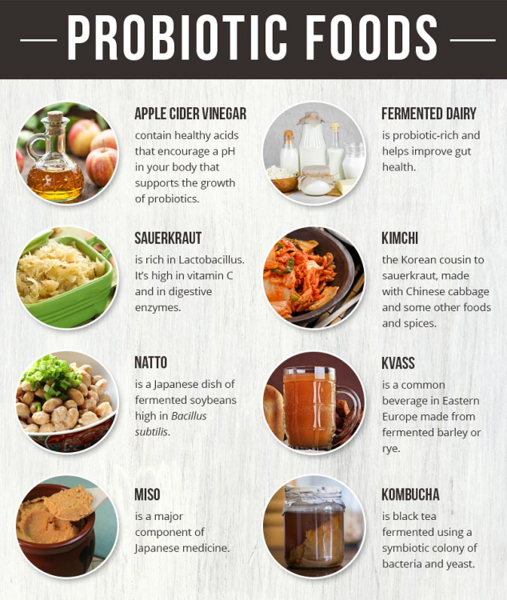
Probiotic-rich foods are essential for maintaining a healthy gut and overall well-being. These foods contain live beneficial bacteria that help boost our immune system, aid in digestion, and improve our mental health.
Some of the most common probiotic-rich foods include fermented vegetables like sauerkraut, kimchi, and pickles. Fermented dairy products such as yogurt, kefir, and buttermilk also have high levels of probiotics. Other sources of probiotics include miso soup, tempeh, sourdough bread, kombucha tea, and apple cider vinegar.
Fermented vegetables are an excellent source of probiotics because they contain Lactobacillus plantarum or lactobacillus brevis strains which help to break down food particles in the digestive tract. Kimchi is a traditional Korean dish made with cabbage that has been fermented with garlic, ginger and chili peppers making it one of the spiciest ways to get your daily dose of good bacteria while adding flavor to any meal.
Yogurt is another popular probiotic-rich food that contains Lactobacillus acidophilus which helps keep harmful bacteria at bay in the digestive tract. Greek yogurt has higher protein content than regular yogurt so if you’re looking for something more filling then opt for Greek yogurts over other types.
Kefir is a fermented milk drink with origins from Caucasus Mountains region between Europe and Asia Minor. It’s made by fermenting cow’s milk along with kefir grains – symbiotic colonies of yeast and lactic acid bacteria – resulting in a tart-tasting drink packed full of good bacteria including Lactococcus lactis subsp cremoris & Streptococcus thermophilus which can help protect against infections caused by pathogenic microorganisms (1).
Sourdough bread is also rich in probiotics thanks to its long fermentation process using wild yeasts allowing time for beneficial bacteria to develop. The bacteria in sourdough bread help break down gluten making it easier to digest while also reducing the risk of inflammation.
Apple cider vinegar is another probiotic-rich food that has been used for centuries as a natural remedy for various ailments. It contains acetic acid, which helps to regulate blood sugar levels and improve digestion by increasing the production of digestive enzymes (2). Apple cider vinegar can be added to salads or taken as a shot with water before meals.
Miso soup is a traditional Japanese dish made from fermented soybeans, rice or barley mixed with salt and koji – a type of fungus – resulting in rich umami flavor profile along with high levels of probiotics. Miso soup can be enjoyed on its own or added to other dishes like stir-fries and soups to bring out their flavors.
Tempeh is another fermented soybean-based product that’s gaining popularity among vegetarians and vegans alike due to its high protein content and meat-like texture. Tempeh contains Rhizopus oligosporus, a type of fungus that helps break down phytic acid found in soybeans thereby improving nutrient absorption (3).
Kombucha tea is a fizzy drink made from sweetened black or green tea that has been fermented using SCOBY culture – symbiotic colony of bacteria & yeast – resulting in slight tangy taste & carbonation while being packed full beneficial microorganisms including Gluconacetobacter xylinus producing acetic acid aiding digestion (4).
In conclusion, incorporating probiotic-rich foods into your diet can have numerous health benefits from supporting gut health, boosting immunity, improving mental health & nutrient absorption overall leading towards healthy living lifestyle. So next time you’re at the grocery store don’t forget about these superfoods!

Leave a Reply