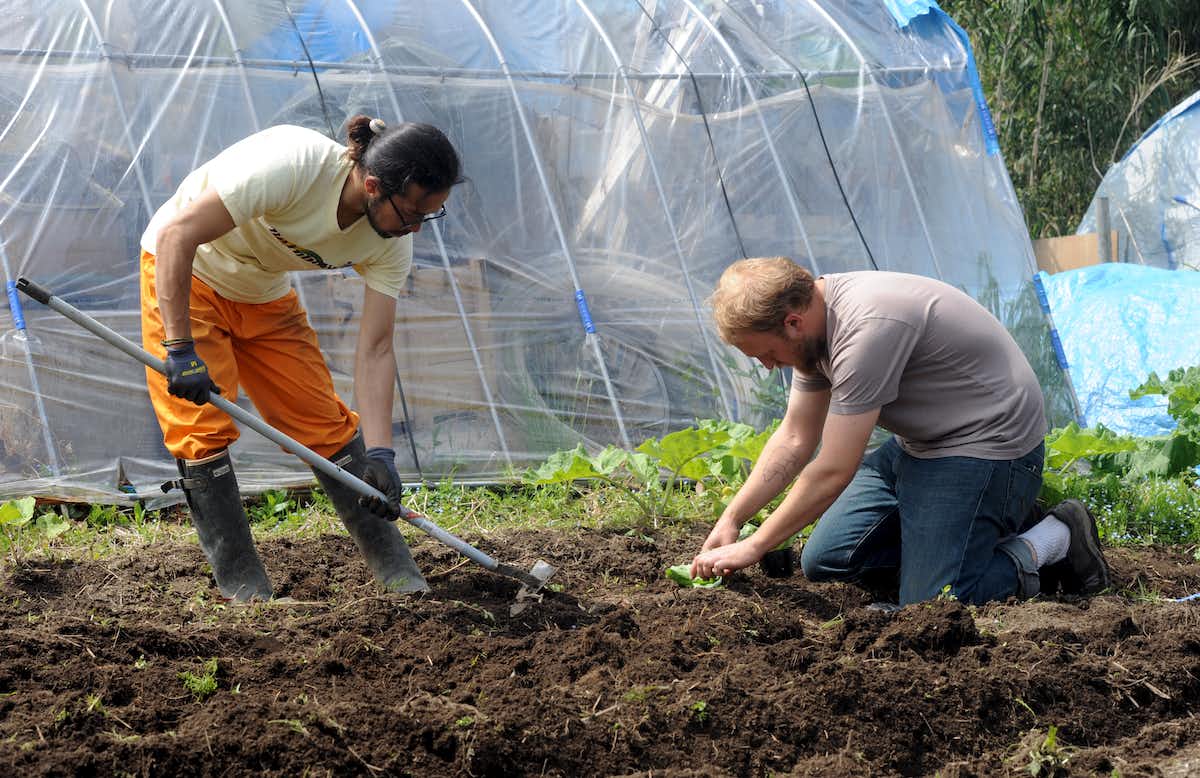
Organic farming is gaining popularity among consumers who are looking for a healthier and more sustainable way of eating. This type of farming relies on natural methods to grow crops and raise livestock, without the use of synthetic fertilizers, pesticides, or genetically modified organisms (GMOs). In this post, we will explore some of the best organic farming practices that can help you get started.
Firstly, soil management is one of the most important aspects of organic farming. Farmers using organic methods typically rely on composting and cover cropping to improve soil health. Composting involves collecting plant material such as leaves and stems along with other organic matter like food scraps or manure in a pile or bin where it decomposes over time into rich humus. Cover cropping refers to planting crops specifically for their ability to regenerate soils by fixing nitrogen from the air.
Secondly, crop rotation is another key practice used in organic agriculture. Crop rotation involves alternating different types of crops each year on a particular piece of land so that they do not deplete soil nutrients as quickly as monoculture does – growing only one crop repeatedly year after year. For example, farmers may rotate corn with soybeans or wheat followed by legumes.
Thirdly, pest management is also critical in any form of agriculture but especially so in organic farming where synthetic pesticides are not allowed. Organic farmers often turn to natural pest control methods such as introducing beneficial insects like ladybugs which feed on pests like aphids without harming plants themselves or release pheromones traps where male insects are attracted based on scent signals leading them into traps avoiding breeding cycles with females reducing reproduction rates.
Fourthly raising livestock organically requires providing them with proper housing conditions that allow freedom and access outdoors while maintaining clean living spaces free from disease-causing pathogens harmful both to animals and humans alike; feeding them diets consisting mainly grasses instead grain-based feeds high in GMO ingredients plus antibiotics growth hormones etc., ensuring meat products are healthy and free from harmful chemicals.
Lastly, organic farming practices vary depending on the crop or livestock being raised, so it is important to research what methods work best for your specific needs. Nonetheless, these five main practices: soil management, crop rotation, pest management, livestock raising conditions and proper feed nourishment will be an excellent foundation to start with when considering adopting organic agriculture practices. By following these principles of sustainable farming one can help create a healthier food system that benefits us all.

Leave a Reply