Probiotics and Weight Loss: What You Need to Know
If you’ve been trying to lose weight, you may have heard about probiotics. But what are they exactly? And can they really help with weight loss? In this post, we’ll explore the science behind probiotics and their potential benefits for weight management.
What Are Probiotics?
Probiotics are living microorganisms that reside in our gut. They’re often referred to as “good bacteria” because of their health-promoting properties. There are many different strains of probiotics, each with its unique set of benefits.
Some common strains include:
– Lactobacillus acidophilus: helps break down lactose (the sugar found in milk) and improve digestion
– Bifidobacterium bifidum: supports immune function and reduces inflammation
– Streptococcus thermophilus: produces enzymes that aid in the digestion of protein
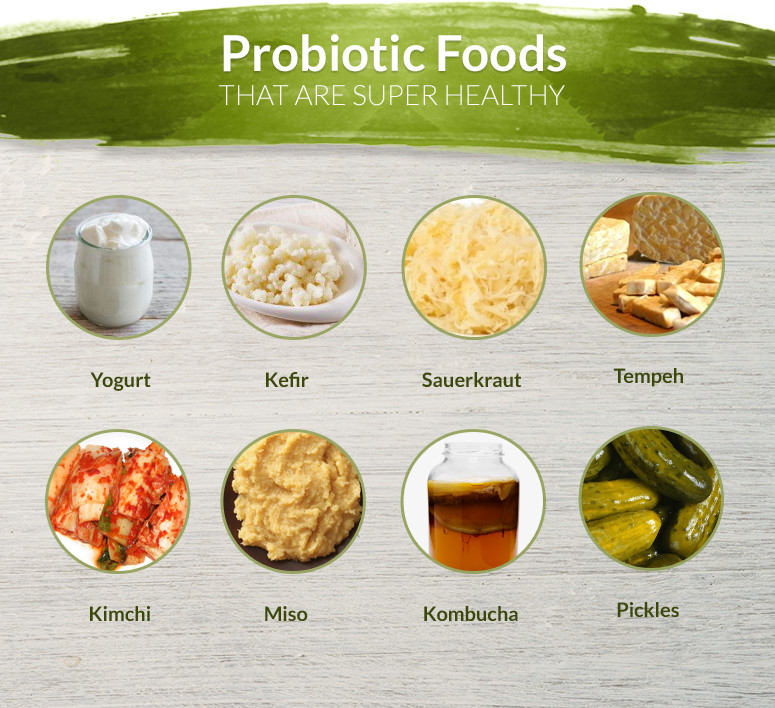
You can find probiotics naturally in fermented foods like yogurt, kefir, sauerkraut, kimchi, miso or tempeh. If you don’t consume these foods regularly then supplements might be a good way to get your daily dose.
How Do Probiotics Affect Weight Loss?
The connection between probiotics and weight loss is not entirely understood yet but researchers believe it has something to do with how certain types of bacteria affect our metabolism.
Studies have shown that people who are overweight tend to have a different composition of gut bacteria than those who maintain a healthy weight. For example, obese individuals may have lower levels of Bifidobacteria compared to lean individuals.
One theory is that certain strains of bacteria found in the gut influence how much energy we absorb from food. Some strains appear more efficient at breaking down carbohydrates while others work better on fats or proteins.
Another possibility is that certain types of bacteria produce compounds called short-chain fatty acids (SCFAs), which have been shown to reduce inflammation and promote feelings of fullness. This could help prevent overeating or snacking between meals.
Overall, the potential benefits of probiotics for weight loss seem promising but more research is needed to fully understand how they work.
What Are Some Probiotic-Rich Foods?
If you’re interested in incorporating more probiotics into your diet, here are some delicious foods that are high in beneficial bacteria:
1. Yogurt: made from fermented milk and contains Lactobacillus bulgaricus and Streptococcus thermophilus
2. Kefir: a tangy drink made from fermented milk that contains multiple strains of bacteria including Lactobacillus acidophilus, Bifidobacterium bifidum, and others.
3. Kimchi: a spicy Korean dish made from fermented cabbage that’s rich in Lactobacillus kimchii
4. Sauerkraut: a German pickled cabbage dish that’s loaded with Lactobacillus plantarum
5. Miso: a Japanese seasoning made from fermented soybeans that contains Lactobacillus plantarum
6. Tempeh: an Indonesian soybean cake that’s rich in Bifidobacterium bifidum.
7. Pickles – Fermented cucumber pickles are also an excellent source of gut-friendly bacteria like lacto-fermented pickles
You can easily add these foods to your daily routine for their health benefits as well as great taste.
Should You Take Probiotic Supplements?
While getting natural sources of probiotics through food is ideal there are many types of supplements available on the market too if you prefer them or can’t consume enough through diet alone.
It’s important to note that not all probiotic supplements are created equal though! Be sure to choose one with strains proven effective by scientific studies such as those mentioned earlier (Lactobacillus acidophilus, Bifidobacterium bifidum, etc.) and with at least 5-10 billion CFUs (colony-forming units) per dose.
It’s also essential to store them in a cool, dry place as heat and humidity can damage the bacteria. Always check the expiration date before purchasing any supplement or consuming it.
What Else Can You Do for Weight Loss?
While probiotics may offer some benefits for weight loss, they’re not a magic bullet. A healthy diet combined with regular exercise is still the most effective way to achieve lasting weight loss results.
Here are some additional tips:
1. Eat plenty of whole foods like fruits, vegetables, whole grains and lean proteins
2. Minimize processed foods as much as possible
3. Avoid sugary drinks such as soda or energy drinks
4. Drink plenty of water throughout the day to stay hydrated
5. Get enough sleep each night – poor sleep has been linked to weight gain.
In conclusion,
Probiotics have many potential benefits for health and wellness including weight management but they don’t work on their own! Incorporating probiotic-rich foods into your daily routine together with other healthy eating habits and physical activity can help you reach your goals faster without compromising on nutrition or taste!

Leave a Reply