Vitamin E: An Essential Nutrient for Optimal Health
Vitamin E is a fat-soluble nutrient that plays an important role in maintaining overall health. It is a powerful antioxidant that protects the body against damage caused by free radicals, which are unstable molecules produced during normal metabolism and exposure to environmental toxins like pollution and radiation.
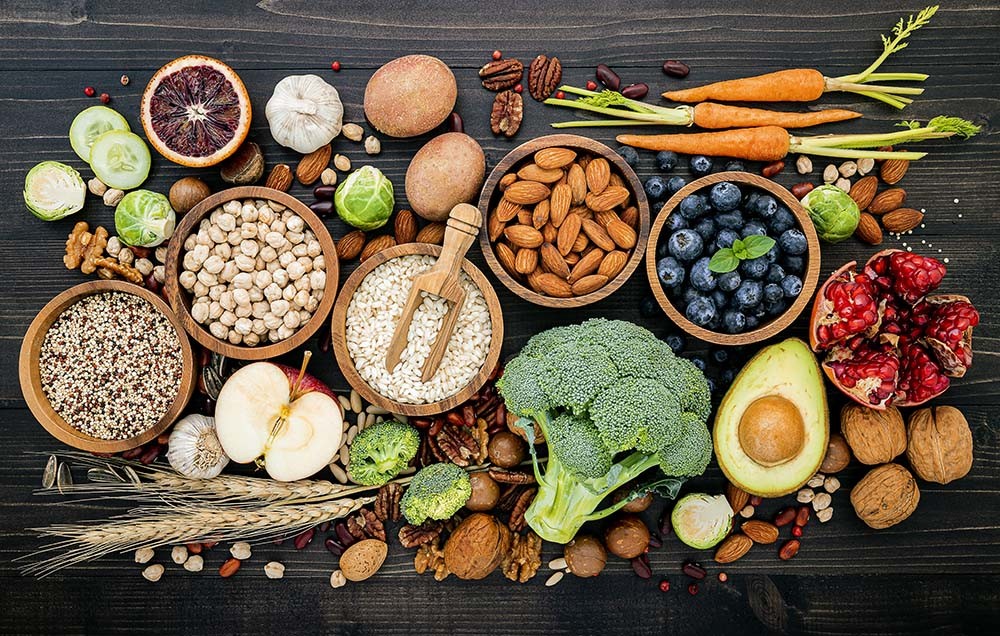
There are eight different forms of vitamin E, but only alpha-tocopherol is recognized as being essential for human health. This particular form of vitamin E is found in high amounts in nuts, seeds, vegetables oils such as sunflower oil and wheat germ oil, leafy greens such as spinach and broccoli.
The recommended daily intake of vitamin E varies depending on age and gender. For adults over 18 years old, the recommended intake ranges from 15-20 mg per day. Pregnant women require slightly more at 19 mg per day while breastfeeding mothers need about 21 mg per day.
One of the most important functions of Vitamin E is its role as an antioxidant. Antioxidants protect the body’s cells from damage caused by free radicals which can lead to chronic diseases such as cancer or heart disease if left unchecked.
In addition to its antioxidant properties, Vitamin E also plays a vital role in immune function; it helps support red blood cell production; it promotes healthy skin & hair growth and may even help reduce symptoms associated with premenstrual syndrome (PMS).
Research suggests that consuming adequate levels of vitamin E through diet may also be beneficial for reducing the risk for certain chronic illnesses such as Alzheimer’s disease or cognitive decline associated with aging.
Despite all these benefits, getting enough vitamin E through diet alone can sometimes be challenging especially if you have dietary restrictions or food allergies that limit your options. In such cases, taking supplements may be necessary to ensure adequate intake levels are met.
It’s worth keeping in mind though that excess consumption can lead to toxicity so it’s always best to seek advice from a healthcare provider to determine the appropriate dosage for your needs.
In conclusion, Vitamin E is an essential nutrient that is needed for optimal health. It plays a key role in maintaining healthy skin, hair and immune function while also reducing the risk of chronic diseases such as cancer or heart disease. While it’s best if you could obtain vitamin E through diet alone, supplements can be used when necessary but should only be taken after consulting with your doctor or nutritionist.

Leave a Reply