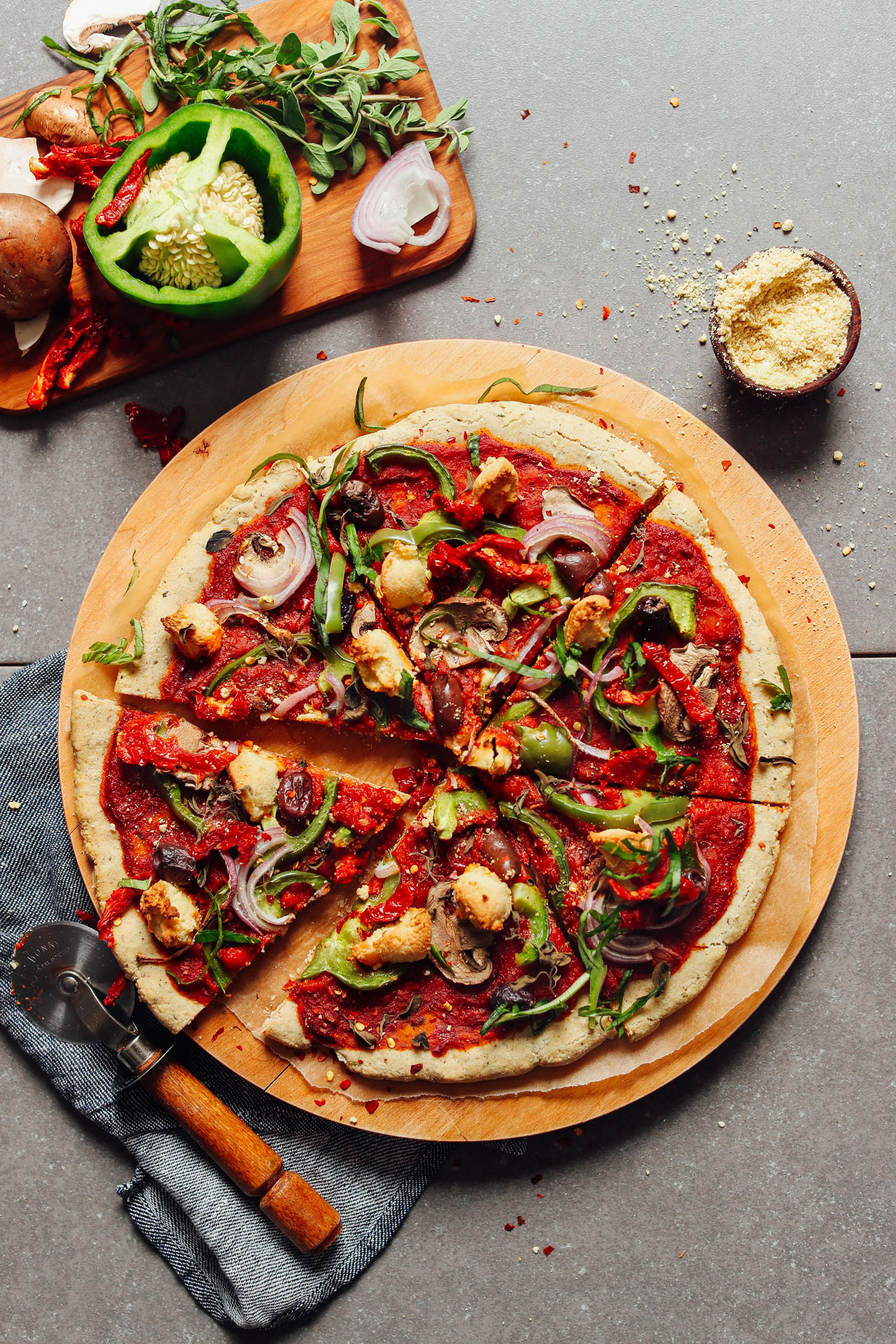
Gluten-Free Pizza Crusts: A DIY Guide
For those with gluten intolerance or celiac disease, finding a good pizza can be a challenge. Fortunately, making your own gluten-free pizza crust is easier than you might think. In this guide, we will walk you through the steps to make a delicious and healthy gluten-free pizza crust at home.
Ingredients:
– 1 cup of rice flour
– 1/2 cup of tapioca starch
– 1/4 cup of potato starch
– 1 teaspoon xanthan gum
– 2 teaspoons sugar
– 1/2 teaspoon salt
– 3 tablespoons olive oil
– 3/4 cup warm water (110°F)
Instructions:
Step One: Combine the Dry Ingredients
In a large mixing bowl, combine the rice flour, tapioca starch, potato starch, xanthan gum, sugar and salt. Mix well until all ingredients are evenly distributed.
Step Two: Add in Wet Ingredients
Add in the olive oil and warm water gradually while mixing continuously until dough forms together into a ball.
Step Three: Knead Dough
Knead dough for around three minutes on floured surface using rice flour. If it’s too sticky to work with add more flour as needed.
Step Four: Roll Out Dough
Using your hands or rolling pin roll out dough onto lightly oiled baking sheet or parchment paper to desired thickness. Preheat oven to 450 degrees F.
Step Five: Add Toppings
Spread tomato sauce over crust leaving at least an inch border around edges then sprinkle cheese on top along with other toppings if desired such as meats or vegetables.
Step Six : Bake
Bake for approximately fifteen minutes until cheese has melted or when crust begins to turn golden brown around edges. Remove from oven let cool before serving.
Tips & Tricks:
Here are some tips and tricks that will help make your gluten-free pizza crust even better:
– Make sure to use warm water, not hot or cold. This will help activate the xanthan gum and create a more elastic dough.
– Don’t over-knead the dough as it can cause it to become tough and chewy.
– If you are using toppings that release moisture such as mushrooms or pineapple, pre-cook them before adding them to your pizza to prevent sogginess.
– Experiment with different flours like almond flour or coconut flour for different textures and flavors.
Conclusion:
Making gluten-free pizza crust at home is easy when you have the right ingredients and know-how. With this recipe, you can enjoy delicious pizza without having to worry about gluten intolerance or celiac disease. So go ahead and give it a try! Your taste buds (and stomach) will thank you for it.

Leave a Reply