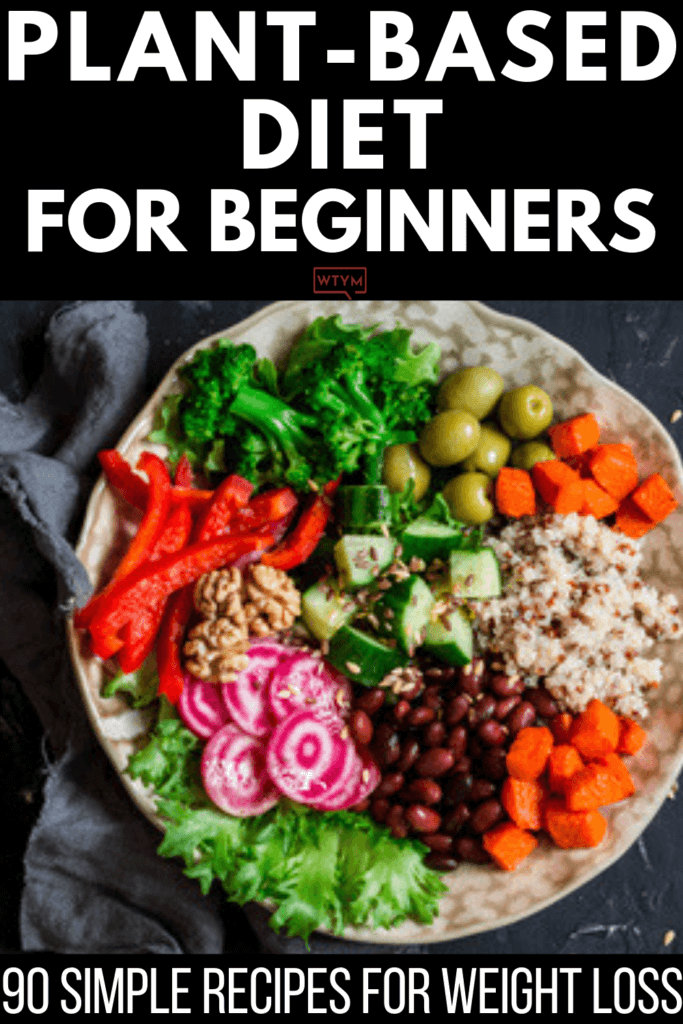
Plant-based diets and cultural identity are two topics that have been gaining increasing attention in recent years. People are becoming more conscious of the impact their food choices have on both their health and the environment, while also acknowledging the role food plays in preserving cultural heritage. In this post, we’ll explore how plant-based diets can intersect with cultural identity, and why it’s important to consider these intersections when making dietary choices.
Plant-based Diets: An Overview
Before diving into how plant-based diets relate to cultural identity, let’s first define what a plant-based diet is. A plant-based diet is one that emphasizes foods derived from plants such as fruits, vegetables, whole grains, legumes, nuts and seeds while minimizing or excluding animal products such as meat, dairy and eggs. There are different variations of plant-based diets including veganism which excludes all animal products completely; vegetarianism which excludes meat but may include dairy or eggs; flexitarianism where people eat mostly a plant based diet but occasionally consume small amounts of animal products.
The Benefits of Plant-Based Diets
There are several benefits associated with adopting a more plant-focused diet. Research shows that consuming more fruits and vegetables can reduce the risk of chronic diseases such as heart disease, diabetes and cancer due to their high nutrient density including vitamins C,E,K,A,B6 among others. Additionally most plants contain fiber that promotes good digestion leading to healthy weight management since they keep you full longer than processed foods.
Environmental sustainability has also become an important consideration for many individuals who choose a plant based lifestyle because producing animal protein involves higher carbon emissions compared to producing crops like vegetables or grains.
Cultural Identity: An Overview
Cultural identity refers to the shared beliefs, customs practices within a group based on ethnic background language religion etc. Food is an integral part of culture as it carries history traditions stories and memories often passed down through generations so much so it becomes part of peoples’ prideful identities.
How Plant-Based Diets Can Intersect with Cultural Identity
It’s important to acknowledge that food is not just a source of fuel but also an expression of cultural identity. Many cuisines have strong roots in animal products and so it can be difficult for people who identify with these cuisines to imagine giving up certain traditional foods. Eating plant-based doesn’t mean abandoning one’s heritage or cultural practices, rather it means finding creative ways to incorporate plant-based ingredients into traditional recipes while still maintaining the flavors and textures that make those dishes unique.
For instance, instead of meat, vegetables like mushrooms or lentils can be used as protein sources in stews or sauces and tofu can replace eggs in baking recipes. These substitutions are not only healthy but they respect tradition since most cultures historically have relied on plants for sustenance.
However It’s important to note that dietary choices are personal and what works for one person may not work for others due to individual taste preferences budget availability etc. Therefore any specific dietary choices should be made after consulting a qualified healthcare professional like a dietitian who will help tailor recommendations based on individual needs.
Why Understanding the Intersection Between Plant-Based Diets and Cultural Identity Matters
Incorporating plant based diets into culture helps preserve tradition while promoting health consciousness and environmental sustainability which are factors that matter globally today. When individuals from different ethnic backgrounds adopt more vegetable rich meals this fosters mutual appreciation leading towards positive social change within communities by reducing our carbon footprint creating less pollution supporting local farming economy among many other benefits encouraging education about healthy eating habits teaching culinary skills preserving biodiversity etc.
In conclusion, adopting a plant-based diet does not necessarily mean abandoning cultural traditions; rather it provides an opportunity to reimagine traditional recipes while incorporating healthier ingredients such as fruits veggies whole grains nuts seeds legumes etc., leading towards better overall health outcomes both personally and environmentally..

Leave a Reply