Free Radicals and Their Impact on Our Health
Maintaining good health is a top priority for most people, and this often involves adopting healthier diets rich in fruits, vegetables, whole grains, and other nutritious foods. One of the key components of healthy eating is the avoidance or reduction of free radicals.
What are Free Radicals?
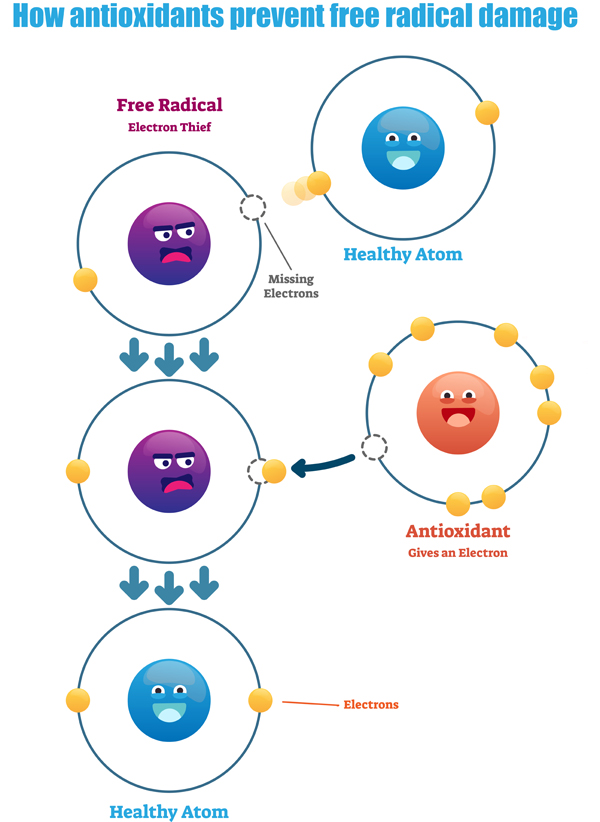
Free radicals are unstable molecules that have one or more unpaired electrons. These atoms are highly reactive and can cause damage to cells by stealing electrons from other molecules such as DNA, proteins, lipids, and carbohydrates. This process leads to oxidation within cells which can lead to various diseases over time.
Although free radicals occur naturally within our bodies during metabolic processes such as digestion or energy production; they also come from external sources like environmental pollutants (such as air pollution), cigarette smoke, alcohol consumption or exposure to UV radiation from the sun.
How Do Free Radicals Affect Your Body?
When we consume food high in sugar or fat content without sufficient antioxidants intake (antioxidants fight against free radical damage), it creates an excess amount of free radicals that may harm our body’s cells leading to oxidative stress. Oxidative stress refers to a state where there is an imbalance between antioxidants’ defense mechanisms and free radical production which causes inflammation at the cellular level leading to chronic disease progression over time.
Some common diseases associated with oxidative stress include cancer (due to changes in DNA structure), heart disease (due to lipid peroxidation), Alzheimer’s disease (amyloid beta protein accumulation) among others.
Antioxidants: The Key Players
Fortunately, there are ways we can counteract these harmful effects by increasing our antioxidant intake through dietary means or supplementation. Antioxidants help neutralize these damaging particles by donating their own electrons without becoming unstable themselves – thus breaking the cycle of oxidation.
Some popular dietary sources of antioxidants include:
– Fruits: berries especially blueberries & raspberries
– Vegetables: beets, spinach, kale
– Nuts: walnuts, almonds
– Spices: turmeric, cinnamon
– Beverages: green tea
Supplements containing antioxidants such as vitamins C and E or beta-carotene may also help reduce the risk of oxidative stress. However, there is no evidence that taking antioxidant supplements alone provides the same benefits as a diet rich in fruits and vegetables.
Free Radicals and Aging
As we age, our bodies naturally produce more free radicals than when we were younger due to changes in metabolism over time. This process contributes to cell damage and aging processes such as wrinkles on the skin or reduced cognitive function due to brain cells breaking down faster.
Although there are no guaranteed ways to stop aging completely; by consuming an adequate amount of antioxidants daily through a balanced diet can slow down this process while providing us with essential nutrients needed for overall health.
Final Thoughts
A healthy lifestyle involves adopting good habits like regular exercise routine & proper nutrition practices – including avoiding foods high in sugar/saturated fats that create excess free radicals within our body. Incorporating antioxidant-rich foods into your daily routine will help maintain good health while reducing risks associated with chronic diseases linked to oxidative stress.
In conclusion, Free radicals are unstable molecules that cause damage at a cellular level leading to inflammation & chronic disease progression over time. Antioxidants are crucial in neutralizing these particles before they cause harm by donating their own electrons without becoming unstable themselves. By consuming an adequate amount of dietary antioxidants regularly through fruits/vegetables/nuts/spices/beverages & supplementation if necessary – you can maintain optimal health throughout your lifetime!

Leave a Reply