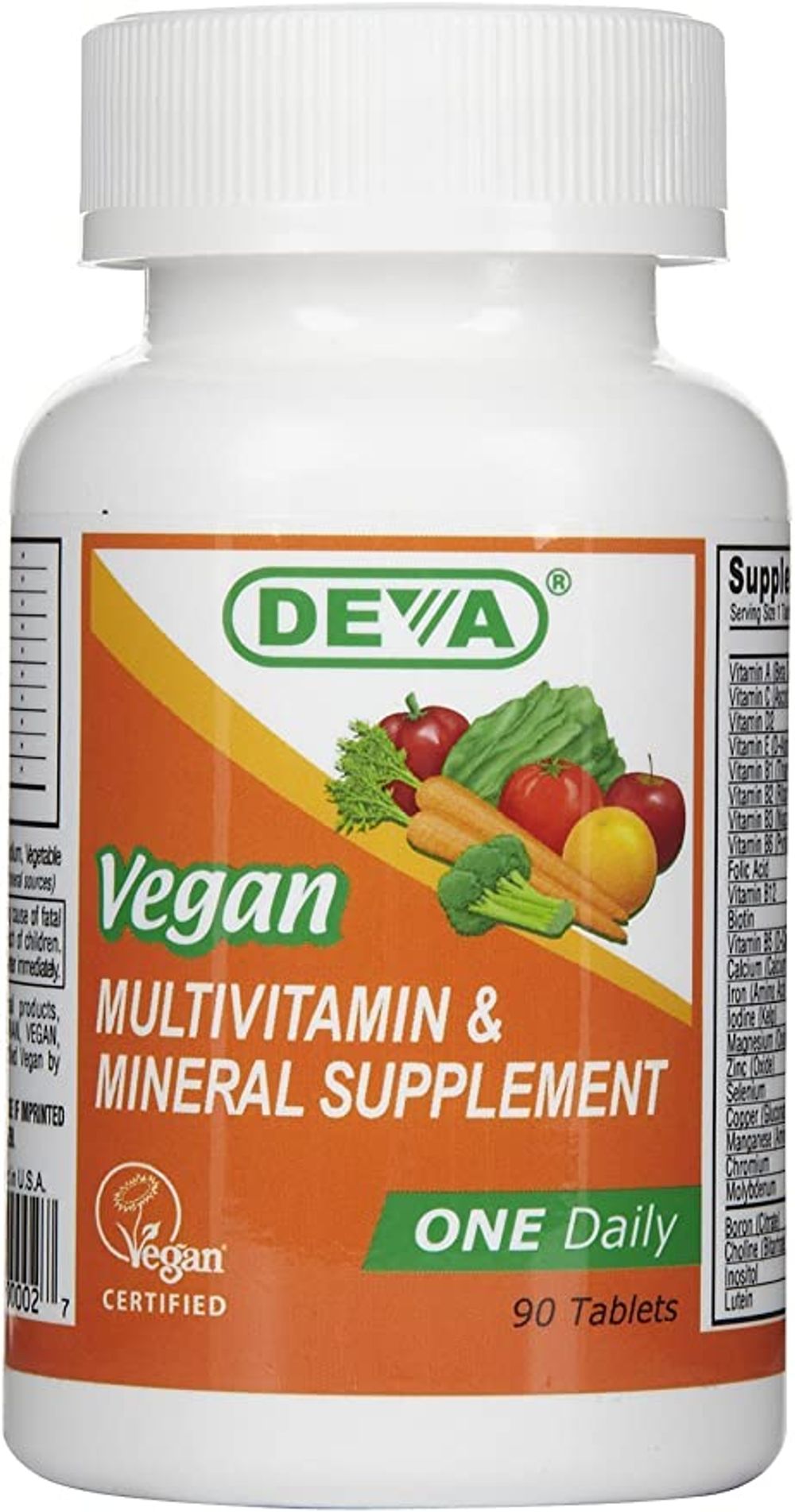
Nutritional Supplements for Vegans: A Comprehensive Guide
Veganism is a dietary lifestyle choice that involves the complete avoidance of animal products. While this way of eating can be incredibly beneficial for health, it’s important to ensure you’re getting all the necessary nutrients your body needs to thrive. This is where nutritional supplements come in – they can help fill any gaps in your diet and ensure optimal health.
In this post, we’ll take a look at some essential vitamins and minerals that vegans may need to supplement with, as well as some top-quality vegan-friendly brands.
Vitamin B12
One nutrient that vegans should pay particular attention to is Vitamin B12. Unlike other vitamins which are readily available in plant-based foods, vitamin B12 is found almost exclusively in animal products. This vitamin plays an important role in maintaining healthy nerve cells and DNA production. Deficiency can lead to fatigue, weakness, and anemia.
While fortified cereals and plant milks can provide small amounts of vitamin B12, it’s recommended that vegans take a daily supplement containing 25-100 mcg per day. The best form of supplementation would be methylcobalamin or adenosylcobalamin forms rather than cyanocobalamin form – which is widely used but not very effective since the liver has difficulty converting it into usable forms.
Iron
Iron deficiency anemia is common among women who follow strict vegetarian diets due to menstruation-related blood loss; however men also need iron too! Iron helps transport oxygen throughout the body and without enough iron levels you may feel fatigued and weak.
Plant-based sources of iron include beans, lentils, dark leafy greens like spinach or kale; however these non-heme sources are not absorbed by our bodies as efficiently as heme (animal) iron sources so vegetarians might have higher requirements than meat-eaters.. To optimize absorption from plant foods try consuming them with vitamin-C-rich foods like citrus, strawberries or peppers. A supplement of 18 mg per day should be sufficient for adult women and men.
Calcium
Calcium is essential for building strong bones and teeth. While dairy products are a traditional source of calcium, there are many plant-based options that can provide this mineral too. Good sources include kale, bok choy, collard greens as well as tofu made with calcium sulfate.
It’s recommended that adults get around 1000-1200mg of calcium daily but vegans may not always reach this target through food alone. Calcium supplements derived from algae (such as Lithothamnion calcareum) are a good choice since they contain trace minerals like magnesium and boron which further enhance bone health. However it’s important to note that taking high doses of calcium supplements can increase the risk of kidney stones so it’s best to stay within the recommended limits!
Vitamin D
Vitamin D plays a key role in maintaining bone health by aiding in the absorption of calcium from our diet; however few foods naturally contain it – oily fish being one exception. Our skin synthesizes Vitamin D when exposed to sunlight but if you live in an area with limited sunshine or wear sunscreen regularly, you might need to supplement your intake.
The Recommended Daily Allowance (RDA) for Vitamin D is around 600-800 IU per day; however higher doses up to 4000 IU/day may be needed for some individuals especially during winter months or those who avoid sun exposure altogether.. Look for vegan vitamin-D3 supplements sourced from lichen instead of sheep wool lanolin which is commonly used in non-vegan formulations.
Omega-3 Fatty Acids
Omega-3 fatty acids play an important role in brain function and heart health; however they’re not found abundantly in vegan diets outside flaxseeds or chia seeds! The long-chain versions EPA and DHA are found mainly in fatty fish like salmon or mackerel but can also be obtained from algae-based supplements.
Aim to consume around 250-500 mg of combined EPA/DHA daily. Algal oil supplements are the best option for vegans since they’re derived directly from microalgae rather than fish oils which often contain heavy metals and other contaminants.
Protein
While it is possible for vegans to obtain enough protein through a well-planned diet, some individuals (especially athletes or bodybuilders) may require extra supplementation. Vegan protein powders made from soy, pea, hemp or rice proteins can help increase your intake without consuming too many calories.
It’s recommended that adults aim for around 0.8 grams of protein per kilogram of body weight daily; however higher intakes up to 1.2 g/kg/day have been shown to benefit muscle growth and recovery after exercise. Look for vegan protein powders that provide at least 20g of protein per serving with minimal added sugars and artificial ingredients.
In conclusion:
Vegans should pay close attention to their nutrient intake and supplement as needed especially if you follow a strict plant-based diet! Vitamin B12, Iron, Calcium, Vitamin D Omega-3 Fatty Acids and Protein are key nutrients that one might want to focus on when choosing dietary supplements. When buying supplements look at reputable brands that use high-quality ingredients sourced sustainably while meeting all our nutritional needs!

Leave a Reply