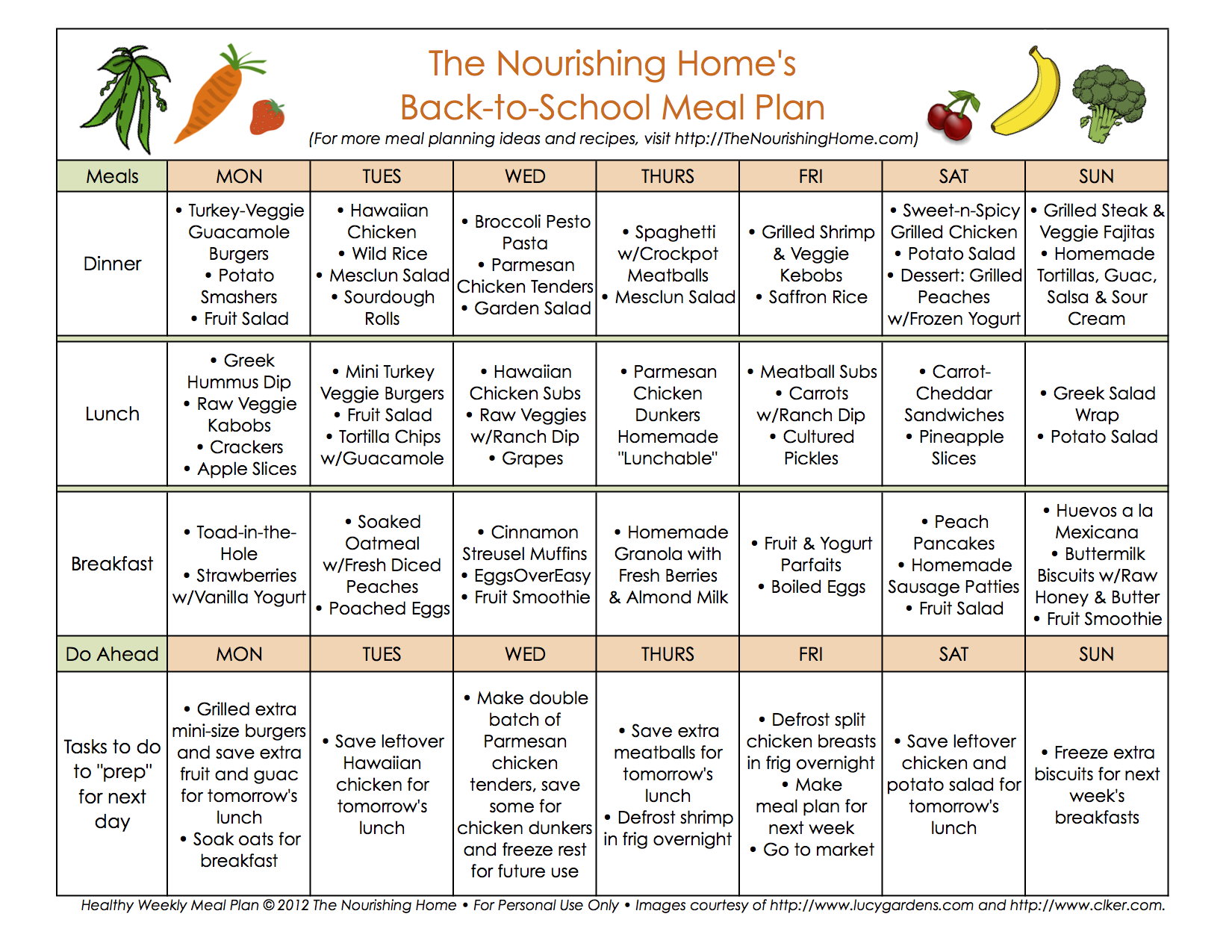
Meal Planning Tips
Eating healthy is essential for good health, and meal planning is one of the most effective ways to ensure you eat nutritious foods regularly. Meal planning can help you save time and money, reduce food waste, and make healthier choices. However, it can be overwhelming if you don’t know where to start or how to do it effectively. Here are some meal planning tips that will help you plan your meals like a pro.
1. Set Goals: Before starting your meal planning journey, set achievable goals for what you want to achieve with your diet. Do you want to lose weight? Gain muscle? Control diabetes? Setting specific goals will enable you to create a personalized meal plan that works best for achieving these goals.
2. Create a Grocery List: Once you have identified your dietary needs and goals, create a grocery list of all the ingredients required before going shopping. This way, when at the store, there’s no confusion about what items need purchasing.
3. Plan Your Meals in Advance: When planning meals for the week or month ahead of time using recipes online or cookbooks can provide inspiration while ensuring variety in taste buds.
4. Focus On Nutrient-Dense Foods: Incorporate nutrient-dense foods into each meal plan such as fruits and vegetables rich in vitamins & minerals; lean proteins like chicken breast or fish high in omega-3 fatty acids; whole grains including brown rice instead of white rice which has more complex carbohydrates than refined grains.
5. Use Leftovers Creatively: Turn leftovers into delicious new dishes by adding different seasonings or sauces – this saves money on groceries while also reducing food waste!
6. Batch Cooking Is Key: Cook up large batches of staple foods like quinoa, lentils or beans on weekends so they’re ready during busy weekdays – this cuts down on prep time during the week making eating healthy much easier!
7. Invest In Good Food Storage Containers: Investing in good food storage containers is an essential part of meal planning. They come in different sizes and shapes, making it easier to portion out meals for each day.
8. Plan For Snacks: Include healthy snacks like fruits, veggies, or nuts into your meal plan – this helps keep blood sugar levels stable throughout the day while also preventing overeating at mealtimes.
9. Be Flexible: Meal planning doesn’t have to be rigid; make room for flexibility and spontaneity by switching up recipes or swapping out ingredients based on what’s available in the pantry or fridge.
10. Don’t Forget About Hydration: Drinking enough water throughout the day is crucial for overall health and well-being. Add some sliced fruit or herbs such as mint leaves to a pitcher of water for added flavor and hydration!
11. Keep it Simple: Meal planning can be overwhelming when you try to create complicated dishes with numerous ingredients that require hours of preparation time. Instead, stick to simple meals with fewer ingredients that are easy to prepare but still nutritious.
12. Review Your Results Frequently: Regularly review your progress against goals set earlier such as weight loss goals – this will help identify areas where improvements need attention while keeping motivation high!
In conclusion, meal planning can seem daunting at first, but once you get started, it becomes second nature! Use these tips above as a guide toward creating a personalized meal plan that suits both dietary needs and lifestyle choices perfectly! Remember always prioritize nutrient-dense foods while being flexible enough to enjoy new dishes which keep things exciting in the kitchen!

Leave a Reply