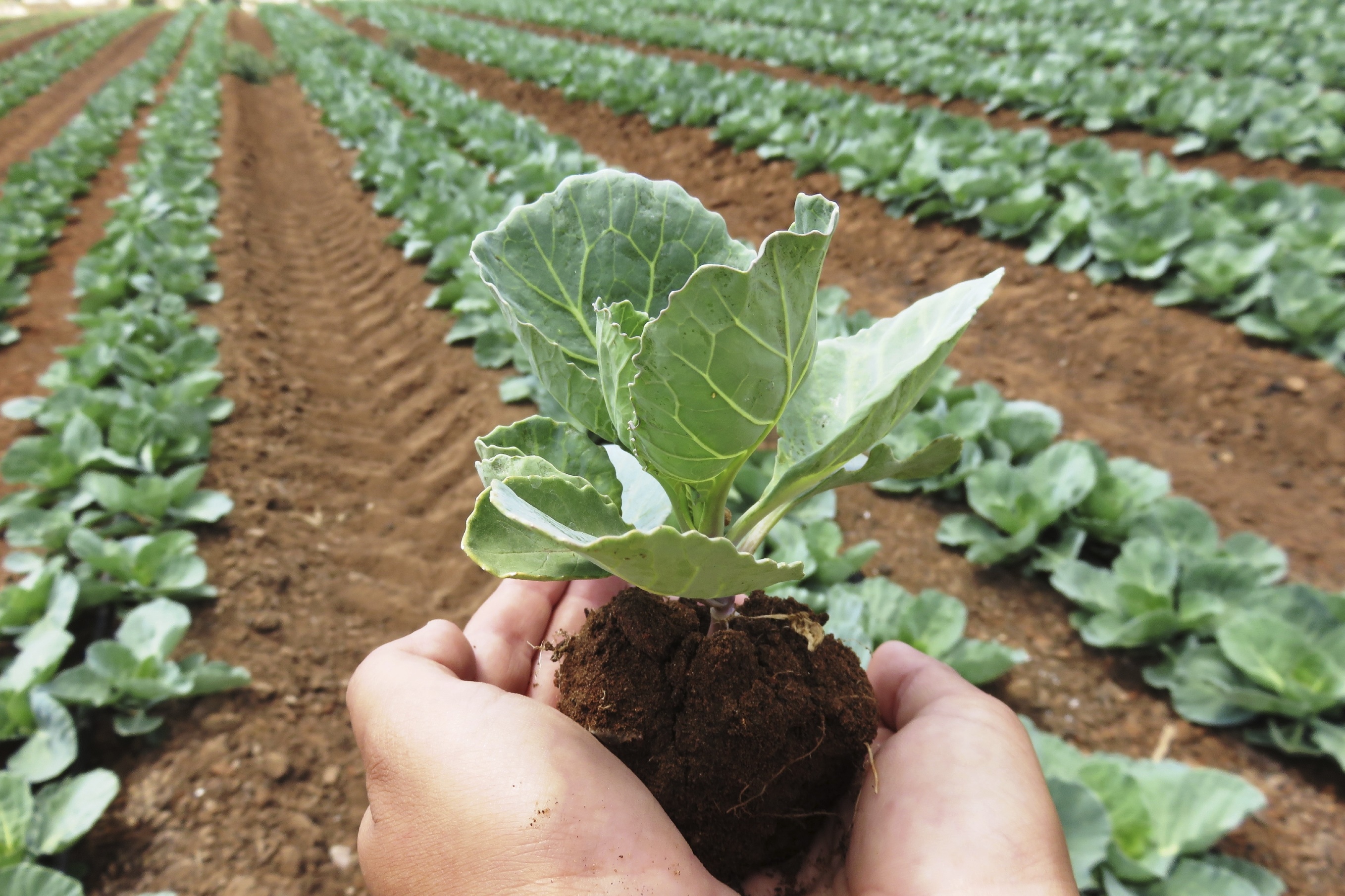
Organic farming is a sustainable and environmentally friendly method of producing food that has become increasingly popular in recent years. It involves avoiding the use of synthetic pesticides, fertilizers and genetically modified organisms (GMOs) while prioritizing soil health, crop rotation, biodiversity and animal welfare. Organic farming also promotes healthier eating habits by reducing exposure to harmful chemicals and preserving the nutritional value of fruits, vegetables and animal products.
Here are ten organic farming practices that can help improve food quality, protect the environment and support sustainable agriculture:
1. Crop Rotation: Crop rotation is a simple yet effective technique that helps maintain soil fertility by alternating crops on the same land year after year. By changing crops each season or every few seasons, farmers can avoid depleting nutrients from the soil while preventing pests and diseases from building up over time.
2. Composting: Composting is an excellent way to recycle organic waste materials such as leaves, grass clippings and food scraps into nutrient-rich compost for plants. This practice not only reduces waste but also improves soil structure by promoting microbial activity in the soil.
3. Cover Crops: Cover crops refer to any plant species grown primarily for their benefits to soil health rather than their marketable yield. They help reduce erosion, suppress weeds, fix nitrogen levels in soils naturally without relying on chemical fertilizer inputs.
4. Integrated Pest Management (IPM): IPM refers to a holistic approach to pest management that combines various techniques including beneficial insects release, natural predators introduction with habitat manipulation among others to minimize damage caused by pests while minimizing risks associated with pesticide applications.
5. Conservation Tillage: Conservation tillage is another innovative practice used in organic farming which refers to leaving crop residues on fields after harvest instead of plowing them under or burning them off immediately afterward which can cause significant erosion problems leading to loss of topsoil productivity.
6.Mulching- Mulching means covering bare ground around plants with straw, leaves or other organic materials to help retain moisture in the soil, prevent erosion and suppress weeds.
7. Crop Diversity: Growing different crops on a single farm is another way to promote biodiversity and reduce disease pressure. By rotating between different types of plants, farmers can reduce the likelihood that pests or diseases will become established in any one crop.
8. Animal Welfare: Organic farming also emphasizes animal welfare by promoting pasture-based grazing systems, providing access to clean water and shelter for animals, avoiding antibiotics use unless needed for medical treatment as well as humane slaughter practices.
9. Water Conservation: Organic farming techniques include the use of drip irrigation systems that deliver water directly to plant roots instead of spraying it over large areas which reduces water wastage leading to efficient use of scarce resources such as water which is increasingly becoming scarce.
10. Non-GMO seeds- Another important aspect of organic farming is using non-genetically modified organism (GMO) seeds that have not been engineered with synthetic chemicals or genetically manipulated in laboratories but rather developed through traditional breeding methods over generations by cross-pollinating plants naturally without any interference from humans.
In conclusion, adopting these ten organic farming practices has numerous benefits including increased soil fertility, reduced pesticide exposure for consumers and farmers alike along with minimized environmental impact due to sustainable agriculture practices being implemented thereby ensuring food quality safety while supporting more responsible land stewardship making it an ideal option for those who prioritize healthy eating habits and care about their health as well as environment conservation efforts.

Leave a Reply