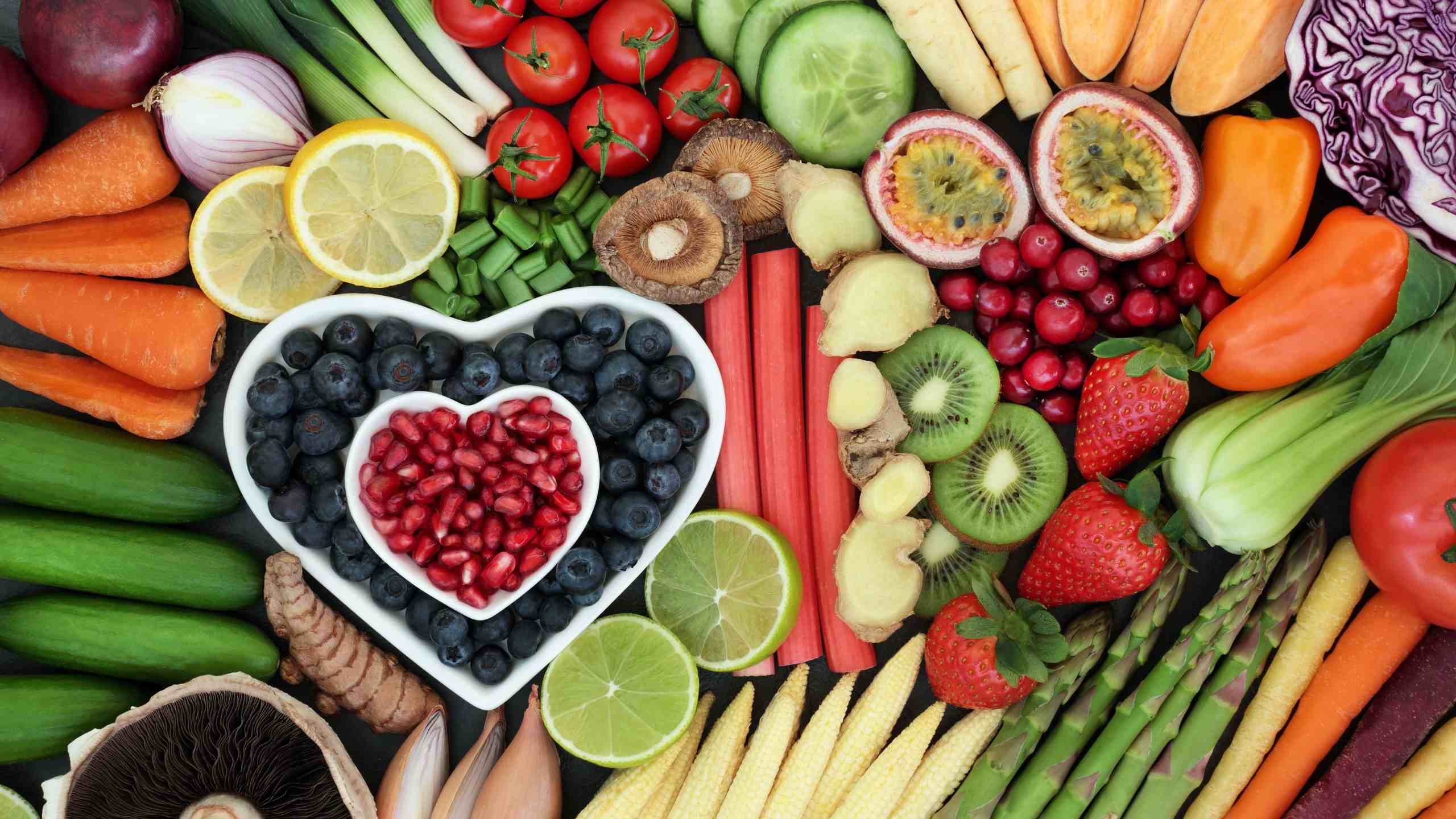
Healthy Eating Guide: Best Foods to Eat for Optimal Health
Eating a healthy diet is one of the most important things you can do for your overall health and well-being. The food we eat provides our bodies with essential nutrients, vitamins, and minerals that help keep us healthy and functioning at our best. However, with so many different foods available to choose from, it can be challenging to know which ones are truly beneficial.
In this article, we will look at some of the best foods you can eat for optimal health. These foods have been shown to provide numerous health benefits and should be included in your daily diet.
1. Leafy Greens
Leafy greens such as spinach, kale, and collard greens are packed with nutrients that are essential for good health. They contain high levels of vitamins A, C, K, folate, calcium, iron and fiber.
Studies have shown that eating leafy greens regularly can reduce the risk of heart disease and stroke due to their anti-inflammatory properties. They also aid digestion by promoting the growth of good gut bacteria which helps prevent digestive issues such as constipation.
2. Berries
Berries such as blueberries, strawberries raspberries are not only delicious but also extremely nutritious. They contain high levels of antioxidants which protect cells from damage caused by free radicals in the body.
Studies have shown that consuming berries regularly may help improve brain function due to their high levels of flavonoids – a type of antioxidant known for its cognitive benefits.
3. Nuts
Nuts such as almonds walnuts cashews peanuts and pistachios are great sources of protein healthy fats fiber vitamins minerals antioxidants phytochemicals phytosterols lignans arginine selenium magnesium zinc copper potassium phosphorus vitamin E vitamin B6 folate niacin thiamin riboflavin pantothenic acid biotin choline betaine carotenoids omega-3 fatty acids plant sterols and fiber.
Studies have shown that consuming nuts regularly can help lower cholesterol levels, reduce the risk of heart disease and stroke, aid weight loss and decrease inflammation in the body.
4. Whole Grains
Whole grains such as brown rice quinoa oatmeal bulgur wheat barley farro buckwheat millet sorghum are an excellent source of fiber, vitamins B and E minerals protein antioxidants lignans phytic acid saponins beta-glucan ferulic acid and phytochemicals.
Studies have shown that eating whole grains regularly can help reduce the risk of heart disease diabetes cancer and obesity due to their high levels of fiber which promotes satiety helps regulate blood sugar levels lowers cholesterol levels and aids digestion.
5. Fish
Fish such as salmon tuna mackerel herring sardines trout anchovies are rich in omega-3 fatty acids EPA DHA vitamin D selenium iodine zinc magnesium phosphorus potassium iron calcium copper choline protein antioxidants polyphenols astaxanthin taurine betaine glycogen creatine carnitine alanine tyrosine glutamine histidine arginine proline serine threonine methionine cysteine lysine phenylalanine tryptophan vitamin A vitamin B6 niacin riboflavin pantothenic acid folate vitamin B12 vitamin K1 (phylloquinone) vitamin K2 (menaquinone-7) biotin iodide alpha-lipoic acid coenzyme Q10 heme iron myoglobin collagen elastin keratin carnosine anserene creatinine dimethylglyc ine sarcos ine histamine spermine spermidin e cadaver ine dopamine norepinephrine serotonin melatonin enkephalins endorphins dynorphins etc.
Studies have shown that consuming fish regularly can help improve brain function, reduce inflammation in the body, lower the risk of heart disease, and improve bone health due to their high levels of omega-3 fatty acids.
6. Legumes
Legumes such as beans, lentils, chickpeas, and peas are an excellent source of protein, fiber, vitamins B and E minerals antioxidants flavonoids lignans saponins phytic acid phytosterols phytoestrogens beta-carotene lutein zeaxanthin etc.
Studies have shown that eating legumes regularly can help reduce the risk of heart disease diabetes cancer and obesity due to their high levels of fiber which promotes satiety helps regulate blood sugar levels lowers cholesterol levels and aids digestion.
7. Fermented Foods
Fermented foods such as yogurt kefir kimchi sauerkraut miso tempeh kombucha etc., contain beneficial bacteria known as probiotics which help promote good gut health by restoring balance to the microbiome. They also aid digestion by breaking down food more efficiently in the gut.
Studies have shown that consuming fermented foods regularly can help boost immunity, lower inflammation in the body, improve mental health and reduce the risk of chronic diseases such as type 2 diabetes and heart disease.
Conclusion:
Eating a healthy diet is essential for optimal health. The above list provides some of the best foods you can eat for good nutrition. Incorporating these foods into your daily diet will not only provide you with essential nutrients but also protect against chronic illnesses while improving overall wellbeing. It’s important to remember that a balanced diet consisting of whole foods is key to achieving optimal health!

Leave a Reply