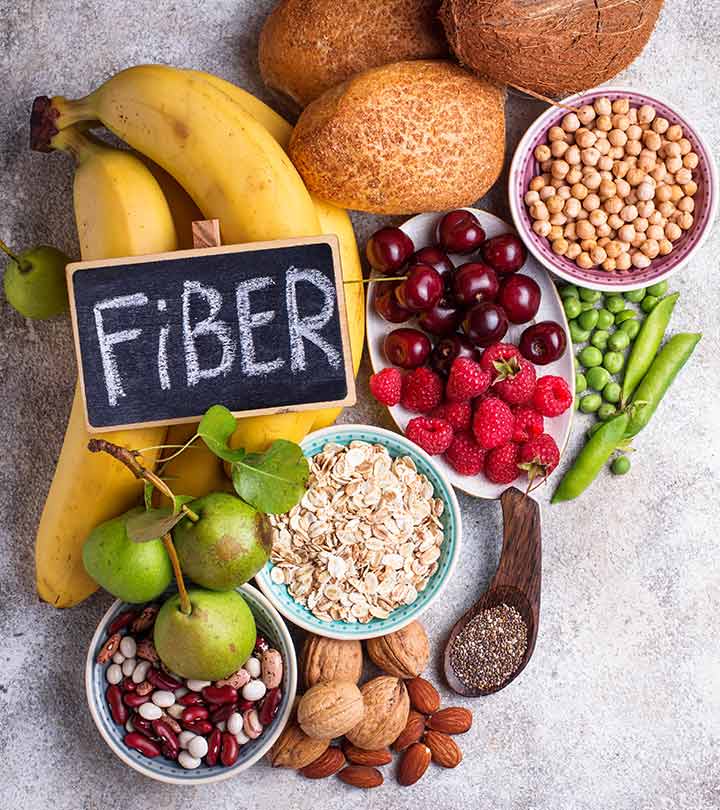
Fiber is an essential nutrient that is often overlooked in our diet. It plays a crucial role in keeping us healthy and preventing chronic diseases such as heart disease, diabetes, and cancer. Unlike other nutrients, fiber cannot be digested by the human body but instead passes through it almost intact.
There are two types of fiber: soluble and insoluble. Soluble fiber dissolves in water to form a gel-like substance that helps lower blood cholesterol levels and regulate blood sugar levels. Insoluble fiber does not dissolve in water but adds bulk to the stool, which aids digestion and prevents constipation.
Foods high in soluble fiber include oats, beans, lentils, peas, fruits such as apples and strawberries, vegetables such as sweet potatoes and broccoli. Foods high in insoluble fiber include whole grains like brown rice and quinoa, bran cereal products like wheat bran or oat bran.
The recommended daily intake of dietary fiber for adults is 25-30 grams per day for women and 38 grams per day for men. Unfortunately, most people do not consume enough fiber-rich foods each day to reach this goal.
One way to increase your daily intake of dietary fiber is by consuming more whole grain products like bread or pasta made from whole wheat flour rather than white flour products. Whole grains also contain vitamins B1 (thiamine) & B2 (riboflavin), minerals iron & zinc compared to refined grains.
Another way to add more dietary fibers into your diet is to eat plenty of fruits & vegetables every day – aim for at least five servings total each day if possible! They provide plenty of vitamins C & A plus potassium with their natural sugars making them good choices too!
If you’re looking for an easy way to get more dietary fibers from your meals without having much prep time or cooking involved then try adding some chia seeds or flaxseeds into smoothies recipes or sprinkle them over yogurt bowls topped with fresh fruit.
It is also important to note that consuming too much fiber can cause digestive discomfort such as gas, bloating and diarrhea. It is best to gradually increase your intake of dietary fiber and drink plenty of water throughout the day to help it pass through the body more easily.
In conclusion, adding more high-fiber foods into your diet can offer numerous health benefits. Fiber helps regulate blood sugar levels, lowers cholesterol levels, promotes regularity in bowel movements and aids weight loss by helping you feel fuller for longer periods. With a little effort and planning, anyone can enjoy the health benefits of a high-fiber diet!

Leave a Reply