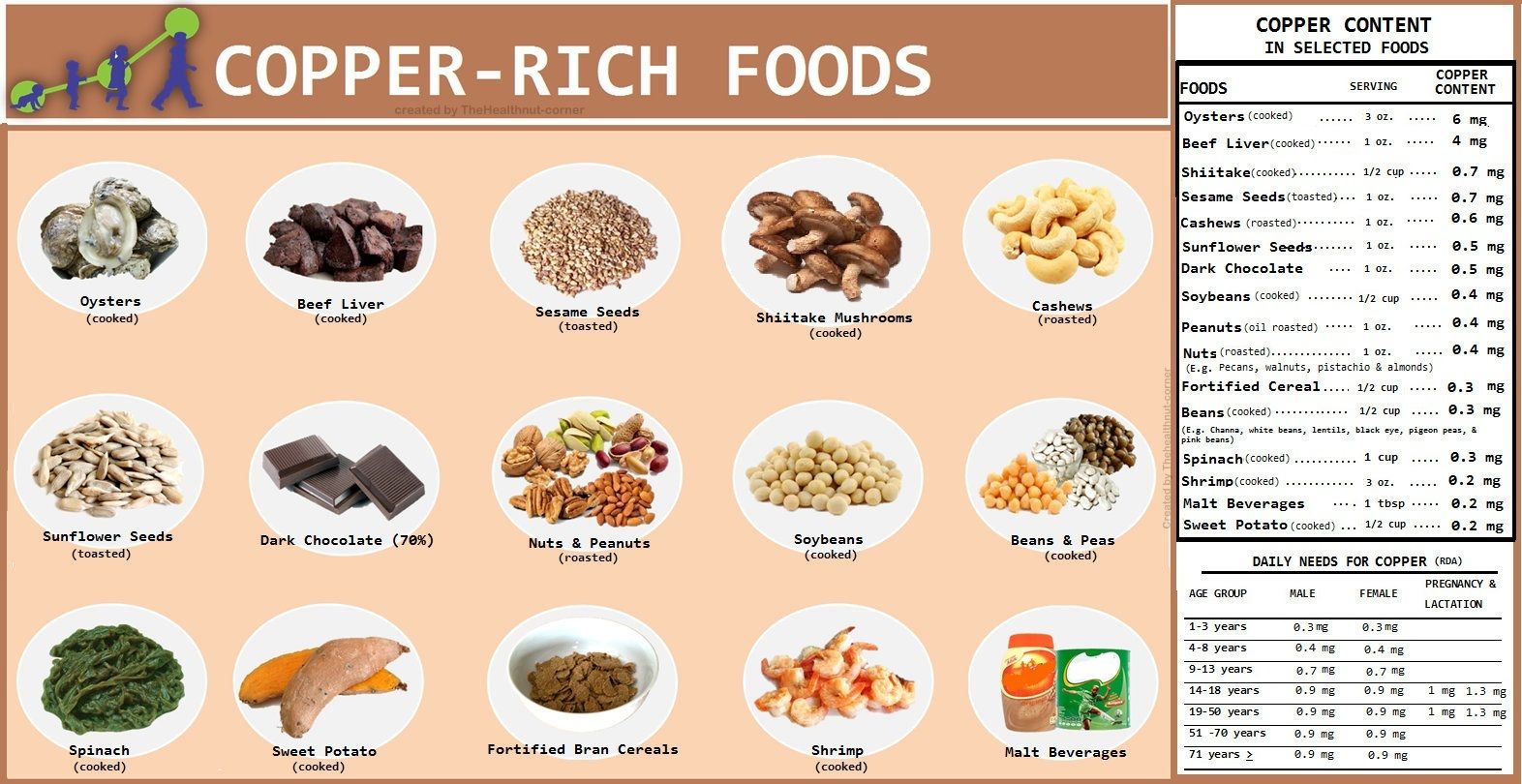
Copper is a trace mineral that plays an important role in the human body. It helps to maintain the health of various tissues, including bones, blood vessels, and nerves. Copper also supports the immune system and contributes to energy production.
The human body does not produce copper on its own; it must be obtained through dietary sources or supplements. Good sources of dietary copper include seafood, nuts and seeds, organ meats like liver, and dark leafy greens like spinach.
Copper deficiency is rare but can occur in people who have certain genetic disorders or who consume diets that are very low in copper. Symptoms of copper deficiency can include anemia, osteoporosis, and nerve damage.
On the other hand, consuming too much copper can also lead to health problems. Ingesting excessive amounts of copper over time can cause liver damage and neurological symptoms like tremors or seizures.
Despite potential risks associated with high levels of exposure to copper compounds (e.g., from pipes), most people do not need to worry about getting too much from their diet alone.
There are several benefits associated with consuming adequate amounts of dietary copper. One such benefit is that it supports healthy brain function by helping neurons communicate effectively with one another. This may help reduce the risk of developing neurodegenerative diseases like Alzheimer’s disease later in life.
Another benefit is that it helps support healthy skin by promoting collagen formation – a protein responsible for maintaining skin elasticity and structure – as well as keratinization -the process where cells harden into nails or hair- .
Furthermore Copper provides antioxidant protection against harmful free radicals that could potentially increase your risk for chronic diseases such as heart disease or cancer
Overall, while some risks come along with consumption of both too little or too much Copper it still remains an essential nutrient vital for maintaining optimal health levels within our bodies .

Leave a Reply