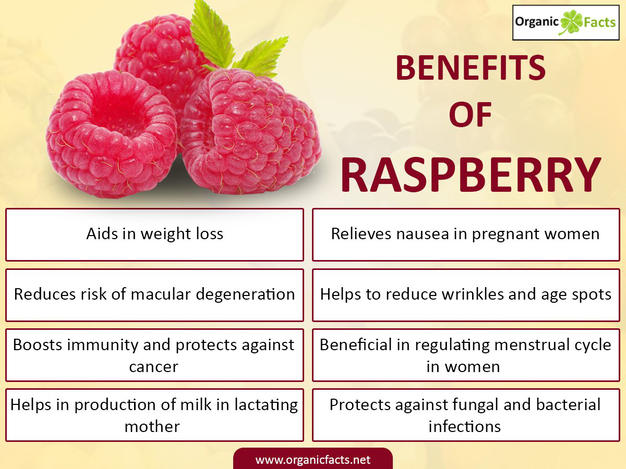
Raspberries are a delicious fruit that is packed with nutrients and health benefits. They have a sweet, slightly tangy taste that makes them an excellent addition to smoothies, salads, desserts, or eaten on their own as a snack. In this post, we’ll explore the nutritional facts of raspberries and why they should be part of your healthy eating plan.
One cup (123 grams) of fresh raspberries contains about 64 calories, 1.5 grams of protein, 0.8 grams of fat, and 14.7 grams of carbohydrates (including fiber). They are low in calories and high in fiber content which helps to keep you full for longer periods preventing overeating while also aiding digestion.
Raspberries contain vitamins such as vitamin C, vitamin K, folate (vitamin B9), potassium and minerals like magnesium phosphorus ,and copper among others. Vitamin C is an antioxidant that protects your body against free radicals linked to chronic diseases such as cancer and heart disease. One cup serving provides approximately half your daily requirement for vitamin C.
Vitamin K plays a vital role in blood clotting; it’s essential for bone metabolism & prevents osteoporosis by increasing bone density & reducing fractures risk.Raspberries contain flavonoids compounds called anthocyanins which give them their vibrant red coloration . These compounds have anti-inflammatory properties that help reduce inflammation throughout the body including joints easing pain associated with arthritis.
Raspberries are also rich in antioxidants such as ellagic acid which has been shown to slow down the growth rate of some cancers cells; it does so by binding to DNA molecules thus preventing cell damage by harmful toxins present in our environment.
The phytonutrients found in raspberries can protect the brain from oxidative stress improving cognitive function & delaying age-related mental decline.Another significant benefit is its positive effect on blood sugar levels due to its low glycemic index(40); consuming these berries in moderation can maintain stable blood sugar levels, reducing the risk of developing Type 2 diabetes.
Raspberries are also beneficial for heart health due to their high content of fiber and potassium. Potassium helps regulate blood pressure by counteracting the effects of sodium in our diet, which is a significant cause of hypertension. Additionally, raspberries contain polyphenols that help improve heart function & reduce inflammation. They aid in dilating blood vessels, thus improving circulation throughout your body.
When it comes to weight loss or maintaining healthy body weight; raspberries are an excellent choice due to their low calorie density & high fiber content making you feel full longer while providing essential nutrients like vitamin C and K.
If you’re looking for ways to incorporate more raspberries into your diet, there are plenty of options available! You can add them to smoothies or yoghurt bowls as toppings or enjoy them on their own as a snack. Alternatively, try using them in baked goods such as muffins or cakes for added sweetness with fewer calories than sugar!
In conclusion, Raspberries are a nutrient-dense fruit that has numerous health benefits ranging from improved cognitive function & reduced inflammation to better digestion and heart health. So why not add some fresh raspberries into your daily meal plan? Your body will thank you!

Leave a Reply