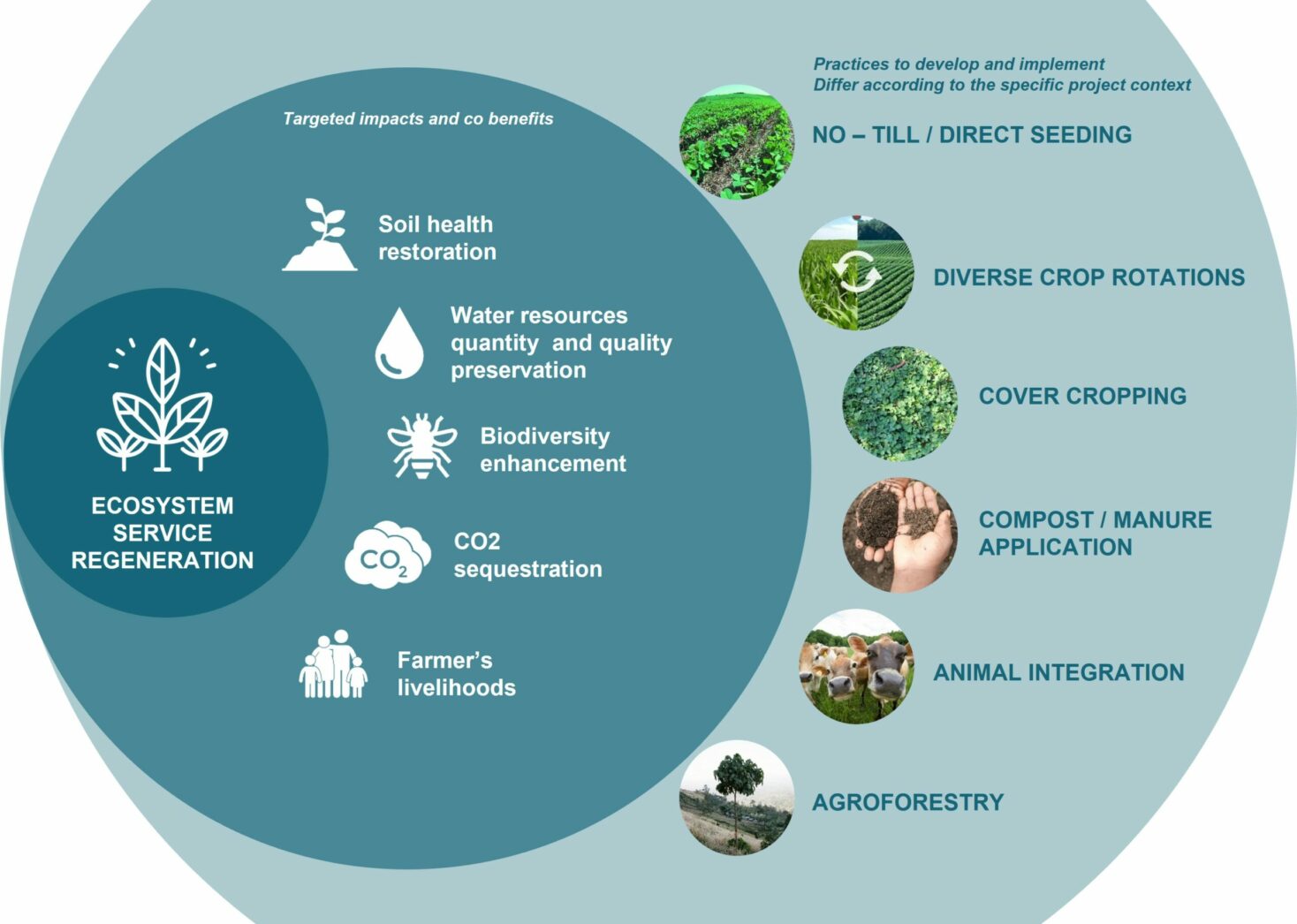
Regenerative agriculture is a system of farming that focuses on restoring soil health, promoting biodiversity, and reducing the use of synthetic inputs. This approach to farming offers numerous benefits for both the environment and human health. Here are ten reasons why regenerative agriculture should be on your radar:
1. Soil Health: Regenerative agriculture practices focus on building healthy soils through organic matter inputs, cover cropping, and reduced tillage. Healthy soil means better nutrient uptake by plants leading to more nutritious food.
2. Biodiversity Promotion: Regenerative agriculture supports the planting of diverse crops and encourages natural habitats such as hedgerows for birds and insects providing habitat for pollinators.
3. Water Conservation: By minimizing tillage practices, improving soil moisture retention capacity with organic matter-rich soils or agroforestry systems, regenerative farmers can reduce water use while maintaining crop yields.
4. Carbon Sequestration: Through various techniques like crop rotation or the addition of composted manure into fields instead of chemical fertilizers, regenerative farmers help mitigate climate change by sequestering carbon in their soils.
5. Reduced Chemical Use: With fewer chemicals used in regenerative farming methods compared to conventional farming practices which require more herbicides/pesticides/fertilizers – there’s less leaching into groundwater sources drinking water supplies.
6. Improved Animal Welfare: Regeneratively-raised animals live healthier lives since they have access to fresh air/outdoors space resulting in improved meat quality while being free from antibiotics/hormones often given in industrial animal farms.
7. Cost Savings for Farmers: Organic matter inputs can save money over time compared to expensive synthetic fertilizer applications that need constant reapplication year-round due to their salt buildup effect over time on soil fertility levels causing further damage if not managed properly; this also helps farmers avoid debt burdens associated with these products’ costs.
8. Food Security & Accessibility: Regenerative agriculture promotes local food production that ensures a reliable food supply chain, giving consumers access to fresh, nutritious foods grown nearby.
9. Community Engagement: Regenerative farming can lead to increased community engagement through events such as community-supported agriculture (CSA) programs and farmer’s markets.
10. Building Resilience: By focusing on soil health and crop diversity, regenerative agriculture is better equipped to handle extreme weather events or disease outbreaks that may affect traditional farming methods.
In conclusion, regenerative agriculture offers numerous benefits for both the environment and human health. From promoting biodiversity to reducing chemical use, this style of farming can help build healthier communities while supporting local farmers and economies in transitioning towards more sustainable agricultural practices.

Leave a Reply