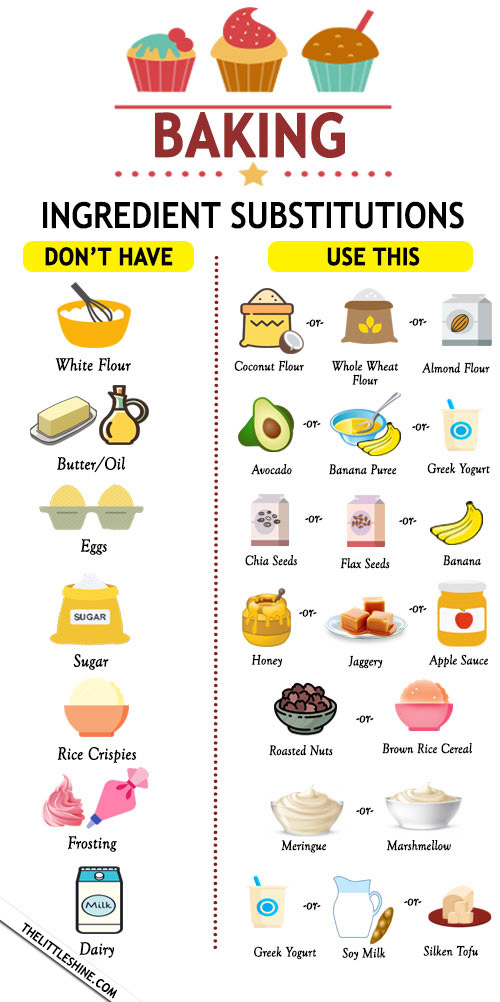
Maintaining a healthy diet can be challenging, especially when we are surrounded by tempting high-calorie food options. However, making small but significant changes in our diet can make a big difference in our overall health and well-being.
In this post, we’ll explore several healthy substitutions that you can make to your daily meals to help you maintain a balanced and nutritious diet without sacrificing taste or satisfaction.
1. Substitutes for high-calorie condiments
Condiments such as ketchup, mayonnaise, barbecue sauce, and ranch dressing can add up to hundreds of calories per meal. Instead of using these high-calorie condiments, opt for healthier alternatives such as salsa, mustard, hummus or Greek yogurt-based dips.
2. Healthier alternatives to processed snacks
Processed snack foods like potato chips and candy bars are often loaded with unhealthy ingredients such as saturated fats and added sugars. Swap out these snacks for healthier options like fresh fruit or vegetables with low-fat dip, unsalted nuts or seeds, air-popped popcorn or whole-grain crackers with nut butter.
3. Low-fat dairy substitutes
Dairy products are an excellent source of calcium and protein but also contain saturated fat which is not good for the heart in large amounts. Try choosing low-fat dairy substitutes like skim milk instead of whole milk; plain yoghurt instead of flavoured ones; cottage cheese instead of cream cheese; hard cheeses made from part-skim milk rather than full-fat varieties.
4. Whole grain swaps for refined grains
Refined grains (white breads and pasta) have been stripped off their fibre content which makes it easier for them to be digested quickly thus spiking your blood sugar levels leading to cravings later on while increasing the risk of developing type 2 diabetes over time if consumed regularly.
Instead choose whole grain varieties like brown rice or quinoa rather than white rice; whole wheat pasta instead of regular pasta; oatmeal instead of sugary cereals.
5. Sugar substitutes in baking recipes
Sugar is a common ingredient in many baked goods, but it can lead to weight gain and other health issues if consumed in excess. Instead of using refined sugar, try using natural sweeteners like honey, maple syrup or stevia which are lower in calories and do not spike blood glucose levels as much.
6. Healthy oils to use in cooking and baking
Cooking with healthy oils such as olive oil or coconut oil instead of butter or lard can reduce your intake of saturated fats thus reducing the risk for heart disease.
7. Plant-based protein sources as meat substitutes
Meat is an excellent source of protein but also contains saturated fat which isn’t good for the heart when consumed excessively.
Plant-based proteins like beans, lentils, tofu and tempeh are great alternatives that provide all the essential amino acids needed by the body minus the harmful saturated fats found in meat products.
8. Nutritious alternatives to white rice and pasta
Switching out white rice with more nutrient-dense options like brown rice or quinoa can help boost your daily fiber intake while replacing regular pasta with whole-grain varieties will provide you with added nutrients such as vitamins B and E plus minerals such as magnesium.
9. Low-sodium seasoning options
High sodium intake has been linked to high blood pressure which increases the risk for heart disease over time.
Low-sodium seasonings like herbs (basil, thyme) , spices (cinnamon, turmeric), lemon juice or vinegar give food flavor without adding extra salt.
10. Natural sweeteners for coffee and tea
Instead of using artificial sweeteners that may contain unhealthy chemicals try switching them out for natural sweeteners like honey or maple syrup; these add sweetness without any harmful side effects associated with artificial sugars
11. Healthy toppings for salads and sandwiches
Toppings such as cheese crumbles, bacon bits, and creamy dressings can add extra calories and saturated fat to your meals. Try healthier options like sliced avocado, nuts or seeds for added texture and flavour.
12. Gluten-free substitutes for wheat products
For those who are sensitive to gluten or have celiac disease, there are plenty of gluten-free alternatives available such as quinoa, brown rice, buckwheat flour or almond flour that can be used in place of wheat-based products.
13. Lower calorie alternatives to alcoholic beverages
Alcoholic drinks contain significant amounts of empty calories which can sabotage your diet goals.
Instead try lower-calorie options like light beer or wine spritzers; these still provide some alcohol content but with fewer calories per serving.
14. Non-dairy milk options for lactose intolerance or vegan diets
For individuals with lactose intolerance or following a vegan lifestyle, non-dairy milk substitutes like soy milk, almond milk and coconut milk offer a variety of essential vitamins and minerals without containing animal-derived ingredients.
15. Leaner cuts of meat as protein sources
Choosing leaner cuts of meat such as skinless chicken breast instead of fattier cuts (like bacon) will reduce the overall amount consumed while still providing adequate protein intake necessary for muscle repair.
16. Fresh fruit as a dessert substitute for sugary treats
Sweet cravings can often lead us astray from our healthy eating habits.
Fresh fruit topped with low-fat Greek yoghurt makes an excellent alternative to sugary desserts by providing natural sweetness plus fiber needed by the body.
17. Low-carb vegetable swaps for starchy sides
Vegetables such as cauliflower mash instead of mashed potatoes; zucchini noodles instead of spaghetti squash; roasted sweet potato wedges over fries can help you reduce carb intake without sacrificing taste buds satisfaction
18.Healthier choices when eating out at restaurants
Choose dishes that are grilled rather than fried; ask for dressing on the side when ordering salads; replace high-fat sides like French fries with steamed vegetables.
19. Homemade salad dressings instead of store-bought varieties with added sugars
Making your own dressing using healthy ingredients like olive oil, balsamic vinegar and herbs will reduce sugar intake while still providing flavour to your salad.
20. Baked goods made with whole grain flour instead of all-purpose flour
Baking with whole-grain flours such as spelt or buckwheat provide more fiber and vitamins than refined white flour which has little nutritional value.
21. Alternatives to high-fat cheeses on pizza or pasta dishes
Replacing high-fat cheeses like mozzarella or cheddar cheese on pizza or pasta dishes can be done by choosing lower fat options like feta cheese, goat cheese or ricotta cheese in moderation.
22. Flavorful herb and spice blends instead of salt-heavy seasonings
Using a variety of herbs (basil, thyme) and spices (cinnamon, turmeric) can add flavor without adding extra sodium that may lead to heart disease over time if consumed regularly.
23. Nutrient-rich smoothie ingredients instead of sugary juice blends
Smoothies are an excellent way to get additional fruits and vegetables into our diet but beware of the sugar content found in commercial varieties.
Making your own smoothie at home using natural sweeteners plus nutrient-dense ingredients such as spinach, kale or avocado will provide you with all the necessary nutrients minus any unhealthy additives.
24. Fresh herbs as a substitute for salt in recipes
Herbs such as basil, thyme and rosemary provide great flavor without increasing your daily intake of sodium; these can be used fresh or dried depending on preference
25.Healthy snack ideas that can be prepared ahead of time
Prepping snacks ahead helps avoid impulse snacking.
Snacks such as hard-boiled eggs; cut-up veggies (celery sticks); fruit slices (apple wedges) paired up with nut butter make excellent options.
26.Healthy breakfast options that are quick and easy to make
Breakfast is the most important meal of the day, but it can be challenging to find time to prepare a nutritious meal in the morning.
Opt for quick and easy breakfast ideas like overnight oats, Greek yogurt with berries or a smoothie bowl topped with granola.
27.Healthy lunch ideas that can be packed and taken on-the-go
Packing your own lunch helps you maintain control over what you eat while also saving money.
Lunches such as quinoa salad bowls, vegetable wraps or grilled chicken salads can all be prepared ahead of time and easily transported.
28.Healthy dinner recipes that are simple yet satisfying
Simple dinners don’t have to be boring!
Meals such as baked salmon with roasted vegetables; turkey chilli served over brown rice pasta; stir-fry made with lean protein (tofu) plus veggies make excellent examples of healthy meals that are both tasty and filling.
29.Healthy dessert ideas that won’t sabotage your diet goals
Healthy desserts do exist!
Recipes like fruit sorbets, chia seed pudding cups or baked apples stuffed with cinnamon oatmeal make excellent alternatives to traditional high-calorie desserts.

Leave a Reply