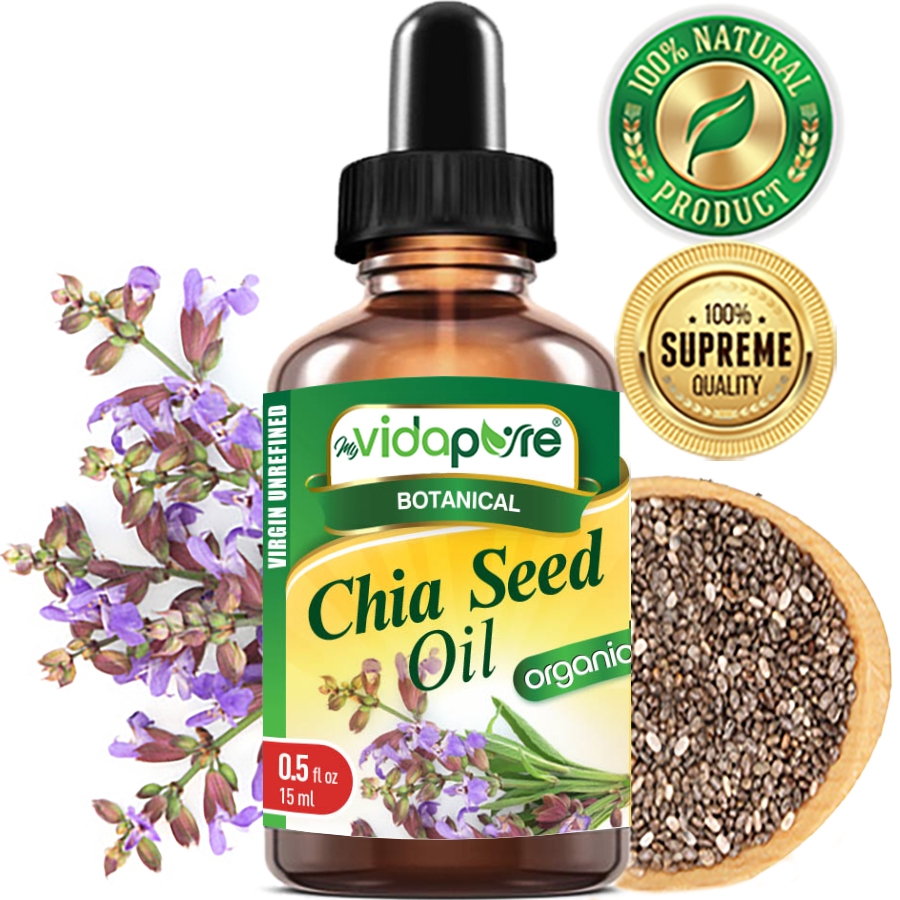
Chia Seed Oil: An All-Natural Source of Nutrients for a Healthy Diet
If you’re looking to add more nutrients to your diet, you might want to consider chia seed oil. Chia seeds have been popularized in recent years as a superfood due to their high nutrient content, and chia seed oil is no exception.
What is Chia Seed Oil?
Chia seed oil is extracted from the tiny black and white seeds of the Salvia hispanica plant, which is native to Mexico and Guatemala. The oil contains a variety of beneficial compounds, including omega-3 fatty acids, antioxidants, vitamins, and minerals.
The Benefits of Chia Seed Oil
One of the main benefits of chia seed oil is its high omega-3 fatty acid content. Omega-3s are essential fats that our bodies need but cannot produce on their own. They are important for brain function, heart health, and reducing inflammation in the body.
In addition to omega-3s, chia seed oil also contains antioxidants like vitamin E which help protect cells from damage caused by free radicals. Vitamin E has also been linked with improving skin health by reducing inflammation and promoting collagen production.
Other nutrients found in chia seed oil include calcium and magnesium – both important minerals for bone health – as well as iron which helps transport oxygen throughout the body.
How to Use Chia Seed Oil
Chia seed oil can be used in a variety of ways to add nutritional value to your diet. One easy way is simply adding it as an ingredient when cooking or baking. It has a mild taste so it won’t overpower other flavors but adds a nutty taste similar to flaxseed or sesame oils.
Another option is using it topically on your skin since it’s rich in antioxidants that help reduce inflammation and promote healing properties for dry skin conditions such as eczema or psoriasis.
Lastly, some people use chia seed oil as a supplement by taking it in capsule form. This is an easy way to get the benefits of chia seed oil without having to worry about incorporating it into your meals.
Potential Side Effects
While chia seed oil is generally considered safe for most people, there are some potential side effects to be aware of. It’s important not to consume too much omega-3 fatty acids as it can increase bleeding and act as a blood thinner.
Additionally, those with allergies or sensitivities to seeds may experience adverse reactions when consuming chia seed oil. As always, if you have any concerns or medical conditions, consult with your healthcare provider before adding anything new to your diet.
Conclusion
Chia seed oil is a great source of nutrients that can be easily incorporated into any diet. Its high content of omega-3s and antioxidants make it especially beneficial for brain and heart health, reducing inflammation throughout the body, improving skin health and many other benefits. With its mild taste and versatility in cooking or using topically on skin makes this all-natural superfood one worth considering for anyone looking for an easy way to boost their nutritional intake!

Leave a Reply