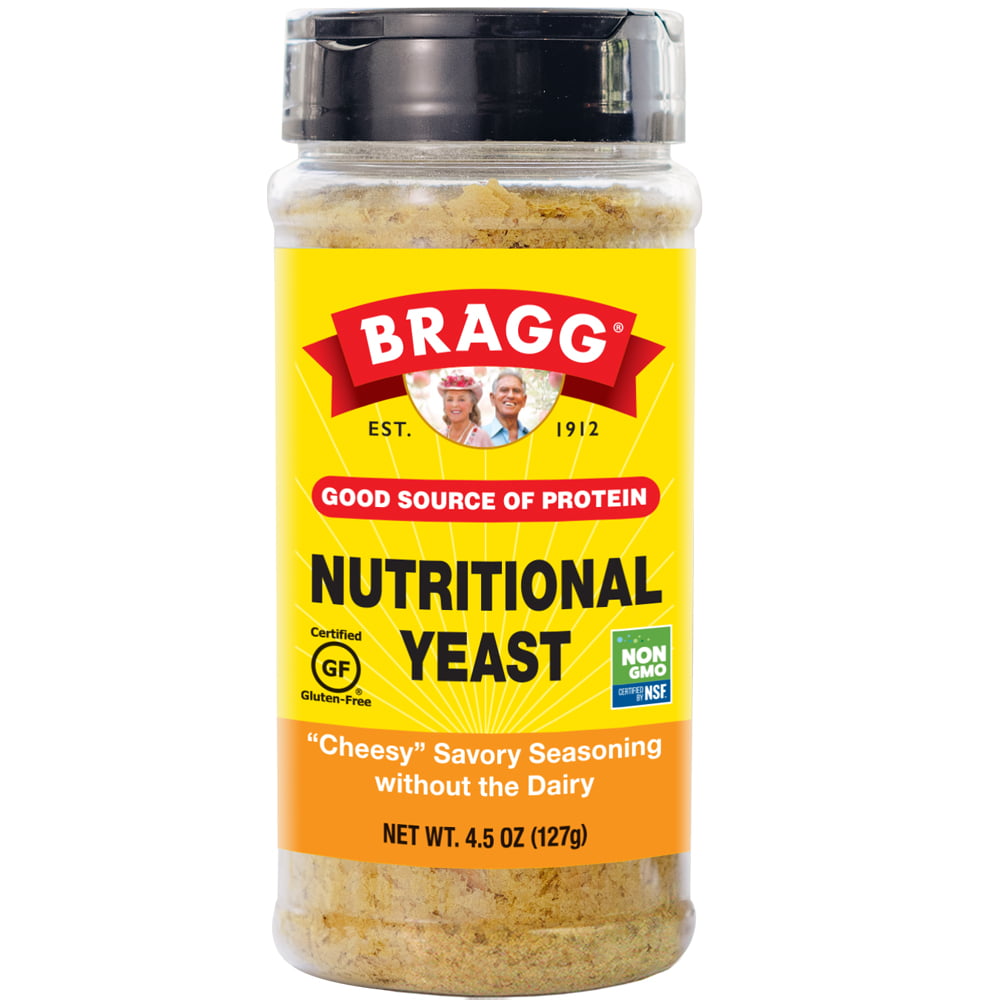
Nutritional Yeast and Toddlers: A Comprehensive Guide
As a parent, you want to provide your child with the best possible nutrition. With so many different foods available, it can be difficult to determine which ones are healthy and which ones should be avoided.
One food that has gained popularity in recent years is nutritional yeast. This versatile ingredient is often used as a vegan cheese substitute or added to soups, stews, and salads for its nutty flavor. But is it safe for toddlers? And what are the benefits of including nutritional yeast in their diet?
In this article, we will explore everything you need to know about nutritional yeast and how it can benefit your toddler’s health.
What Is Nutritional Yeast?
Nutritional yeast is a type of deactivated yeast that has been grown on molasses or another nutrient-rich medium. It is then harvested, washed, and dried before being sold in flakes or powder form.
This type of yeast provides an excellent source of vitamins and minerals such as B vitamins (including vitamin B12), selenium, zinc, iron, magnesium, phosphorus, and potassium. It also contains all nine essential amino acids that our bodies cannot produce on their own.
While some people may confuse nutritional yeast with brewer’s or baker’s yeast due to their similar appearance when dried into flakes or granules – they are not interchangeable ingredients because these yeasts have different flavors profiles due to varying levels of active enzymes present within each respective strain.
Is Nutritional Yeast Safe for Toddlers?
Yes! Nutritional yeast is generally considered safe for toddlers when consumed in moderation as part of a balanced diet. In fact – many parents choose to introduce nutritional yeast into their toddler’s diets specifically because it’s rich in nutrients like vitamin B12 which may otherwise be missing from plant-based diets lacking animal products like meat or dairy products containing naturally-occurring sources of this important nutrient.
However – if your toddler has a yeast allergy, be sure to consult their pediatrician before introducing nutritional yeast into their diet. Additionally, if your child is taking any medications or has an underlying medical condition, it’s always best to discuss potential dietary changes with a healthcare provider prior to making any modifications.
Benefits of Nutritional Yeast for Toddlers
1. Provides Essential Nutrients
Nutritional yeast is packed with essential vitamins and minerals that are important for your toddler’s growth and development. Vitamin B12, in particular – which can be difficult to obtain from plant-based diets – helps support healthy brain function and the production of red blood cells in the body.
Additionally, this type of yeast is also rich in protein which supports muscle growth and development as well as immune health due to its high levels of amino acids.
2. Enhances Flavor
Many toddlers can be picky eaters but incorporating nutritional yeast into their meals could help encourage them to try new foods thanks to its savory cheese-like flavor profile that many kids find appealing! Adding nutritional yeast flakes or powder can instantly enhance the taste of soups, stews, pasta dishes without adding excess salt or fat – making it an excellent way to make healthy foods more palatable while also boosting nutrition content at the same time!
3. May Support Digestive Health
Nutritional yeast contains beta-glucan fiber which may help improve digestive issues like constipation by promoting proper bowel movements while also helping maintain gut microbial balance by encouraging beneficial bacteria populations within the digestive tract.
How To Incorporate Nutritional Yeast Into Your Toddler’s Diet
Now that you know about all the benefits of nutritional yeast and how safe it is for toddlers let’s take a look at some easy ways you can incorporate this ingredient into your child’s diet:
1. Add It To Soups And Stews
One easy way to add nutritional yeast flakes or powder into your child’s diet is by stirring them into soups or stews. This will not only enhance the taste of the dish – but also increase their nutrient intake without adding any extra sodium or fat.
2. Make “Cheesy” Popcorn
Another fun way to incorporate nutritional yeast into your toddler’s diet is by making homemade popcorn with a sprinkle of nutritional yeast flakes on top for a delicious and healthier alternative to buttered popcorn!
3. Use It as A Seasoning
Nutritional yeast can be used as a seasoning in many different dishes, including roasted vegetables, pasta, salads, and more! Try sprinkling it over steamed broccoli for an added boost of nutrients and flavor that even picky eaters might enjoy.
4. Mix Into Sauces And Dressings
For kids who love dips, try mixing nutritional yeast into hummus or other sauces like marinara sauce to add a cheesy flavor while still keeping it healthy.
Final Thoughts:
In conclusion – Nutritional Yeast is safe for toddlers when consumed in moderation as part of a balanced diet rich in nutrient-dense whole foods along with plenty of fruits, vegetables and grains. Incorporating this ingredient into your child’s meals not only enhances the flavor but also boosts nutrition content while providing essential vitamins and minerals important for their growth & development!
As always before introducing any new food to your toddler’s diet – check with their pediatrician first if you have concerns about potential allergies or interactions with existing medical conditions/medications they may be taking so that everyone can feel confident about choosing foods that promote optimal health together!

Leave a Reply