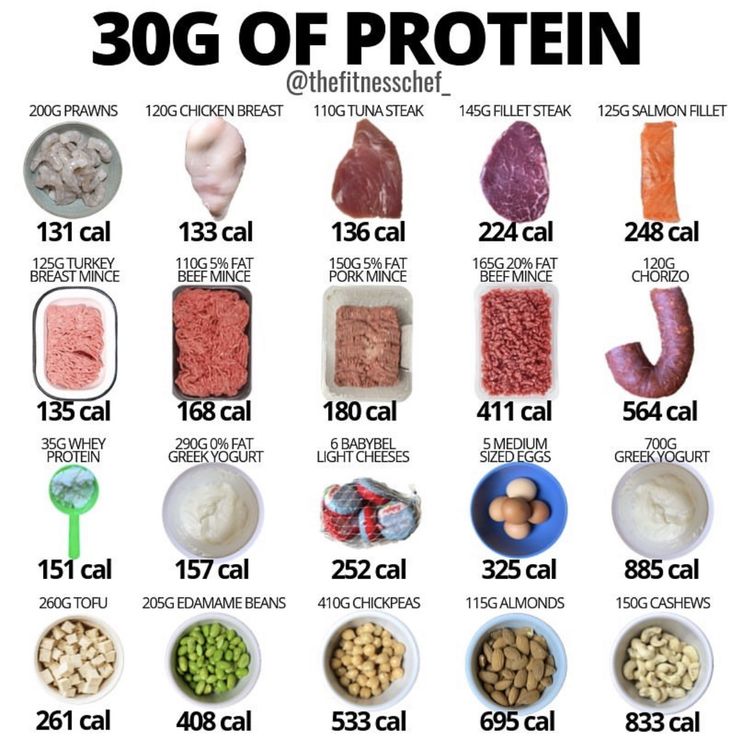
Protein Portions: How Much Is Enough?
When it comes to healthy eating, protein is one of the most important nutrients your body needs. It helps build and repair tissues, supports muscle growth, and keeps you feeling full for longer periods of time. However, many people struggle with understanding how much protein they should be consuming daily.
The recommended daily intake of protein varies depending on a person’s age, gender, weight, and physical activity level. The general guideline set by the USDA is 0.36 grams per pound of body weight or 0.8 grams per kilogram for adults over the age of 18. For example, if you weigh 150 pounds (68 kg), you should aim to consume around 54 grams of protein a day.
However, some experts suggest that this recommendation may not be enough for everyone. Athletes and individuals who engage in regular intense exercise may require more protein to support muscle recovery and growth. According to the International Society of Sports Nutrition (ISSN), athletes need anywhere from 1.4-2 grams per kilogram of body weight each day.
It’s also important to note that certain medical conditions such as kidney disease can affect how much protein your body can handle safely. In these cases, consulting with a healthcare professional or registered dietitian is recommended.
Now that we know how much protein we need let’s take a look at what types of foods contain high-quality proteins that our bodies need:
Meat: Beef, pork chicken are excellent sources but do make sure they’re lean cuts as fatty meats contain higher calories.
Fish & Seafood: Salmon tuna trout etc., are all great sources but don’t forget shellfish too!
Eggs: Hard-boiled eggs make for an excellent snack
Dairy Products: Greek yogurt cottage cheese milk all have plenty
Legumes & Beans: Chickpeas lentils beans peas hummus – there are so many options here
Nuts & Seeds: Almonds peanuts sunflower seeds flaxseeds etc.
While it’s important to include a variety of protein sources in your diet, it’s also crucial to pay attention to portion sizes. Consuming too much protein can lead to weight gain and other health problems such as kidney damage.
A serving size of meat should be around 3 ounces or the size of a deck of cards. For fish, aim for at least two servings per week and stick with portions that are about the size of your palm. A single egg is considered one serving, while dairy products like Greek yogurt should be limited to one cup per day.
When it comes to plant-based proteins such as legumes and beans, aim for around ½ cup cooked or one small can per serving. Nuts and seeds are great snacks but make sure you’re not consuming more than a handful at a time – approximately one ounce (28 grams).
It’s also important not only to consume enough protein but also spread it throughout the day evenly so that your body is able to undergo its natural process efficiently. You wouldn’t want to have all your daily intake in just one meal!
In conclusion, knowing how much protein you need each day and incorporating high-quality sources into your meals is essential for overall health and wellness. Be mindful of portion sizes and try spreading out consumption throughout the day – this will help ensure that you’re getting the most benefit from this vital nutrient!

Leave a Reply