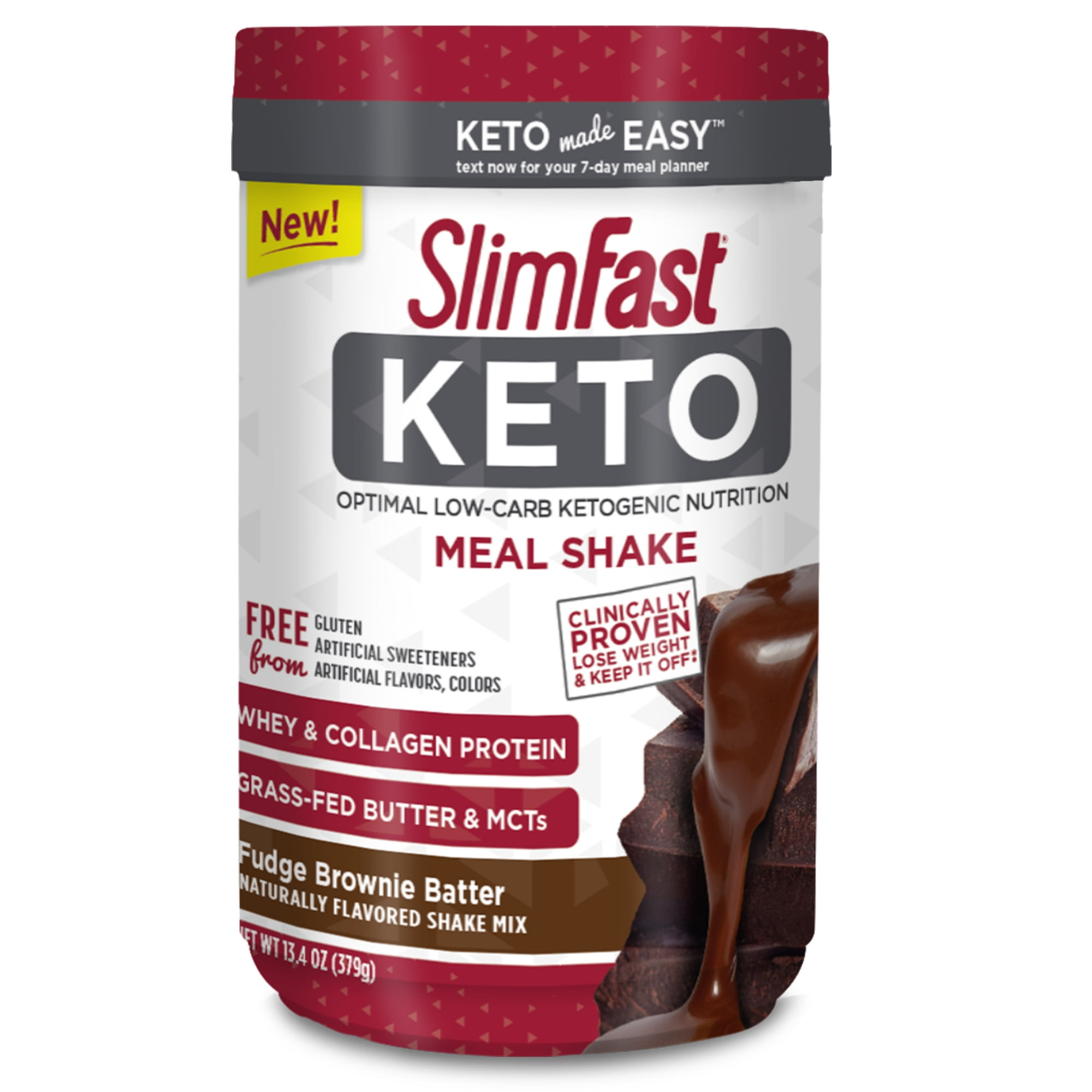
If you’re looking for a quick and easy way to lose weight, then meal replacement shakes might seem like the perfect solution. After all, they promise to deliver all the nutrients your body needs in a convenient and delicious package. But before you start stocking up on these shakes, let’s take a closer look at what they really are and whether they actually live up to their hype.
First of all, it’s important to understand that meal replacement shakes are not magic potions that will make you instantly skinny. In fact, many nutrition experts warn against using them as a long-term weight loss strategy. That’s because most of these shakes are heavily processed and contain lots of added sugars and artificial ingredients that can be harmful if consumed regularly.
Another problem with relying on meal replacement shakes is that they don’t teach you how to eat healthy foods in real-life situations. Sure, drinking a shake for breakfast every day might help you drop some pounds in the short term. But what happens when you go out for dinner with friends or have to attend an office party? Will you be able to resist temptation and stick with your liquid diet?
Moreover, there is no one-size-fits-all approach when it comes to nutrition. Every person has unique dietary needs based on factors such as age, gender, activity level, health status and food preferences. So while meal replacement shakes may work well for some people who are trying to shed excess weight quickly or manage certain medical conditions (such as diabetes), others may find them too restrictive or unsatisfying.
Lastly, let’s talk about the financial cost of meal replacement shakes. While they may seem cheaper than buying regular groceries at first glance, this isn’t always true in practice. Most shake programs require users to purchase multiple containers each month in order to stay on track with their weight loss goals – which can add up quickly over time.
In conclusion: while meal replacement shakes can certainly offer some benefits (such as convenience and portion control), they are not a panacea for weight loss or healthy eating. If you’re considering using them as part of your overall diet plan, it’s important to do your research first and consult with a qualified nutrition professional who can help guide you in the right direction. Ultimately, the best way to achieve lasting health and wellness is by adopting a balanced approach that includes plenty of whole foods, regular exercise, and self-care practices such as mindfulness meditation or yoga.

Leave a Reply