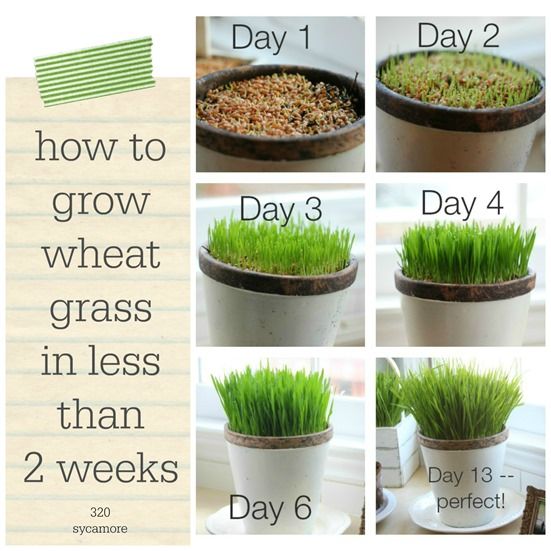
Wheatgrass is a type of grass that is known for its health benefits. It contains high levels of vitamins, minerals, and antioxidants which can help improve your overall health. Wheatgrass has become increasingly popular in recent years, with many people growing it at home to enjoy its benefits.
Growing wheatgrass at home is relatively easy and requires only a few supplies. In this post, we will provide you with all the information you need to start growing wheatgrass in your own home.
Supplies Needed
To grow wheatgrass at home, you will need the following supplies:
– Wheatgrass seeds
– Soil or potting mix
– A tray or container
– Water spray bottle
– Plastic wrap or lid
Step-by-step Guide
1. Soak the Seeds: Start by soaking your wheatgrass seeds in water for around 8 hours. This process helps to activate the enzymes within the seed and makes them easier to sprout.
2. Prepare Your Tray: While your seeds are soaking, prepare your tray by filling it with soil or potting mix. The depth should be around 1 inch deep.
3. Plant Your Seeds: Once your seeds have soaked for 8 hours, drain the water off and sprinkle them over the soil surface evenly without overcrowding them too closely together.
4. Cover Your Seeds: Covering your seeds with plastic wrap or lid creates a warm environment that encourages germination while keeping moisture inside so that they don’t dry out before they get going properly.
5. Keep Soil Moist: You’ll want to keep an eye on how moist your soil is throughout this process because too much water can cause rotting roots while not enough may lead to failed germination attempts altogether; use a spray bottle filled with filtered water so as not to disturb any developing sprouts yet ensure adequate moisture levels are maintained regularly until harvest time arrives!
6. Provide Adequate Light: Place the tray in an area where it can receive adequate light, but not direct sunlight. A sunny windowsill is a perfect spot.
7. Uncover and Water: After 3-4 days, the seeds should begin to sprout. At this point, remove the plastic wrap or lid and start watering your wheatgrass regularly using the spray bottle.
8. Harvest Time: Once your wheatgrass has grown to around 6-8 inches tall (usually takes about two weeks), it’s time for harvesting! Use sharp scissors or garden shears to cut the blades at their base just above soil level so that they’re fresh for immediate consumption either in smoothies or juices!
Tips
Here are some additional tips you can follow when growing wheatgrass:
1. Choose Good Quality Seeds: Make sure you choose high-quality seeds as these will give you the best results.
2. Keep Your Wheatgrass Clean: To avoid any contamination, keep your tray and equipment clean by washing them with soap and water before each use.
3. Give Them Enough Space: Overcrowding of seeds may lead to competition for nutrients which can result in stunted growth; make sure there is enough room between each seedling by spreading them out evenly across your container.
4. Don’t Overwater: Too much water will cause rotting roots while too little will lead to failed germination attempts altogether; ensure adequate moisture levels are maintained regularly until harvest time arrives!
5. Use Organic Soil/Potting Mixes Only – Avoid chemical fertilizers in favor of organic ones that contain natural ingredients instead to support optimal growth conditions without introducing potentially harmful chemicals into your food chain later on down-the-line!
Benefits of Wheatgrass
Wheatgrass is considered a superfood because of its many health benefits which include:
1) Detoxification – It helps cleanse toxins from the body, which improves digestion and overall health.
2) Boosts Immunity – Regular intake may help boost your immunity system and fight off diseases.
3) Anti-inflammatory – It has anti-inflammatory properties, which can help reduce inflammation in the body caused by various health conditions like arthritis or allergies.
4) High Nutrient Content – It is rich in vitamins A, C, E and K as well as minerals like iron, calcium, potassium among others.
5) Improves Skin Health – Wheatgrass juice helps purify blood and oxygenate skin cells that can lead to a glowing complexion.
6) Promotes Weight Loss – Its high fiber content can keep you feeling fuller for longer periods of time thereby reducing cravings while supporting healthy digestion patterns at the same time!
Conclusion
Growing wheatgrass at home is easy with just a few supplies needed. By following the steps above and using our tips for success along with incorporating it into your daily routine for optimal health benefits. This superfood is packed full of essential nutrients that are great for overall wellness and has been used in traditional medicine practices around the world for centuries. So why not give it a go today?

Leave a Reply