High-Protein Diets for Muscle Gain: Everything You Need to Know
Protein is an essential macronutrient that plays a crucial role in building and repairing muscles, tissues, and organs in our body. People who are looking to gain muscle mass often focus on consuming high-protein diets. In this article, we will explore what high-protein diets are all about, how they work, and if they are safe for long-term use.
What is a High-Protein Diet?
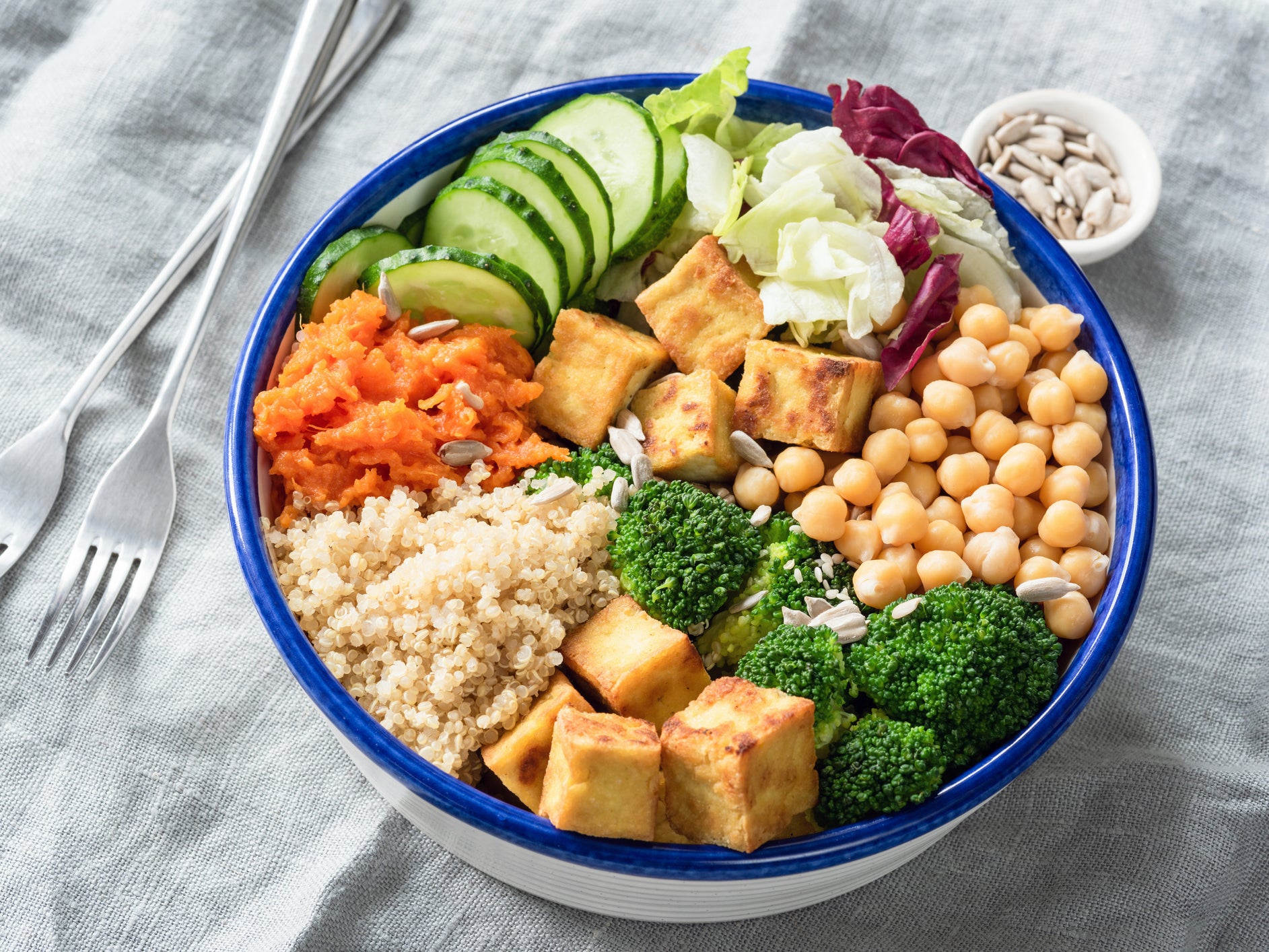
A high-protein diet is a dietary approach where the majority of your daily calories come from protein-rich foods such as meat, poultry, fish, eggs, dairy products, legumes (beans and lentils), nuts and seeds. Typically, a high-protein diet contains at least 1 gram of protein per pound of body weight or more.
How Does Protein Help Build Muscle?
Proteins are made up of amino acids which serve as the building blocks for our muscles. When we consume protein-rich foods or supplements before or after exercising or weightlifting sessions- especially when coupled with resistance training – it helps initiate the process of muscle protein synthesis (MPS). MPS refers to the creation of new proteins in skeletal muscle fibers necessary for growth and repair.
Amino acids play a critical role during this process by providing fuel for MPS while also stimulating hormonal signals like insulin-like growth factor-1 (IGF-1) that support muscle cell growth. Therefore increased intake of dietary protein can help promote greater gains in lean body mass over time when combined with regular exercise.
Benefits Of A High-Protein Diet For Gaining Muscle
1. Increased Muscle Mass: As mentioned earlier higher intakes of dietary protein have been shown to stimulate MPS leading to increases in muscle mass over time.
2. Strength Gains: Alongside increased size comes improved strength which makes performing tasks easier not only inside but outside the gym environment.
3. Enhanced Recovery: After intense workout sessions, our muscles require adequate nutrients for repair and recovery. High-protein diets can help speed up the process of muscle recovery by providing essential amino acids necessary to rebuild damaged tissue.
4. Weight Loss: Consuming high-protein diets has been linked with increased satiety levels which means that individuals who consume higher amounts of protein tend to feel fuller and satisfied for longer periods compared to those on low protein diets. This feeling of fullness may lead to less calorie consumption overall resulting in weight loss.
Potential Drawbacks Of A High-Protein Diet For Gaining Muscle
1. Excess Protein Intake May Harm The Kidneys: Our kidneys play a crucial role in filtering out waste products from our bodies including excess nitrogen produced when we digest protein-rich food sources. Eating too much protein over an extended period puts additional strain on these organs, leading to potential kidney damage or disease.
2. Potential Nutrient Deficiencies: Focusing solely on consuming high-protein foods may result in ignoring other essential vitamins and minerals necessary for overall health like fiber, healthy fats, vitamins B12 & D3 as well as complex carbohydrates found in fruits and vegetables.
3. Increased Risk Of Heart Disease: Studies have shown that excessive intake of animal-based proteins (higher content of saturated fat) is associated with poor cardiovascular health outcomes such as heart attacks, stroke among others.
Conclusion
High-protein diets are an effective approach towards gaining muscle mass if followed correctly while being mindful about the potential drawbacks highlighted above.
To maximize benefits while minimizing risks it’s important not only to focus on consuming dietary proteins but also having a balanced diet plan that includes nutrient-dense foods such as fruits, vegetables whole grains alongside regular exercise.
It’s also advised that individuals should speak with their doctor or nutritionist before embarking on any significant changes related to dietary habits especially if they have pre-existing medical conditions concerning kidney function or heart-related problems.
Overall following a high-protein diet with moderation and careful planning can be an effective approach towards gaining muscle mass while promoting overall health.

Leave a Reply