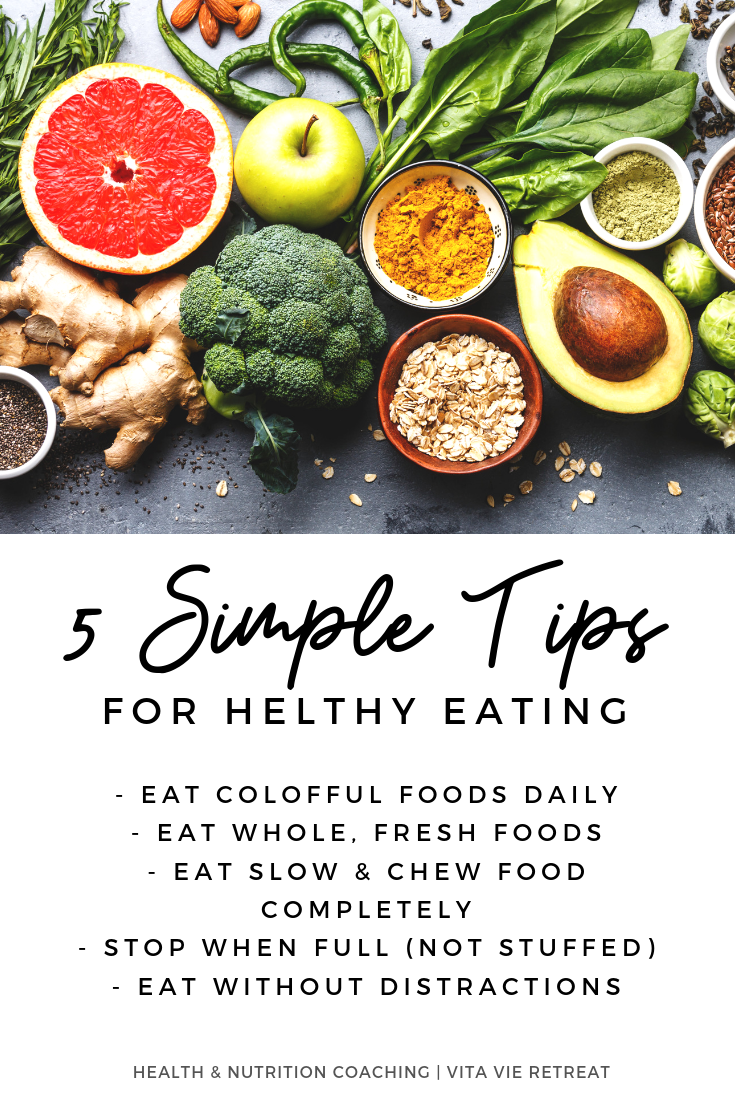
The world of healthy eating can be a minefield. With so much conflicting advice out there, it can be hard to know what to believe. But fear not! We’ve put together this handy guide to help you navigate the choppy waters of clean eating.
First things first: let’s define our terms. Clean eating is all about consuming whole foods that are minimally processed and as close to their natural state as possible. Think fresh fruits and vegetables, nuts, seeds, whole grains, and lean proteins like chicken or fish.
Sounds pretty straightforward, right? Well, unfortunately, things are rarely that simple in the world of health and wellness. In recent years, clean eating has become something of a buzzword – and with that buzz comes a lot of misinformation.
One common misconception about clean eating is that it has to be expensive. Sure, if you’re buying organic produce from high-end stores every day, it’s going to add up fast. But there are plenty of ways to eat healthily on a budget – think frozen veggies (just as nutritious as fresh!), bulk grains like quinoa or brown rice (which will last for ages), and canned beans (a great source of protein).
Another myth surrounding clean eating is that it requires you to cut out entire food groups – specifically carbs or fat. While some people do choose to follow low-carb or low-fat diets for specific health reasons (like managing diabetes), there’s no need for most people to go down this route.
In fact, cutting out entire food groups can actually have negative consequences for your health – especially if you’re doing it without proper guidance from a qualified professional. For example, low-fat diets often rely heavily on highly processed foods full of added sugar; meanwhile, low-carb diets can lead to nutrient deficiencies if you’re not careful about getting enough fiber from non-starchy vegetables.
So what should you focus on when trying to eat more cleanly? Here are a few tips:
1. Eat the rainbow: Try to consume a variety of colorful fruits and vegetables every day. Different colors signify different nutrients, so by eating a range of produce, you’ll be getting as many vitamins and minerals as possible.
2. Go for whole grains: If you’re going to eat carbs (and there’s no reason why you shouldn’t!), make sure they’re coming from whole grain sources like brown rice or quinoa. These will provide more fiber and other important nutrients than their refined counterparts.
3. Don’t forget about protein: Many people associate clean eating with vegetarianism or veganism – but that’s not necessarily the case! If you do choose to eat animal products, try to go for leaner options like chicken or fish.
4. Experiment with new recipes: Eating healthily doesn’t have to be boring! There are plenty of delicious, nutrient-packed recipes out there – so don’t be afraid to try something new.
5. Listen to your body: Ultimately, the most important thing when it comes to healthy eating is figuring out what works best for your individual needs. Pay attention to how certain foods make you feel, both physically and mentally – and adjust your diet accordingly.
Of course, all of this is easier said than done – especially if you’re used to relying on processed foods or takeout meals for your daily sustenance. But remember: clean eating is all about progress, not perfection. Start small by making one or two changes at a time (like swapping white bread for whole wheat), and build up from there.
And finally – don’t forget that healthy eating isn’t just about what goes into your mouth; it’s also about how you approach food in general. Try to cultivate a positive relationship with food by focusing on its nourishing properties rather than obsessing over calories or macros.
So go forth and eat cleanly – but above all else, enjoy the process!

Leave a Reply