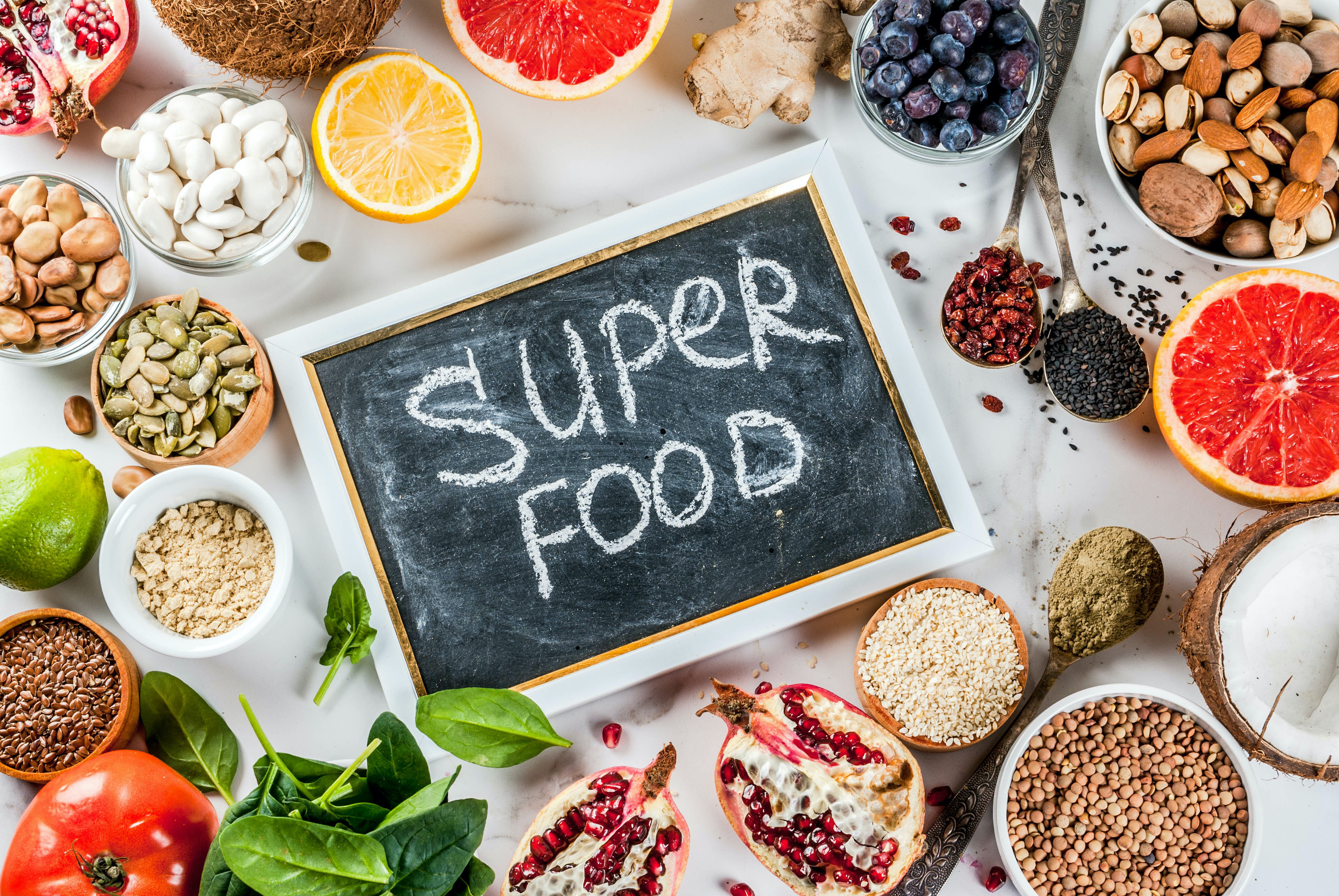
Superfoods: A Closer Look at the Hype
In recent years, the term “superfood” has become a buzzword in the world of health and wellness. From kale to quinoa, acai berries to matcha tea, these nutrient-dense foods are often touted as miracle cures for everything from weight loss to disease prevention. But what exactly makes a food “super”? And are these claims backed up by science?
Defining Superfoods
The term “superfood” has no official definition or regulatory standard. In general, it refers to foods that are particularly high in nutrients like vitamins, minerals, fiber, antioxidants, and phytochemicals – plant compounds that have been linked to various health benefits.
However, not all nutrition experts agree on which foods qualify as superfoods. Some argue that any whole food that is packed with essential nutrients can be considered super; others believe that only certain exotic or rare ingredients fit the bill.
Examples of commonly recognized superfoods include blueberries (rich in antioxidants), salmon (high in omega-3 fatty acids), spinach (loaded with iron and vitamin K), and almonds (a good source of healthy fats). However, other less well-known foods such as spirulina (a type of algae) and maca root powder have also gained popularity among health enthusiasts.
The Evidence Behind Superfood Claims
While many people swear by the benefits of consuming superfoods regularly or taking supplements derived from them- there isn’t enough scientific evidence supporting most claims about their miraculous healing properties.
One reason for this is that nutritional research is notoriously difficult to conduct due to factors ranging from individual variations in metabolism to confounding variables like lifestyle habits and environmental exposures.
However despite this challenge some studies suggest potential benefits associated with certain superfoods. For example;
– Berries: Many types of berries contain high levels of anthocyanins – antioxidant pigments that may help protect against inflammation and oxidative stress that can damage cells and lead to chronic diseases like cancer, heart disease, and Alzheimer’s. A 2016 review of research found that blueberries in particular may improve cognitive function and reduce the risk of neurodegenerative disorders.
– Leafy Greens: Foods such as kale, spinach, arugula, chard are high in vitamins C and K both essential for bone health. Kale also contains compounds known as glucosinolates which have been shown to have anti-cancer properties in animal studies.
– Nuts & Seeds: Rich in healthy fats; nuts & seeds provide a good source of plant-based protein along with antioxidants minerals such as selenium (which has been linked to lower rates of some cancers).
While these findings are promising they don’t necessarily prove that consuming superfoods will guarantee optimal health outcomes or prevent all diseases.
The Importance of Variety
One important thing to keep in mind is that no single food – not even a “superfood” – can provide all the nutrients your body needs to function at its best. The key to a healthy diet is variety and balance.
Instead of focusing solely on incorporating specific superfoods into your meals, aim for a diverse array of whole foods from different food groups. This includes fruits, vegetables, whole grains, lean proteins sources like fish or legumes along with plant based oils including olive oil or coconut oil.
Furthermore having too much focus on one individual nutrient could lead you missing out on other important ones. For instance if someone were only eating salmon every day because it was touted as “superfood” they would miss out on other essential fatty acids found only in other types of seafoods like mackerel or sardines (which also happen to be more sustainable options).
Cooking Methods Matter
Another factor worth considering when discussing superfoods is how you prepare them can impact their nutritional value. For example;
– Raw vs cooked veggies: Raw leafy greens like spinach and kale may have more antioxidants than those that are cooked, as heat can break down some of these compounds. However, cooking vegetables actually increases the bioavailability of some nutrients such as lycopene in tomatoes – meaning they’re easier for your body to absorb.
– Roasting nuts: As long you don’t use too much oil or salt, roasting nuts can help intensify their flavor and make them more palatable. Plus, it turns out that roasted almonds may have slightly higher antioxidant levels than raw ones.
– Juicing vs Eating Fruits Whole: While juicing fruits or vegetables is a great way to consume multiple servings at once; it does strip away fiber which is important for gut health and blood sugar control. Additionally drinking smoothies with added sugars could negate any potential health benefits by adding extra calories
In conclusion superfoods are worth incorporating into a healthy diet- but no one food should be seen as a “miracle cure” on its own. Instead we should aim for variety & balance along with proper preparation methods when consuming these nutrient dense foods!

Leave a Reply