Tempeh is a plant-based food that has been gaining popularity in recent years. It is made by fermenting cooked soybeans with a specific type of mold, which produces a solid cake-like block of tempeh. The fermentation process gives it a unique taste and texture, making it an excellent meat alternative for vegetarians and vegans.
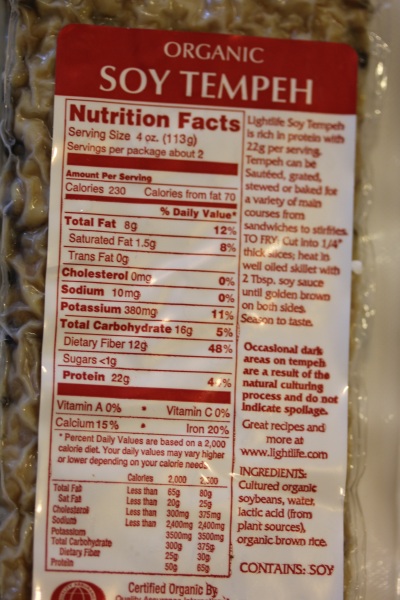
Nutritionally speaking, tempeh is an excellent source of protein. A 100-gram serving of tempeh contains around 19 grams of protein, which is comparable to the amount found in chicken or beef. What makes tempeh different from animal sources of protein is that it also contains dietary fiber, vitamins B6 and B12, iron, calcium, and potassium.
Tempeh’s high protein content makes it an ideal choice for people who are trying to build muscle or maintain their current muscle mass. Protein is essential for repairing damaged tissues and building new ones; thus, athletes can benefit significantly from incorporating tempeh into their diets.
One aspect that sets tempeh apart from other plant-based proteins like tofu or seitan is its probiotic content. Probiotics are beneficial bacteria that live in our gut microbiome and aid digestion while improving overall health. Tempeh’s fermentation process encourages the growth of these healthy bacteria naturally.
The probiotics present in tempeh may also help boost the immune system by promoting good bacteria in the gut environment while reducing inflammation throughout the body.
In addition to its impressive nutritional profile and probiotic benefits, tempeh has other health advantages worth mentioning. For instance, because it’s low in fat and calories but rich in fiber (5 grams per 100-gram serving), consuming tempeh regularly can be helpful for weight management and reducing cholesterol levels.
Furthermore, many studies have linked soy consumption (the primary ingredient used to make Temeph) with lower rates of chronic diseases such as heart disease diabetes , and even some types of cancer. These health benefits are attributed to the high concentration of isoflavones in soybeans, potent antioxidants that help fight off free radicals.
Lastly, tempeh is versatile and easy to incorporate into your diet; You can use it as a meat substitute in many dishes like stir-fries, salads or make sandwiches with it – the possibilities are endless.
In conclusion, tempeh offers an impressive array of nutritional benefits making it an excellent addition to any healthy eating plan. Whether you’re a vegetarian looking for new protein sources or someone who wants better gut health or weight management results, try incorporating tempeh into your meals. With its versatility and unique taste, you’re sure to find a recipe that suits your preferences while nourishing your body at the same time.

Leave a Reply