Beta-carotene: The Powerful Antioxidant Found in Many Foods
When it comes to healthy eating, you may have heard of the importance of consuming antioxidants. Antioxidants are substances that protect our cells from damage caused by free radicals, which are unstable molecules that can lead to various diseases and accelerate aging.
One antioxidant that has gained a lot of attention is beta-carotene. Beta-carotene is a type of carotenoid, which is a pigment found in many fruits and vegetables. In this article, we’ll take a closer look at what beta-carotene is and why it’s important for our health.
What Is Beta-Carotene?
Beta-carotene is a red-orange pigment that belongs to the family of carotenoids. Carotenoids are organic pigments synthesized by plants and algae, which give them their bright colors ranging from yellow to red.
The name “beta” comes from the fact that beta-carotene was one of the first carotenoids discovered. It was named after the Greek letter β (beta) because it migrated slightly slower than alpha-carotene during chromatography experiments.
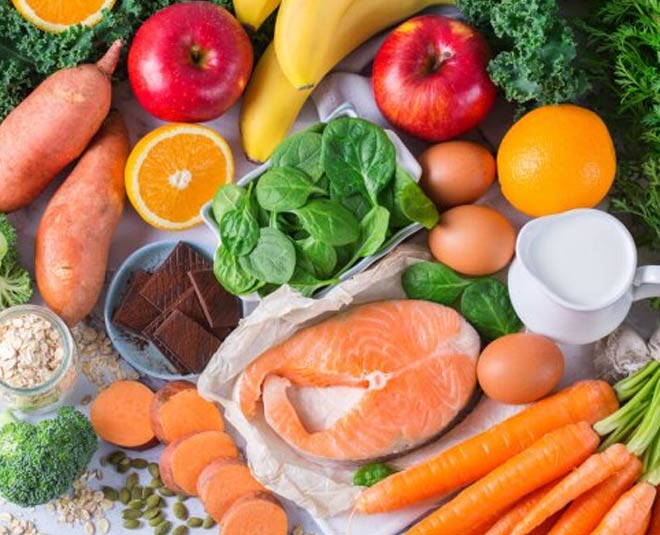
Beta-carotene is mainly found in plant-based foods such as carrots, sweet potatoes, spinach, kale, broccoli, cantaloupe melon and apricots among others. When consumed in food or supplements form, beta-carotene converts into vitamin A (retinol) inside our body.
Why Is Beta-Carotene Important?
As an antioxidant precursor to vitamin A metabolism inside our body system plays an important role in maintaining good vision through night blindness prevention; immune function; skin health; bone growth & development; reproductive health including pregnancy outcomes; cancer prevention among other benefits.
1. Maintains Good Vision
Vitamin A plays a crucial role in maintaining good vision by preventing conditions like night blindness and dry eyes syndrome especially among older adults who struggle with eye sight. Beta-carotene has been shown to reduce the risk of macular degeneration, which is a leading cause of blindness in older adults.
2. Boosts Immune Function
Beta-carotene helps support immune function by protecting cells from oxidative stress caused by free radicals. It also boosts production of white blood cells that help fight off infections and diseases.
3. Promotes Skin Health
Beta-carotene plays a crucial role in maintaining healthy skin by acting as an antioxidant to protect against sun damage, reducing wrinkles and other signs of aging.
4. Supports Bone Growth & Development
Vitamin A supports bone growth and development especially among children where it promotes healthy teeth formation too.
5. Reproductive Health Including Pregnancy Outcomes
Vitamin A supports reproductive health including pregnancy outcomes such as fetal development, proper placenta formation and lactation among others.
6. Cancer Prevention
Antioxidants like beta-carotene have been linked to cancer prevention due to their ability to neutralize free radicals that can lead to cell damage and increase the risk of cancer.
Sources Of Beta-Carotene
The best way to consume beta-carotene is through food sources rather than supplements for several reasons:
1. Food sources provide other nutrients besides beta-carotene
2. Excessive intake from supplements can lead to toxicity
3. Food sources are more affordable than supplements
Here are some good food sources of beta carotenes:
1) Carrots:
Carrots are one of the richest sources of beta carotenoids; just one medium-sized carrot contains about 200% DV (Daily Value) for vitamin A! In addition, carrots contain fiber, potassium, vitamin C among other nutrients making them a great snack or part of your daily meal plan.
2) Sweet Potatoes:
Sweet potatoes are another excellent source of beta carotenoids with 438% DV per one cup serving compared to the 2% DV found in white potatoes. Sweet potatoes are also rich in fiber, vitamin C, potassium and manganese among other nutrients.
3) Spinach:
Spinach is a leafy green vegetable that is packed with beta-carotene, as well as vitamins A and K. One cup of spinach contains about 49% of your daily value for beta-carotene.
4) Kale:
Kale is another nutrient-packed leafy green vegetable that contains high amounts of beta-carotene along with vitamins A, C and K. One cup of kale provides about 206% DV for vitamin A!
5) Apricots:
Apricots are a sweet fruit that contain high levels of beta carotenoids; one apricot can provide up to 14% DV! They also contain fiber, potassium and vitamin C among other nutrients making them a great addition to your diet.
6) Cantaloupe Melon:
Cantaloupe melons have orange flesh which indicates they are rich in beta carotenoids. One serving (1/4th cantaloupe melon) contains approximately 50 percent of your daily recommended intake for vitamin A!
Supplements
While food sources should be the primary source of beta-carotene intake, supplements may be beneficial for those who may need higher doses or prefer not to consume certain foods due to allergies or dietary restrictions. It’s important to speak with a healthcare provider before taking any supplements however because excessive intake from supplements can lead to toxicity especially when combined with existing health conditions or medication use.
Conclusion
Beta-Carotene has multiple benefits including promoting healthy vision immune function skin health bone growth & development reproductive health including pregnancy outcomes cancer prevention among others. It’s best consumed through food sources like carrots sweet potatoes spinach kale apricots cantaloupe melon rather than supplements although some people may require supplementation at times especially where there are underlying health conditions or medication use.
By incorporating these foods into your diet and taking advantage of their natural beta-carotene content, you can help support your overall health and well-being for years to come.

Leave a Reply