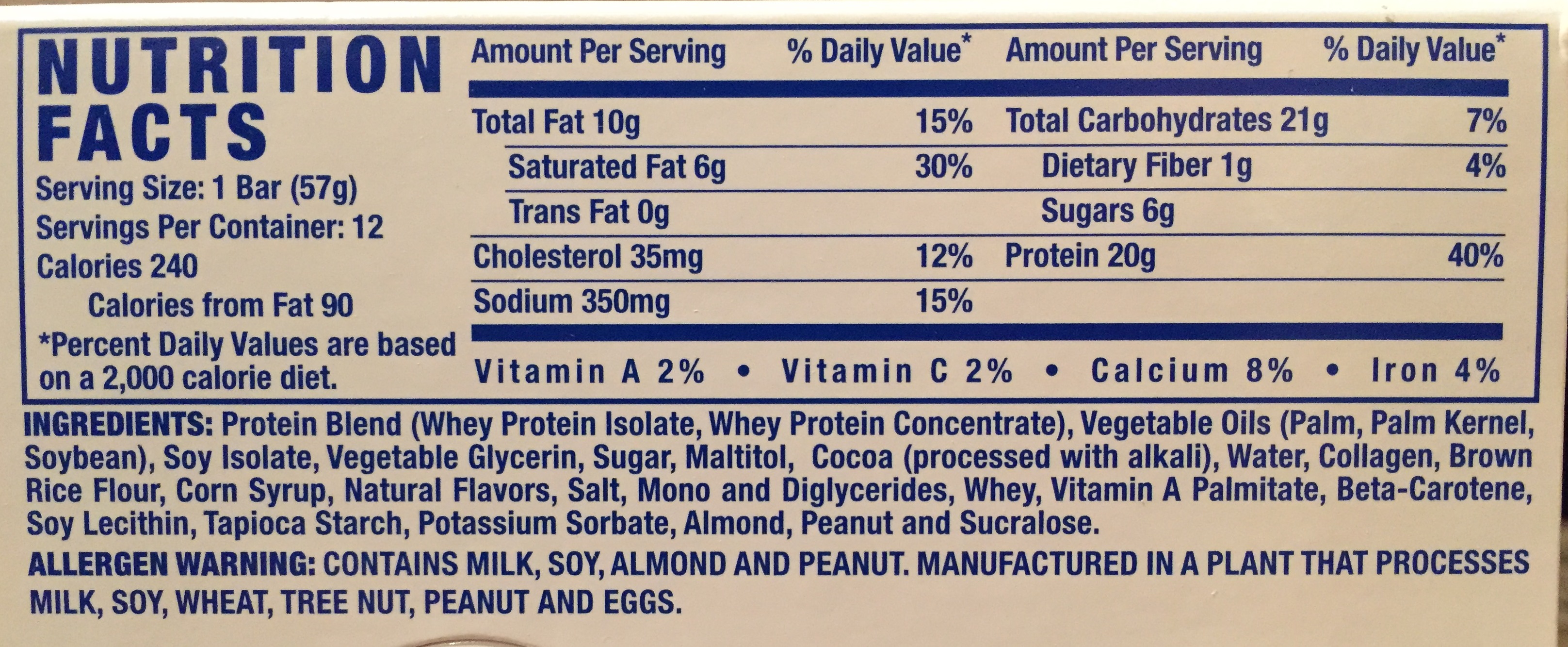
Protein bars have become increasingly popular for people who are looking for a quick and convenient way to get their protein fix. Whether you’re an athlete, busy professional, or just trying to maintain a healthy lifestyle, there’s a protein bar out there that can fit your needs. In this Q&A style post, we’ll answer some of the most common questions about protein bars.
Q: What are protein bars made of?
A: Protein bars are typically made from ingredients such as whey protein, soy protein, nuts, seeds, and various types of grains. They may also contain other ingredients such as sweeteners (e.g., honey or stevia), fiber (e.g., chicory root fiber), and vitamins/minerals.
Q: How much protein do I need in a protein bar?
A: The amount of protein you need in a protein bar depends on your individual goals and needs. Most experts recommend consuming between 0.8-1 gram of protein per pound of body weight per day if you’re trying to build muscle or lose weight. If you’re using a protein bar as a meal replacement or snack, aim for at least 10 grams of protein per serving.
Q: Are all types of proteins created equal?
A: No – different types of proteins have different amino acid profiles and digestibility rates. Whey is considered one of the highest quality proteins because it contains all nine essential amino acids and is quickly absorbed by the body. Soy is another good option for vegetarians/vegans since it’s also complete but has slightly lower bioavailability than whey.
Q: Do I need to worry about calories when choosing a protein bar?
A: Yes – many commercial brands pack their bars with added sugars and fats which can make them high in calories (and not very filling). Look for bars with around 200-250 calories per serving that contain mostly whole food sources like nuts/seeds/fiber.
Q: Can protein bars replace a meal?
A: In some cases, yes – if you’re in a rush or don’t have time to prepare a healthy meal, a protein bar can be a good option since it’s portable and contains all the macronutrients (protein, carbs, fat) you need. However, they shouldn’t be relied on as your sole source of nutrition since they lack many micronutrients (vitamins/minerals) that whole foods provide.
Q: Are there any downsides to eating protein bars?
A: Some commercial brands can contain high amounts of added sugars or artificial sweeteners which can contribute to weight gain and other health issues. They may also contain additives like soy lecithin and carrageenan which have been linked to inflammation/gastrointestinal problems. Look for bars with minimal ingredients and avoid ones that contain hydrogenated oils/partially hydrogenated oils/trans fats.
Q: When is the best time to eat a protein bar?
A: Protein bars are most effective when consumed within 30 minutes after exercise when your muscles need quick access to amino acids for repair/growth. They can also be eaten as snacks between meals or as part of pre/post-workout fueling strategy.
Q: How long do protein bars last?
A: Protein bars typically have a shelf life of several months if stored properly in cool/dry conditions. However, check the expiration date before consuming them and discard any that look/taste off.
In conclusion, protein bars can be an easy way to add extra protein into your diet without having to cook/prep meals constantly. However, make sure you choose brands that contain quality sources of proteins/fats/carbs without too much added sugar/artificial flavors/colors/etc. As with anything else in nutrition/fitness realm – moderation is key!

Leave a Reply