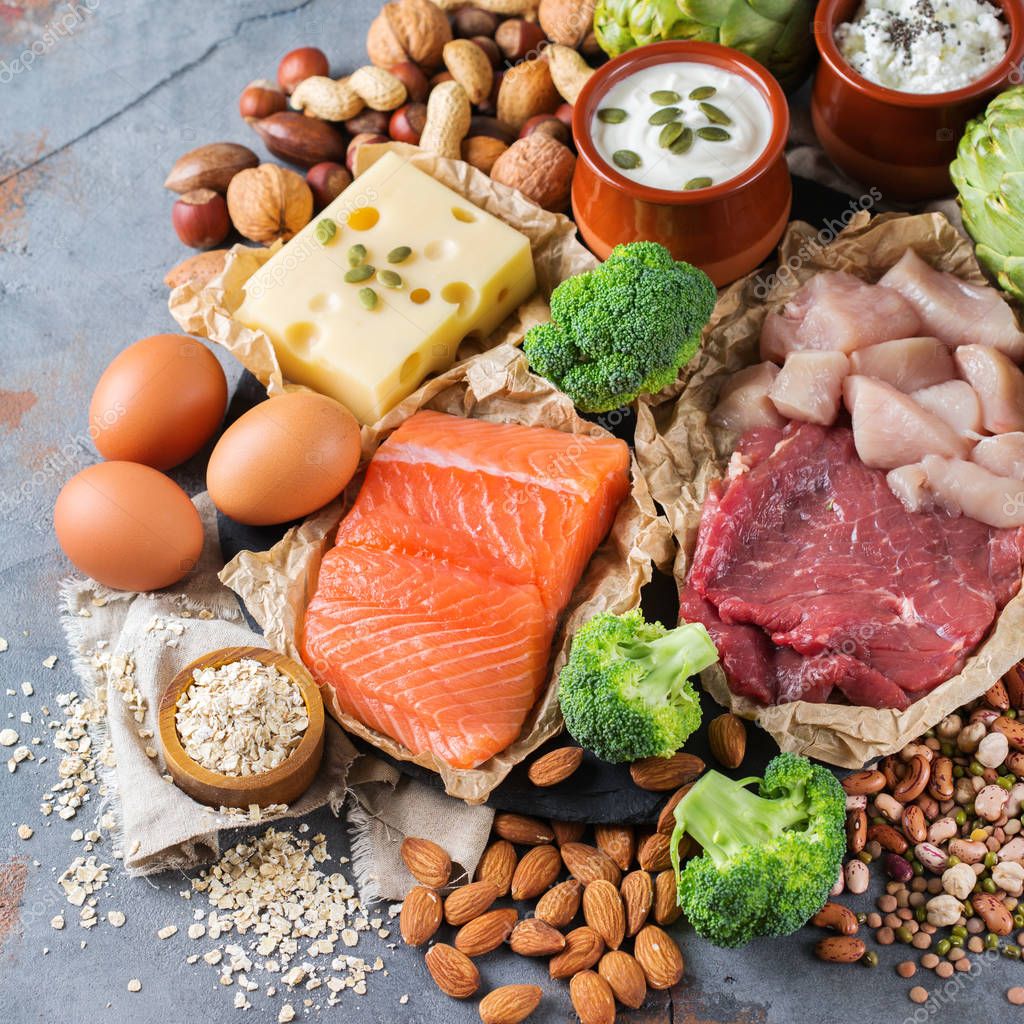
Protein is an essential macronutrient that plays various critical roles in the body. It is a building block for muscles, bones, skin, hair, and nails. The body needs protein to repair and build tissues after injury or strenuous physical activity. Additionally, it plays a vital role in maintaining healthy immune function.
When it comes to healthy eating habits, understanding the different sources of protein and their nutritional values can be helpful in creating balanced meals. Here’s what you need to know about protein content:
1. Animal-Based Proteins
Animal-based proteins are complete proteins because they contain all the essential amino acids required by the body. These include meat, poultry, fish, eggs, milk products such as cheese and yogurt.
Red meat is a good source of high-quality protein but should be consumed in moderation due to its high-fat content. Lean cuts of beef such as sirloin steak or ground beef with less than 10% fat can provide up to 27 grams of protein per 100-gram serving.
Poultry such as chicken breast or turkey provides approximately 30 grams of protein per 100-gram serving while fish like salmon contains around 20 grams per 100-gram serving.
Eggs are another excellent source of animal-based proteins with one large egg providing approximately six grams of protein.
2. Plant-Based Proteins
Plant-based proteins contain varying amounts of amino acids; therefore often require combining several plant sources for optimal nutrition intake.
Legumes such as lentils or chickpeas offer between eight and ten grams of protein per half-cup serving while soy products like tofu provide up to ten grams per three ounces served.
Nuts and seeds also contribute significantly towards daily recommended intakes with options like almonds (six grams), pumpkin seeds (five grams), chia seeds (four grams) being rich sources.
Whole grains including quinoa which offers eight gram servings when cooked can also make substantial contributions to daily protein intake.
3. Protein Powders
Protein powders are another convenient way to increase protein intake. They are easy to use and can be added to smoothies, oatmeal, or baked goods like muffins. However, when choosing a protein powder, it’s essential to consider the ingredients on the label.
Whey protein is one of the most popular sources of protein powder as it contains all the essential amino acids required by the body. It contains low carbohydrates and fats while providing high-quality proteins- approximately 25 grams per scoop serving.
Plant-based options like pea protein isolate or hemp protein offer plant-based alternatives that can suit vegan lifestyles while still delivering high-quality proteins up to 20 grams per serving.
4. Protein Bars
Protein bars are also an excellent option for people who need quick and convenient snacks with a good amount of proteins without preparing meals from scratch.
However, it’s critical to look at labels before purchasing these bars as they often contain high levels of sugar alcohols which can cause digestive discomfort in some individuals if consumed in large quantities.
Some popular brands offer great-tasting options with adequate amounts of proteins such as Quest Nutrition Bars (20-21 grams per bar), RXBARs (12g -14g) or KIND Protein Bars (12g).
5. Dairy Products
Dairy products are not only delicious but also provide significant amounts of high-quality proteins.
Greek yogurt offers approximately 15-18 grams per six ounce servings while cottage cheese provides around 23 gram servings in one cup portions.
These dairy products often contain additional benefits beyond just their nutritional content; for example – probiotics found in yogurts can improve gut health while calcium-rich milk helps maintain strong bones
6. Seafood
Seafood is not only rich in omega-three fatty acids but also an excellent source of lean proteins with minimal fat content.
Salmon provides up to 27grams servings per 100-gram portions while tuna and crab offer 23 grams and 19 grams per 100gm servings respectively.
In conclusion, protein is an essential macronutrient that the body needs to function correctly. When planning meals, consider incorporating a variety of protein sources from both animal and plant foods for optimal nutrition intake.
While consuming adequate amounts of proteins is important, it’s equally vital to keep in mind that overconsumption can lead to adverse effects on health. Therefore, moderation is key when eating high-protein diets.

Leave a Reply