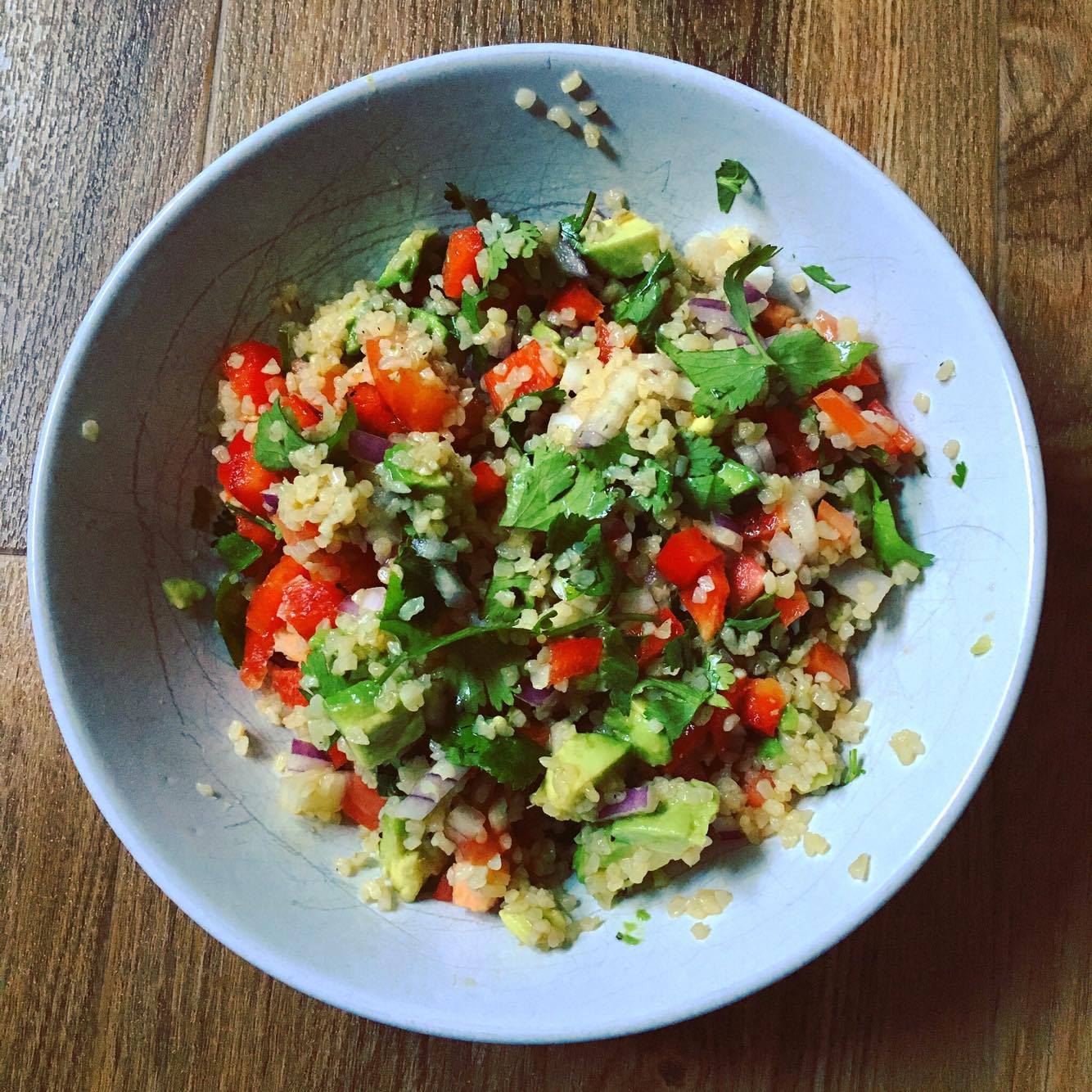
Interview with a Dietician: The Benefits of Including Bulgur Wheat in Your Diet
Bulgur wheat is a nutritious and versatile grain that has been consumed for centuries. It’s said to have originated in the Middle East, where it was an essential ingredient in many traditional dishes. Today, bulgur wheat has become popular worldwide as a healthy alternative to other grains like rice and pasta.
To learn more about the benefits of bulgur wheat, we spoke with Registered Dietitian Nutritionist (RDN) Sarah Smith.
Q: What makes bulgur wheat different from other grains?
A: One thing that sets bulgur apart is its texture. It’s made by boiling whole wheat kernels until they’re partially cooked, then drying them out and cracking them into smaller pieces. This process gives it a chewy texture that works well in salads, pilafs, and other recipes.
Another benefit of bulgur is its nutritional profile. It’s high in fiber, protein, vitamins B1 and B3, magnesium, iron, and zinc. Plus, it’s low in fat and calories compared to some other grains.
Q: How can someone incorporate bulgur into their diet?
A: There are so many ways! You can use it as a side dish or base for salads or bowls. Try mixing cooked bulgur with veggies like cucumbers, tomatoes or bell peppers along with fresh herbs like parsley or mint for added flavor.
It also works well as an ingredient in soups or stews – just add some uncooked bulgur towards the end of cooking time so it absorbs the flavors without becoming mushy.
And don’t forget about breakfast – you could make hot cereal using boiled milk/water combination adding cinnamon powder on top & fruits like berries / banana slices would be delicious!
Q: Are there any health benefits specific to consuming bulgur over other grains?
A: Yes! Because of its high fiber content, bulgur can help improve digestion and prevent constipation. It also has a low glycemic index, which means it doesn’t cause blood sugar levels to spike as much as some other grains.
Additionally, research has shown that consuming whole grains like bulgur may reduce the risk of heart disease, diabetes, and certain cancers.
Q: Is there anything people should be cautious about when introducing bulgur into their diet?
A: If you have celiac disease or a wheat allergy, then bulgur is not suitable for you. While it’s technically a whole grain product made from wheat berries that are boiled and dried before being cracked into smaller pieces; since the kernel retains its bran layer it still contains gluten which can cause adverse reactions in some people with sensitivities.
If you’re unsure whether or not you have an allergy to wheat or another grain type; always speak with your doctor first before adding new foods to your diet.
Q: What are some easy recipes that incorporate bulgur?
A: One recipe I love is a simple tabbouleh salad – just mix cooked bulgur with chopped parsley, tomatoes, cucumbers & lemon juice for dressing along with salt & pepper to taste. Another favorite is making stuffed peppers using the same ingredients but adding ground beef or turkey into the mix – this way they become flavorful & nutritious!
For breakfast try making creamy hot cereal by boiling 1 cup milk/water combination then add 1/2 cup uncooked Bulgur Wheat stirring frequently until cooked through (around 10 minutes). Add cinnamon powder on top along with fruits like berries / banana slices would be delicious!
Q: How do you recommend storing leftover cooked bulgur?
A: Cooked bulgur can last around three days if stored properly in an air-tight container in the refrigerator. You could also freeze any leftovers for future use – just thaw in the refrigerator overnight before reheating.
In conclusion, bulgur wheat is a nutritious and delicious grain that offers many health benefits. It’s easy to incorporate into your diet and can be used in a variety of recipes. If you’re looking for a healthy alternative to rice or pasta, give bulgur wheat a try!

Leave a Reply