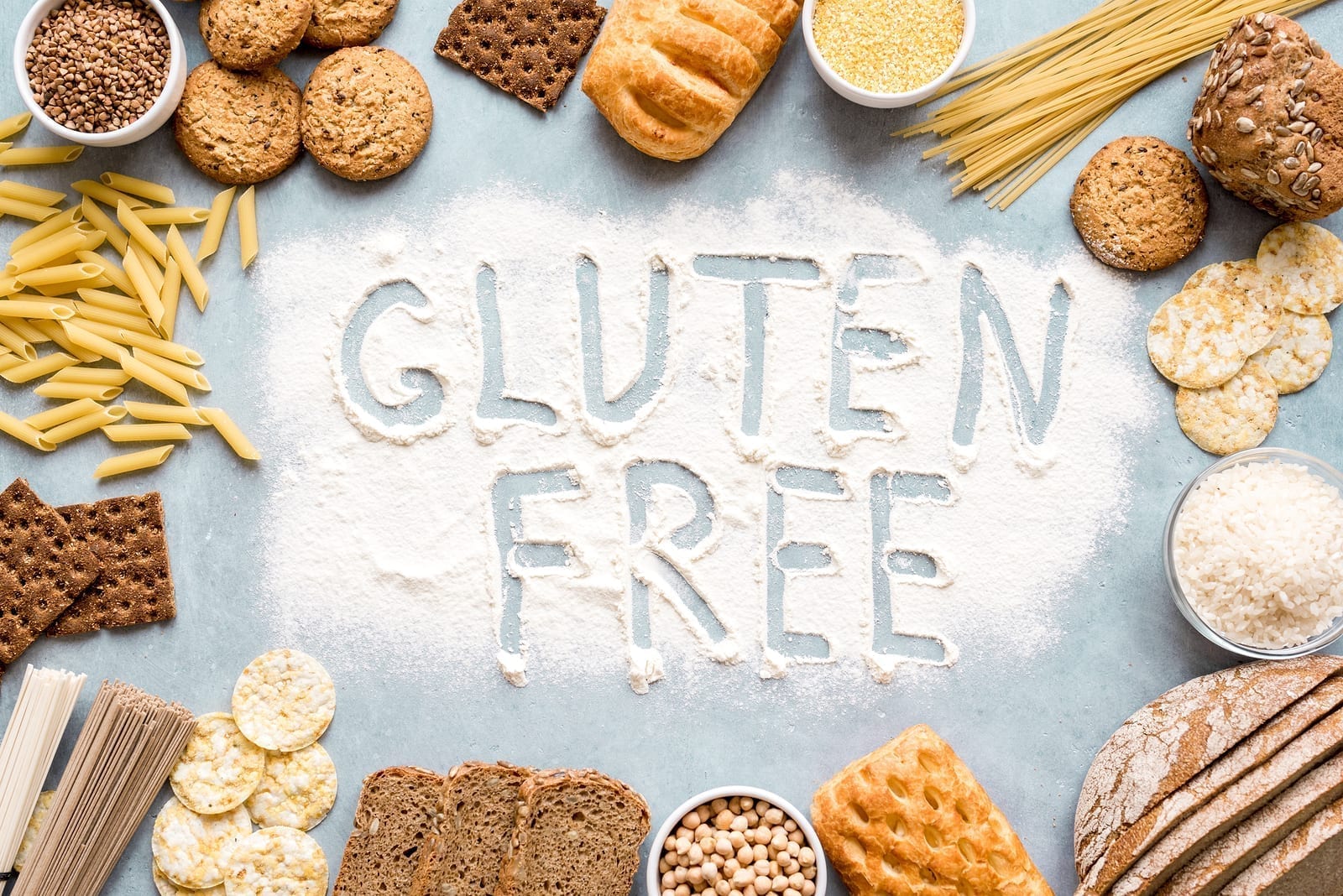
Gluten-Free Options: A Guide to Healthy Eating
If you’ve heard the term “gluten-free” before, but aren’t quite sure what it means, you’re not alone. Gluten-free diets have become increasingly popular in recent years as more people seek healthy eating options. While some people avoid gluten due to medical reasons such as celiac disease or gluten intolerance, others choose to eliminate it from their diet for personal preference.
So what exactly is gluten? Gluten is a protein that is found in wheat, barley, rye and other grains. It provides elasticity and structure to baked goods and other foods that contain these grains. For those who are sensitive or allergic to gluten, consuming even small amounts can cause uncomfortable symptoms such as bloating, diarrhea and abdominal pain.
Fortunately, there are many delicious alternatives available for those looking for gluten-free options. Here are some tips for incorporating them into your diet:
1. Focus on whole foods
One of the best ways to eat a healthy gluten-free diet is by focusing on whole foods. This means choosing fresh fruits and vegetables, lean proteins like chicken or fish, nuts and seeds instead of processed snacks or packaged meals which may contain hidden sources of gluten.
2. Experiment with alternative flours
Flour made from wheat contains gluten so baking traditional breads or pastries may be off limits when following a gluten-free diet. However there are many alternative flours available including almond flour, coconut flour or chickpea flour that can be used instead of wheat flour in recipes.
3. Read labels carefully
When shopping for packaged foods it’s important to read labels carefully since many products contain hidden sources of gluten such as modified food starches or malt flavorings which can trigger an immune response in those who are sensitive to it.
4. Be mindful when dining out
Eating at restaurants while following a gluten-free diet can be challenging but not impossible if you do your research beforehand. Many restaurants now offer gluten-free menus or options, but it’s always a good idea to let your server know about any dietary restrictions you have.
5. Start with simple recipes
If you’re new to cooking gluten-free, start with simple recipes and gradually work up to more complex dishes. This will help you build confidence and get a better understanding of how different ingredients can be used in place of wheat products.
6. Don’t forget about seasonings
Some seasonings and condiments may contain hidden sources of gluten so it’s important to read labels carefully before using them. Opt for fresh herbs and spices instead or choose brands that are certified gluten-free.
7. Incorporate healthy grains
Not all grains contain gluten so don’t feel like you need to avoid them altogether if following a gluten-free diet. Quinoa, millet, amaranth and rice are all healthy options that provide fiber and other nutrients without the added discomfort that comes from eating wheat-based products.
In conclusion, adopting a gluten-free lifestyle doesn’t mean sacrificing flavor or nutrition as there are many delicious alternatives available. By incorporating whole foods into your diet while exploring new ingredients such as alternative flours or grains like quinoa, you can enjoy tasty meals while still maintaining a healthy lifestyle free from unwanted symptoms associated with consuming gluten-containing foods.

Leave a Reply