Natural Sweeteners: A Guide to Healthier Alternatives
When it comes to sweetening your food and beverages, there are many options available in the market. However, not all sweeteners are created equal. Many of them can have negative effects on our health, including weight gain, diabetes, and other chronic illnesses.
Fortunately, there are natural sweeteners that provide a healthier alternative to refined sugar and artificial sweeteners. In this post, we’ll explore some of the most popular natural sweeteners in detail so you can make informed decisions about what you put into your body.
1) Honey
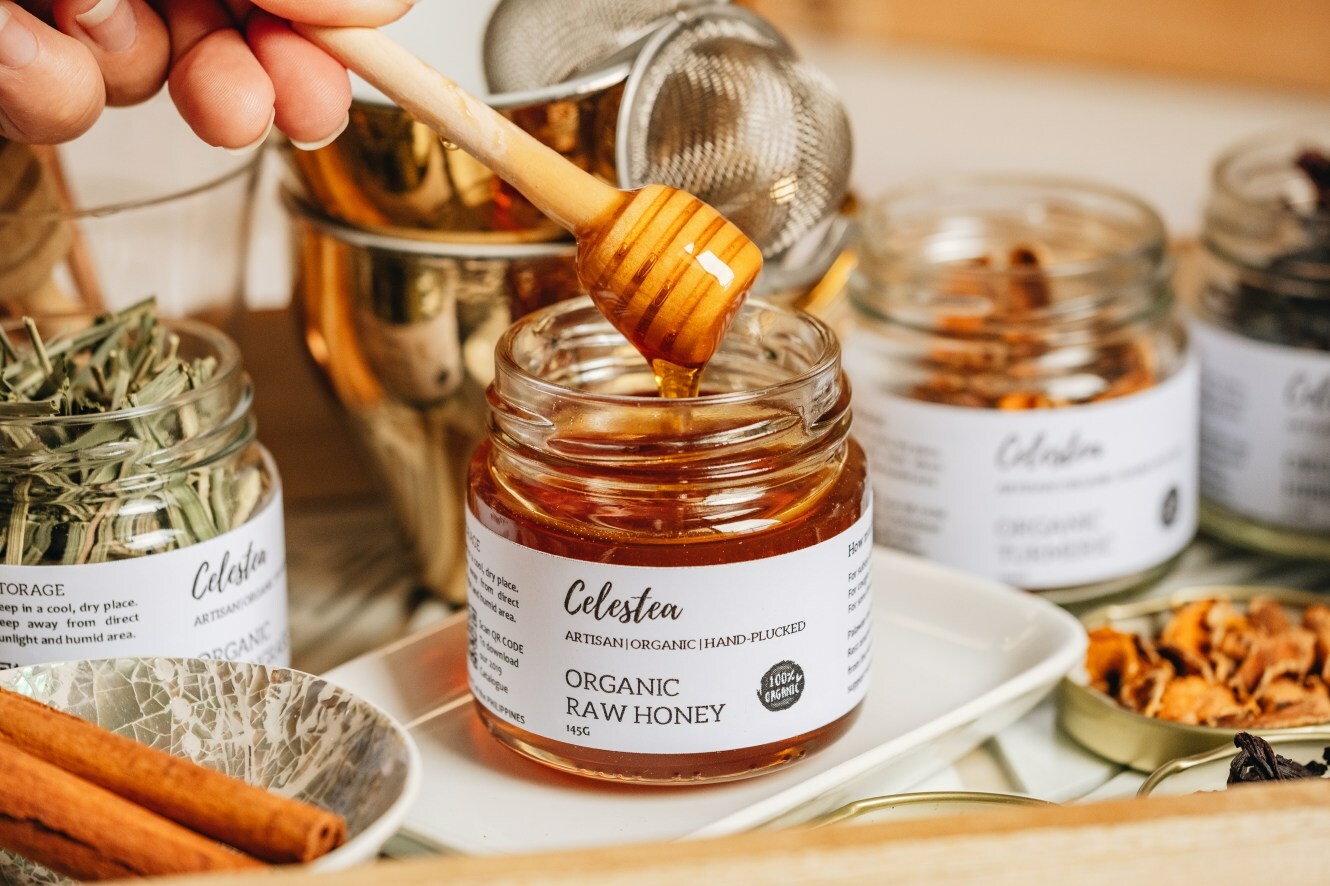
Honey is a natural sweetener that has been used for centuries due to its numerous health benefits. It contains antioxidants that help reduce inflammation and boost immunity. Honey also has antibacterial properties that can help heal wounds and soothe sore throats.
One tablespoon of honey contains 64 calories and 17 grams of sugar compared to one tablespoon of white granulated sugar which has 49 calories and 12.6 grams of sugar. While honey may be slightly higher in calories than white granulated sugar per serving size, it is sweeter than table sugar so less may need to be used overall when substituting it in recipes or drinks.
There are different types of honey available such as raw honey which is minimally processed or pasteurized honey which undergoes heat treatment for preservation purposes but might lose some beneficial enzymes in the process.
2) Maple Syrup
Maple syrup is another great natural alternative to refined sugars as it’s packed with antioxidants like zinc and manganese as well as anti-inflammatory compounds called polyphenols(1). Maple syrup also provides essential minerals such as calcium (which supports strong bones), iron (needed by red blood cells), magnesium (needed for energy production) among others.
One tablespoon of maple syrup contains around 50 calories but only about half the amount found in one tablespoon of white granulated sugar. Maple syrup is a great choice for baking, adding to smoothies or oatmeal bowls, and more.
3) Stevia
Stevia is a natural sweetener derived from the leaves of the stevia plant. It’s calorie-free and has no effect on blood sugar levels making it a popular option for those with diabetes or on low-carb diets.
Stevia can be used in place of sugar in many recipes, but it’s important to note that stevia’s sweetness level can vary depending on the brand(2). Another thing to consider is that some people may find a strong aftertaste with certain brands. However, there are several stevia products on the market that have minimized this issue by combining different types of sweeteners like monk fruit extract or erythritol.
4) Dates
Dates are naturally sweet fruits that can be used as natural sweeteners in recipes such as baked goods and desserts. They contain fiber, potassium, vitamin B6 which supports brain function among other health benefits.
One medjool date contains around 66 calories and 16 grams of sugar but because dates are naturally sweet they often require less added sugars when used in recipes compared to using refined granulated white sugar alone.
To use dates as a substitute for refined granulated white sugar in baking (especially cake batters), you will need to first soak them until they become soft enough before blending them into a paste-like texture similar to how one would make date caramel sauce for example.
5) Coconut Sugar
Coconut sugar is made from evaporated coconut nectar sap and has been gaining popularity due to its lower glycemic index than table sugar (meaning it doesn’t spike blood glucose levels rapidly)(3).
One tablespoon of coconut sugar contains roughly 45 calories but also provides small amounts of nutrients like iron,zinc,potassium among others making it slightly better nutritionally compared to regular table granulated white sugar.
Coconut sugar can be used in place of regular sugar on a one-to-one basis in most recipes, but it may have a slightly different taste profile. It has a similar caramel-like flavor to brown sugar making it ideal for baking and dessert recipes.
6) Molasses
Molasses is a thick, dark syrup that’s made from boiled down sugarcane juice or sugar beet juice. It’s rich in iron, potassium, calcium among other nutrients that support bone health and energy production(4).
One tablespoon of molasses contains around 47 calories but it is important to note that because of its strong flavor profile, molasses might not be suitable as a direct substitute for white granulated table sugar when sweetness alone is desired as the end result.
However, molasses works well when used with other natural sweeteners like maple syrup or honey to create unique flavors especially in baking recipes like gingerbread cookies or baked beans.
In conclusion
Natural sweeteners are great alternatives to refined sugars and artificial sweeteners due to their nutritional value and lower glycemic index. Honey,maple syrup,stevia,dates,coconut sugar,and molasses are all healthier options that offer unique benefits depending on your preferences and dietary needs.
Remember though that while they’re naturally derived doesn’t mean you should consume them without moderation – these types of natural sweeteners should still be consumed mindfully just like any other food product.
So next time you’re looking for ways to reduce your intake of refined sugars or artificial sweeteners consider trying one of these six alternative natural sweetener options instead!

Leave a Reply