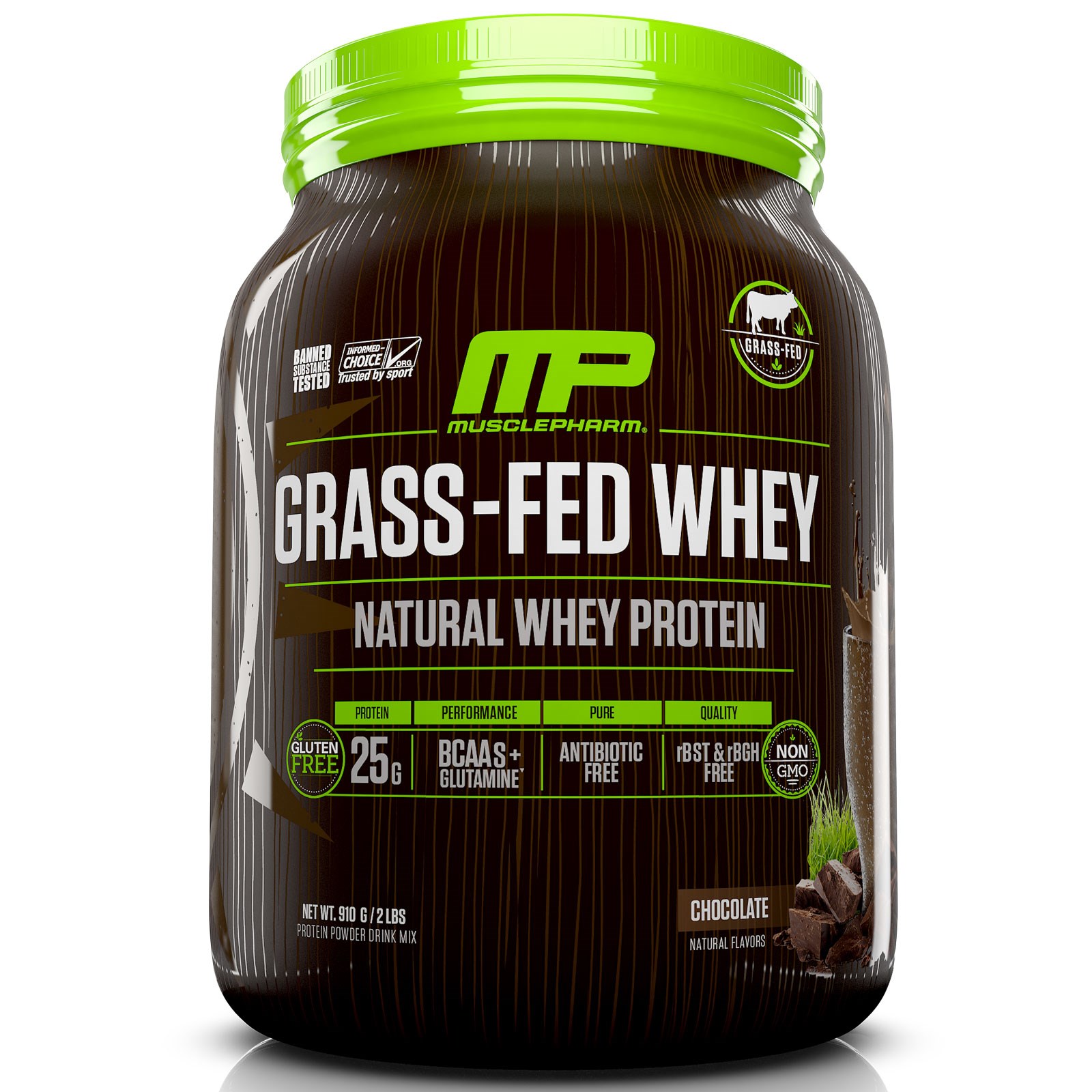
Grass-fed whey protein powder is a popular dietary supplement that has gained significant attention in recent years. This protein powder is derived from the milk of grass-fed cows and contains high-quality protein, essential amino acids, and various other nutrients that can have several health benefits.
What is Grass-Fed Whey Protein Powder?
Protein powders are commonly used by athletes and fitness enthusiasts to help support muscle growth, repair, and recovery. However, not all protein powders are created equal. Grass-fed whey protein powder comes from cows that graze on natural pasture-based diets rather than being fed with grain or soy-based feed.
The process of making grass-fed whey involves separating the whey from the casein (another type of milk protein) through filtration. The resulting product is then dried into a powder form for easy consumption.
Benefits of Grass-Fed Whey Protein Powder
1. Rich source of high-quality protein: Grass-fed whey protein powder contains all nine essential amino acids necessary for muscle growth and repair. It also has higher levels of branched-chain amino acids (BCAAs), which promote muscle growth, reduce fatigue, and improve exercise performance.
2. Increased bioavailability: The bioavailability of a nutrient refers to how easily it can be absorbed by your body after ingestion. Studies suggest that grass-fed whey has higher levels of bioavailable proteins compared to regular cow’s milk or plant-based sources like soy or pea.
3. Supports immune function: Grass-fed whey contains immunoglobulins – antibodies that play an important role in supporting immune function by fighting off pathogens like viruses and bacteria.
4. Promotes weight loss: Consuming grass-fed whey as part of a balanced diet can help you feel fuller for longer periods due to its high satiety value- leading to reduced food intake over time, which may contribute towards weight loss goals
5.Improves gut health – Due to its immunoglobulin content, grass-fed whey protein can also support gut health by promoting the growth of healthy bacteria and reducing inflammation in the digestive tract.
6. Supports bone health – Grass-fed whey contains calcium, phosphorus, and other nutrients that are essential for strong bones. Regular consumption may promote better bone density in menopausal women or older adults at risk of osteoporosis.
How to Choose a Quality Grass-Fed Whey Protein Powder
When it comes to choosing a grass-fed whey protein powder product, there are few key things you should consider:
1. Look for products from reputable brands: It’s important to choose a product from a trusted brand with good manufacturing practices that prioritize quality control measures like third-party testing.
2. Check the ingredient list: Ensure that the product doesn’t contain any artificial sweeteners or unnecessary additives like fillers, dyes or preservatives.
3. Check the nutritional profile: The nutritional composition of different products varies widely – some contain more fat than others while others have higher carbohydrate or sugar content too; so ensure you review this before making your decision.
4.Ensure it is 100% grass-fed- A true grass-fed whey protein powder should come from cows that graze on pastures year-round as opposed to being fed grain-based feed most of their lives—look for certifications such as “American Grassfed” or “Certified Humane Raised & Handled.”
5.Check out reviews- Lastly, check online reviews and ratings from other consumers who have tried these products before making your purchase.
How Much Should You Consume?
The amount of grass-fed whey protein powder you need largely depends on your individual goals and activity level; however, research suggests consuming around 20g-30g per serving up to three times per day can help maximize muscle repair after exercise sessions effectively without overloading kidneys with excessive nitrogen waste which could be harmful in excess.
Side Effects
Grass-fed whey protein powder is generally considered safe for most people; however, some individuals may experience allergic reactions or digestive discomfort due to lactose intolerance. Therefore, if you are intolerant to lactose or have a milk allergy, it’s best to avoid grass-fed whey protein powder and opt for plant-based alternatives instead.
Conclusion
Grass-fed whey protein powder is an excellent source of high-quality protein that can provide several health benefits like improved immune function, weight management support, better gut health and bone density. When choosing a product, make sure it comes from reputable brands and has no artificial additives while checking the nutritional profile too. Lastly remember that consuming the correct amount based on your activity levels will help maximize results without adverse effects.

Leave a Reply