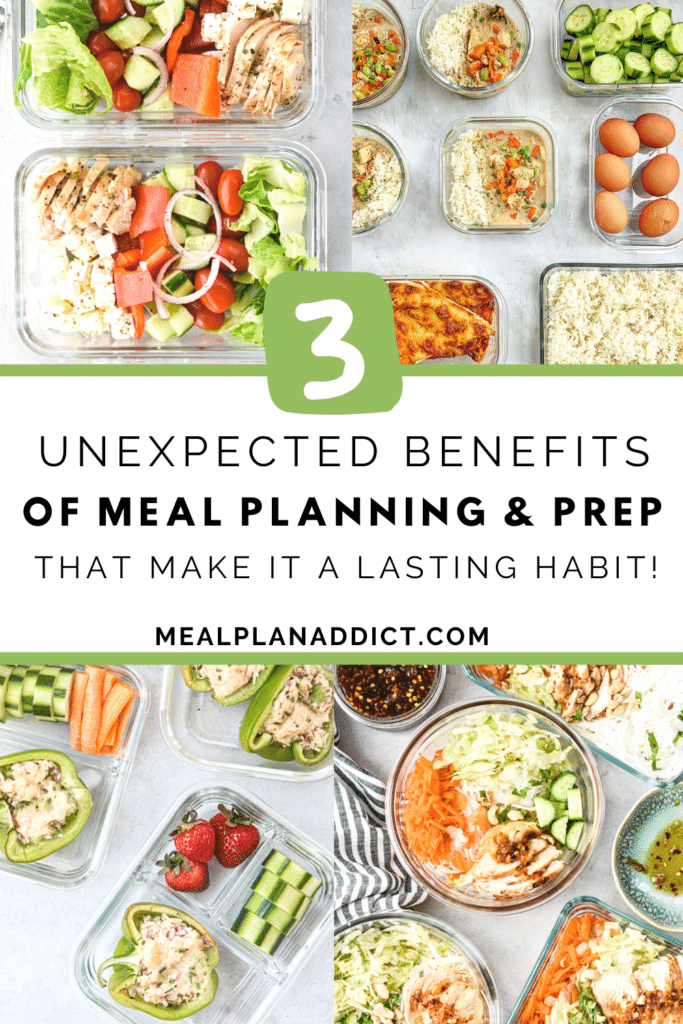
Panel Discussion: The Benefits, Tips, and Best Practices of Meal Prep
Welcome to our panel discussion on meal prep! Today we have gathered three experts in the field of healthy eating and cooking to share their insights, best practices, and tips on how to make meal prep work for you. Let’s introduce our esteemed panelists:
– Sarah Parker is a registered dietitian and nutritionist with over ten years of experience in helping people achieve their health goals through proper nutrition.
– John Smith is a personal chef and culinary consultant who specializes in creating delicious meals that are easy to prepare and customize based on individual preferences.
– Lisa Nguyen is a busy working mom who has been meal prepping for her family for several years. She shares her practical tips and tricks on how to save time, money, and stress by planning ahead.
Moderator: Thank you all for joining us today. Let’s start with the basics: what is meal prep? Why do people do it?
Sarah: Meal prep is simply the act of preparing meals or food components ahead of time so that you can save time, money, energy, and stress when it comes to eating healthy meals throughout the week. People do it for various reasons such as busy schedules, weight loss goals, dietary restrictions or preferences, budget constraints, or simply convenience.
John: I would add that meal prep can also help you avoid temptation or impulse purchases when you’re hungry or tired. By having nutritious snacks or meals ready-to-go at home or at work, you’re less likely to resort to fast food or vending machines.
Lisa: As someone who has a full-time job and two kids with different tastes and schedules than mine, I find that meal prep allows me to stay organized and sane during hectic weekdays. It also helps me bond with my family over shared meals without feeling rushed or stressed out.
Moderator: Those are great points. What are some common misconceptions about meal prep that you have encountered?
Sarah: One misconception is that meal prep requires a lot of time, effort, or money. While it does take some planning and preparation upfront, it actually saves you more time and money in the long run by reducing food waste, avoiding last-minute grocery store runs, and optimizing your cooking skills.
John: Another misconception is that meal prep means eating the same thing every day or sacrificing taste for health. That couldn’t be further from the truth! With some creativity and experimentation, you can make delicious meals that are also nutritious and satisfying.
Lisa: I agree with both Sarah and John. Another myth is that meal prep has to be perfect or all-or-nothing. In reality, even small steps such as prepping ingredients or snacks can make a big difference in your eating habits.
Moderator: Excellent points. Let’s dive deeper into some practical tips for meal prep. What are some essential tools or supplies that you recommend for beginners?
Sarah: A good set of storage containers with tight-fitting lids is a must-have for any meal prepper. You want to choose containers that are microwave-safe, dishwasher-safe, leak-proof, and stackable for easy storage in the fridge or freezer.
John: I would also add a few basic kitchen tools such as a sharp knife, cutting board, measuring cups/spoons, mixing bowls, and sheet pans if you plan on roasting vegetables or proteins in bulk. Don’t forget about spices and herbs too – they can elevate simple dishes without adding calories or sodium.
Lisa: My go-to supplies include a slow cooker/crockpot for making soups/stews/chilis while I’m at work; an Instant Pot/pressure cooker for faster cooking times; reusable silicone bags instead of plastic bags; portable utensils/straws/cups for on-the-go meals; and a planner/to-do list app to keep track of my schedule and menu ideas.
Moderator: Those are all great suggestions. How do you suggest beginners start meal prepping? Do they need to follow a specific plan or recipe?
Sarah: I think it’s important for beginners to start with small, achievable goals such as prepping one meal or snack per day for a week. You can then gradually increase the quantity and complexity based on your comfort level and preferences. As for plans or recipes, there are plenty of resources online such as blogs, cookbooks, YouTube channels, and social media accounts that offer inspiration and guidance.
John: To add to Sarah’s point, I would say that it’s also helpful to have a basic template or formula that you can adapt to different cuisines or ingredients. For example, a grain bowl could consist of cooked quinoa/brown rice/barley; roasted veggies such as sweet potatoes/broccoli/zucchini; protein sources like chicken/tofu/beans; toppings like nuts/seeds/cheese/dressing.
Lisa: Another way to make meal prep less daunting is to involve others in the process such as family members/friends/coworkers who share similar goals or tastes. You can organize potluck-style meals where everyone brings their own dish/prep component, swap recipes/tips, or even hire a personal chef like John if you want more customized options.
Moderator: Those are great ideas. Let’s talk about some common challenges that people face when meal prepping and how to overcome them.
Sarah: One challenge is finding the time/motivation/discipline to actually do the prep work. My advice is to block off dedicated time slots in your schedule (e.g., Sunday afternoons) when you know you’re not likely to be distracted by other tasks. You can also listen to music/podcasts while chopping vegetables or use fun tools like spiralizers or cookie cutters for added variety.
John: Another challenge is dealing with food boredom or burnout. To avoid that, I suggest focusing on variety and flavor by using different spices/herbs/sauces/marinades, trying new recipes or cuisines, and experimenting with different textures (e.g., crunchy vs. creamy). You can also make a list of your favorite dishes/ingredients and rotate them every week.
Lisa: A challenge that I’ve faced is dealing with picky eaters or conflicting schedules. My solution is to involve my kids in the meal planning process by letting them choose some of the ingredients or toppings, allowing them to customize their own meals/snacks, and encouraging them to try new foods in small portions. For example, if they don’t like broccoli raw, I’ll roast it for a few minutes with olive oil and garlic to add more flavor.
Moderator: Those are all great suggestions for overcoming challenges. Let’s wrap up by sharing some final thoughts on why meal prep is worth the effort and how it can benefit our overall health and well-being.
Sarah: In my experience as a dietitian, meal prep is one of the most effective tools for sustainable weight management, blood sugar control, digestive health improvement, and stress reduction. By planning ahead and choosing nutrient-dense foods that support our body’s needs without sacrificing taste or enjoyment, we can empower ourselves to live healthier lives.
John: As someone who loves food but also values simplicity and convenience in cooking, meal prep has been a game-changer for me personally as well as professionally. It allows me to showcase my creativity while respecting clients’ preferences and budgets.
Lisa: As someone who juggles multiple roles on a daily basis but still wants to prioritize family time around meals without breaking the bank or resorting to processed/fast food options constantly, meal prep has been a lifesaver for me. It has taught me how to be resourceful yet flexible in adapting to changing circumstances while keeping my goals in mind.
Moderator: Thank you all for sharing your wisdom and experience with us today. I hope our audience has learned some valuable insights and tips on how to make meal prep work for them. Happy prepping!

Leave a Reply