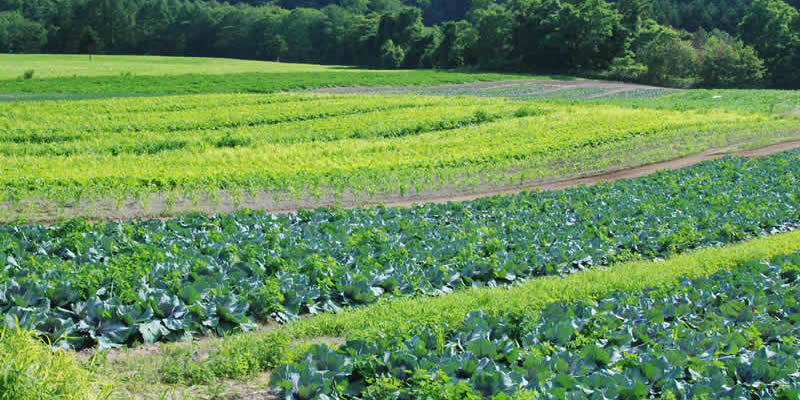
Crop rotation is a farming practice that involves systematically planting different crops in the same field over a period of time. This technique is used to maintain soil health and increase crop yield. It has been practiced for centuries and has proven to be an effective way to sustainably manage farmland.
The main objective of crop rotation is to prevent soil exhaustion, which occurs when the same type of crop is planted in the same soil year after year. When this happens, the nutrients that are essential for plant growth become depleted, leading to poor yields and stunted growth. By rotating crops, farmers can avoid this problem by allowing the soil to recover while also reducing pest and disease pressure.
Crop rotation works by alternating crops every season or two, with each new crop adding different nutrients back into the soil and breaking disease cycles. For example, legumes such as peas or beans are often planted alongside grains like wheat or corn because they have nitrogen-fixing properties that replenish soil fertility naturally. The next season might see root vegetables such as carrots or potatoes being planted which helps break up compacted soils while also adding organic matter back into it.
Another advantage of crop rotation is its ability to reduce pest infestations. Pests tend to target specific types of plants, so if a farmer continuously grows one type of crop in a field, pests will have an ideal environment in which their population can thrive. By changing what’s grown each season (ideally from different families), pests are forced out of their comfort zone where they’re less likely able to reproduce successfully.
In conclusion, Crop Rotation offers numerous benefits including improved soil health and increased yields while minimizing input costs such as fertilizers or pesticides required for healthy harvests. It’s environmentally friendly too since it promotes natural farming practices that help preserve biodiversity on farms without harming ecosystems around them – all reasons why more farmers should consider adopting this approach as part of their agricultural practices!

Leave a Reply