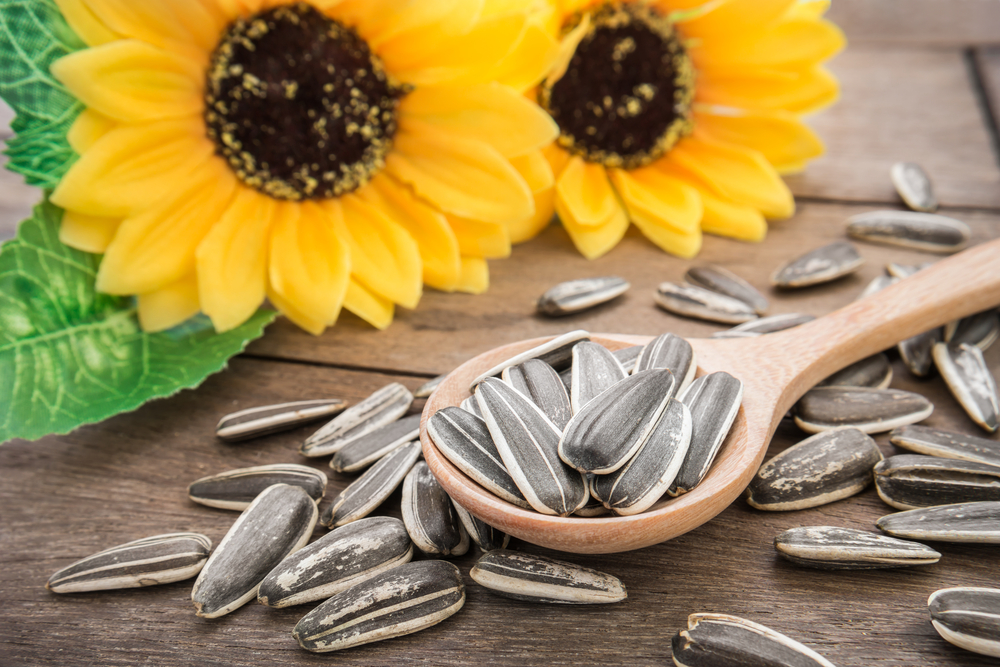
Sunflower Seeds: A Brief History and Health Benefits
Sunflowers (Helianthus annuus) are plants that belong to the Asteraceae family, which also includes daisies and chrysanthemums. Sunflowers originated in North America, specifically from the region of present-day Mexico and Peru, where they were first cultivated around 3000 BCE. Native American tribes used sunflowers for food, medicine, and dye.
The use of sunflower seeds as a snack or ingredient in dishes dates back to ancient times. Archaeologists found evidence that people in Mexico roasted sunflower seeds over fire pits more than 5,000 years ago. The Spanish explorers brought sunflowers to Europe in the sixteenth century, where they quickly became popular among gardeners.
In Russia, sunflowers have been grown since the eighteenth century, mainly for their oil-rich seeds. The Russian Orthodox Church also embraced the flower as a symbol of devotion because it follows the path of the sun across the sky. Today Russia is one of the leading producers of sunflower oil.
Health Benefits
Sunflower seeds are packed with essential nutrients that contribute to overall health and well-being. Here are some health benefits associated with consuming them:
1. High Nutrient Content: Sunflower seeds contain high amounts of vitamins E and B complex (B1 thiamin; B3 niacin; B6 pyridoxine), magnesium, selenium, phosphorus and copper.
2. Good Source of Fiber: Sunflower seeds are rich in fiber which supports digestive function by promoting bowel movements thus preventing constipation
3. Promotes Heart Health : Some studies suggest that consumption of nuts like almonds reduces bad cholesterol levels LDL levels while increasing good cholesterol HDL levels . This helps reduce risk factors linked to heart disease like hypertension .
4.Improves brain function – Vitamin E contained within Sunflower seed acts an antioxidant helping improve brain functions
5.Helps manage blood sugar levels: Sunflower seeds contain good fat which helps in control of blood sugar level this is beneficial for individuals with diabetes.
6.Boosts energy and strength – The rich mineral composition of sunflower seed helps boost energy levels, strengthening the muscles and bones
While they are not a cure-all, sunflower seeds can be part of a healthy, balanced diet.
How to Use Sunflower Seeds
Sunflower seeds can be enjoyed raw or roasted. Raw seeds have a mild nutty flavor that pairs well with sweet or savory dishes while roasted seeds have a stronger taste and crunchier texture. Here are some ways to incorporate them into your diet:
1.Sprinkle on Salads: Add sunflower seeds to your favorite salad for added crunch and nutrition.
2.Bake with Them: Mix sunflowers into bread dough or pastry dough for added flavor and texture
3.Make Seed Butter: Blend roasted sunflowers in a food processor until it forms smooth butter like consistency
4.Snack on Them : Eat them as an afternoon snack between meals instead of junk foods .
5.Add to Trail Mixes : Combine dried fruits, nuts, and chocolate chips with sunflower seeds for an energizing snack.
Conclusion
In conclusion ,sunflowers have been cultivated since ancient times due its numerous health benefits as evidenced by vitamins , minerals present within the plant . With their versatile use options from baking to snacking there is no reason why you shouldn’t incorporate these nutrient-rich snacks into your daily routine.

Leave a Reply