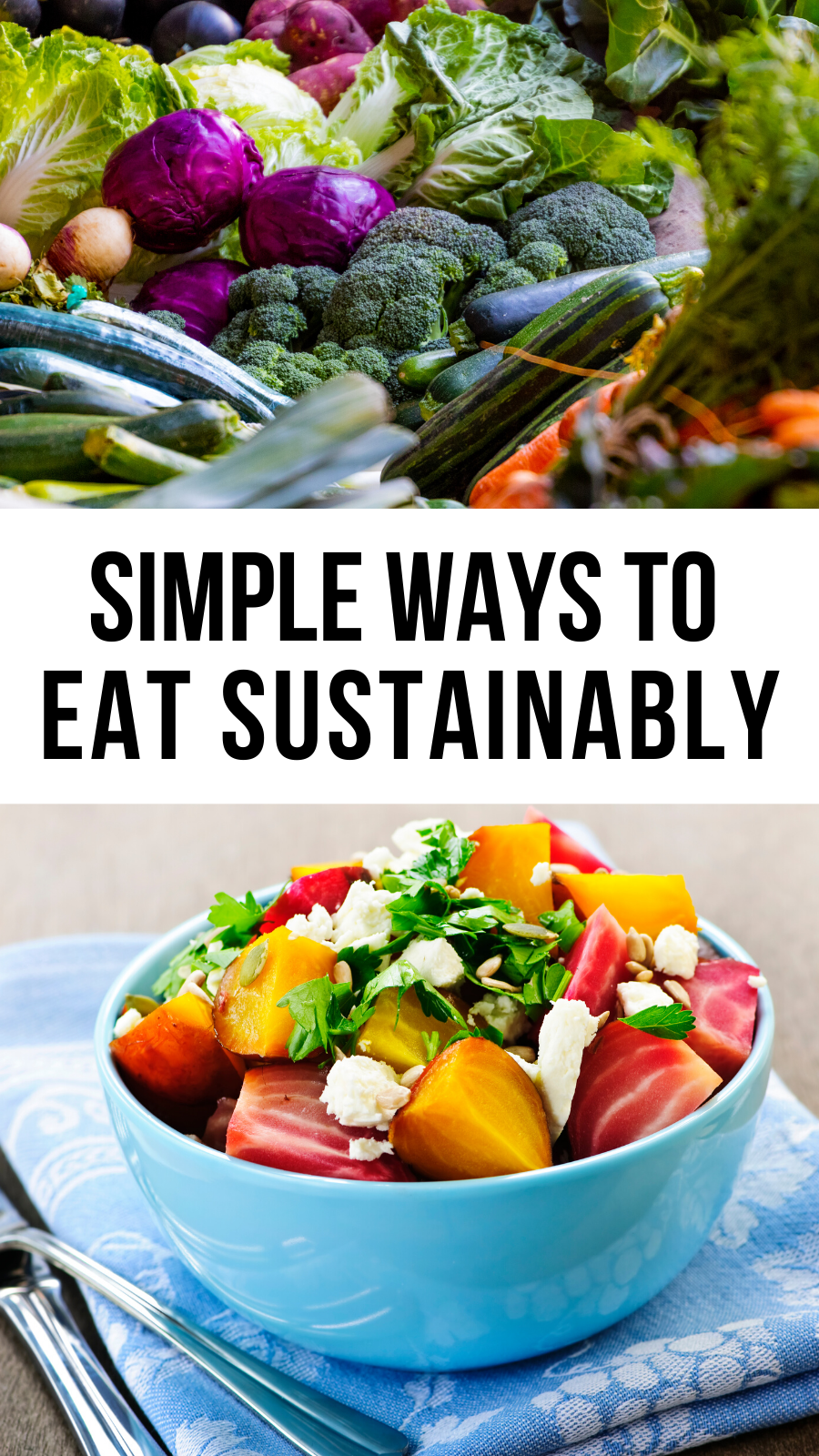
Sustainable Eating Habits and Environmental Impact of Food Choices
The way we eat has a significant impact on the environment. Our food choices affect the world in various ways, from greenhouse gas emissions to deforestation and water pollution. Sustainable eating habits focus on reducing the environmental impact of our food choices while promoting health benefits.
One crucial aspect of sustainable eating habits is choosing locally sourced foods. Eating food grown within your community reduces transportation emissions and supports local farmers who use sustainable farming practices. In addition, purchasing seasonal produce ensures that you are getting fresh, nutrient-dense foods that don’t require excessive storage or transportation.
Another important consideration is reducing meat consumption. Livestock farming contributes significantly to greenhouse gas emissions, land degradation, and water pollution. While it may be challenging for some people to adopt a plant-based diet entirely, consuming less meat can have a positive impact on both personal health and the environment.
Eating organic foods also helps reduce harmful pesticides’ use while supporting farmers who prioritize soil quality and biodiversity conservation practices. Organic produce contains fewer synthetic chemicals than conventional crops, which means fewer toxins in our bodies when consumed.
Reducing waste is another crucial step towards sustainable eating habits. By planning meals ahead of time and only buying what you need at grocery stores or markets, you can avoid unnecessary packaging materials that contribute to landfill waste generation.
In conclusion, adopting sustainable eating habits goes beyond personal health benefits; it’s an essential step towards protecting the planet’s well-being too. By choosing locally sourced foods, limiting meat consumption, prioritizing organic options while reducing waste generation through proper meal planning – we can all make small yet impactful changes towards building a more sustainable future for ourselves and generations to come!

Leave a Reply