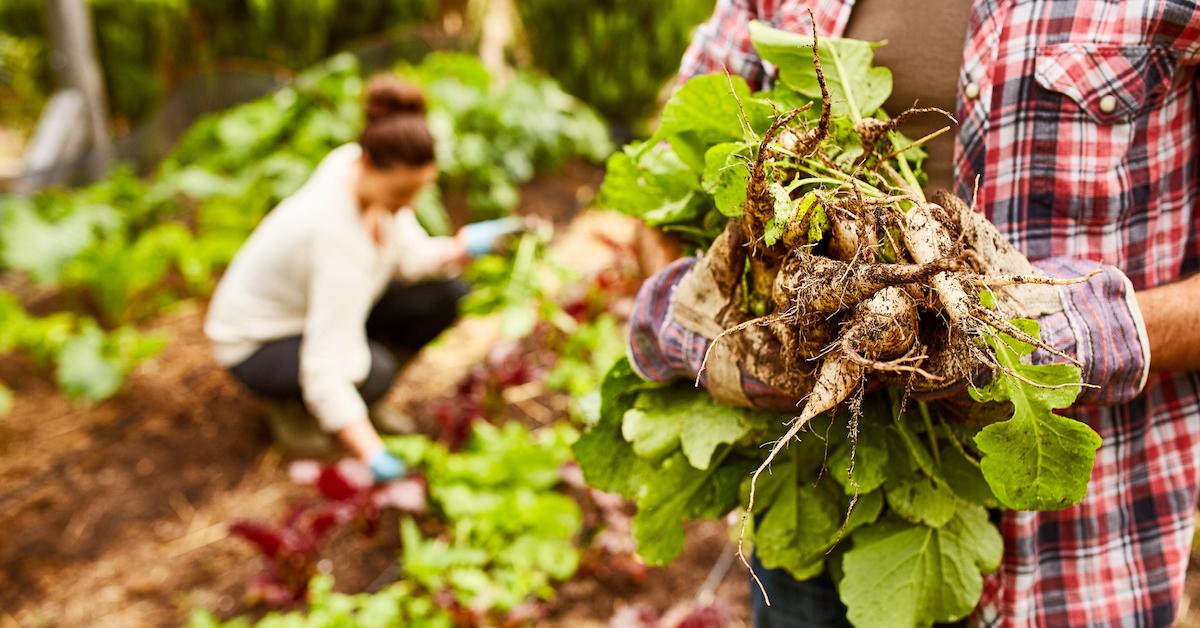
Sustainable agriculture is an important concept that has gained a lot of attention in recent years. It is a way of farming that focuses on using resources in a responsible and efficient manner, while also ensuring that the land remains healthy for future generations.
One of the key components of sustainable agriculture is crop rotation. This involves growing different crops in different fields each year, which helps to maintain soil fertility and prevent the buildup of pests and diseases. By rotating crops, farmers are able to reduce their reliance on synthetic fertilizers and pesticides, which can have negative impacts on both human health and the environment.
Another important aspect of sustainable agriculture is conservation tillage. This involves leaving crop residues on the soil surface rather than tilling them into the ground. This helps to reduce erosion, improve water retention, and increase soil organic matter levels. Additionally, it can help to sequester carbon in the soil, which can help mitigate climate change.
Sustainable agriculture also emphasizes the use of natural pest management techniques such as integrated pest management (IPM). IPM involves monitoring pest populations carefully and using a combination of cultural practices, biological controls (such as beneficial insects), and targeted use of pesticides only when necessary.
In addition to these specific practices, sustainable agriculture also promotes overall ecosystem health by maintaining habitat for wildlife species such as pollinators and birds. This includes planting hedgerows or other types of vegetation around fields to provide food and shelter for these animals.
There are many benefits associated with sustainable agriculture beyond just environmental stewardship. For example, because it relies less heavily on external inputs like fertilizers and pesticides, it can be more cost-effective for farmers in certain situations. Additionally, studies have shown that sustainably produced foods may be more nutritious than conventionally produced foods due to their higher levels of antioxidants.
Of course, transitioning from conventional farming methods to sustainable ones can be challenging for many farmers who may lack knowledge or resources about how best to implement these practices. However, there are many organizations and programs available to help support farmers who want to make the switch. For example, the USDA’s Natural Resources Conservation Service offers technical assistance and financial incentives for farmers looking to adopt sustainable practices.
In conclusion, sustainable agriculture is a crucial concept that plays an important role in promoting both environmental and human health. By adopting practices like crop rotation, conservation tillage, IPM, and habitat preservation, farmers can reduce their impact on the environment while also potentially improving their bottom line. While making the transition may be challenging at first, it is ultimately a worthwhile investment in our collective future.

Leave a Reply