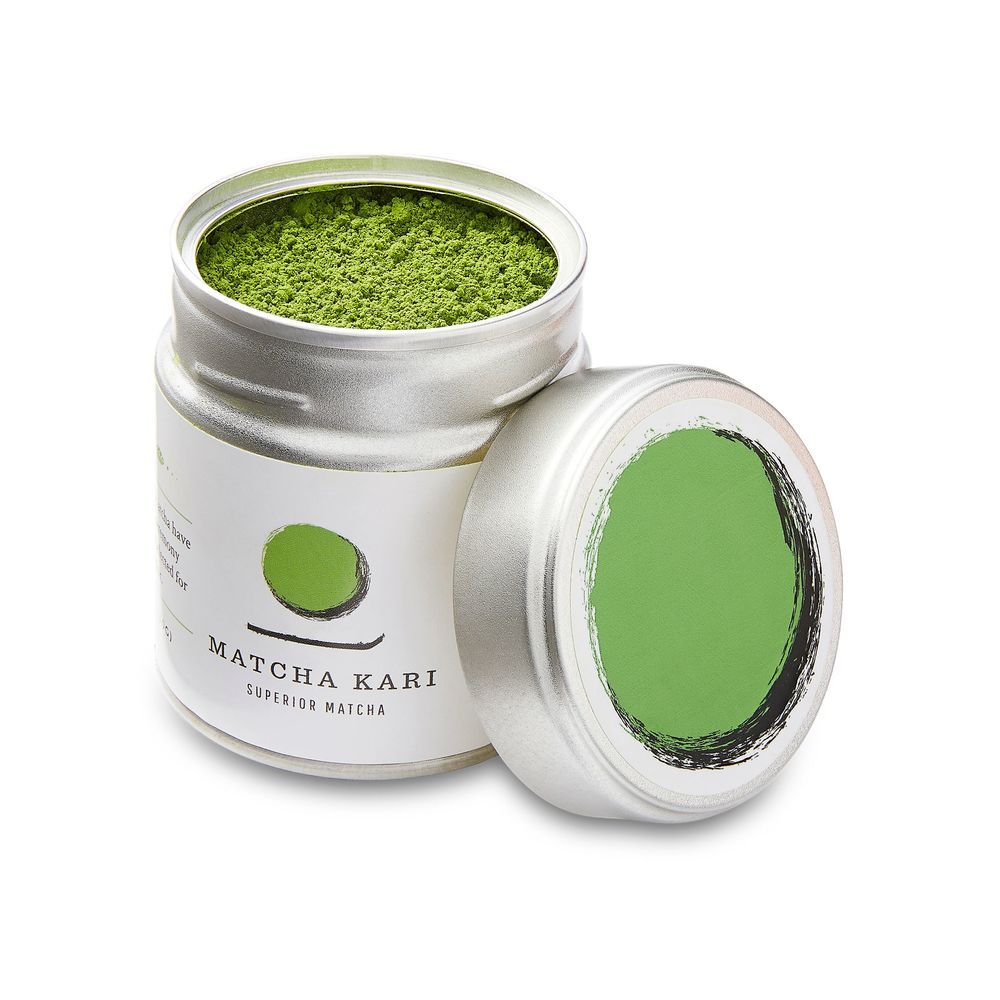
Ceremonial grade matcha, also known as the highest quality of matcha tea available, has become increasingly popular in recent years due to its numerous health benefits. This premium quality green tea powder is made from shade-grown tea leaves that are carefully hand-picked and ground into a fine powder. Unlike other types of green tea, ceremonial grade matcha provides a concentrated dose of antioxidants and other health-promoting compounds that may help improve overall wellbeing.
In this article, we will discuss eight reasons why you should consider adding ceremonial grade matcha to your daily routine.
1. High in Antioxidants
Matcha is packed with antioxidants that can help protect your body against harmful free radicals. One study found that the antioxidant activity of matcha was up to 137 times higher than other types of green tea (1). These powerful antioxidants can neutralize free radicals before they cause damage to cells and tissues within the body.
2. Boosts Energy Levels
Ceremonial grade matcha contains caffeine and an amino acid called L-theanine which work together to provide a sustained energy boost without the jittery side effects commonly associated with coffee or energy drinks. The amino acid L-theanine promotes relaxation while also improving mental clarity, focus, and memory.
3. Supports Weight Loss
Matcha has been shown to increase metabolism and aid in weight loss by promoting fat oxidation (the process by which fat molecules are broken down into smaller components) (2). Additionally, drinking matcha before a workout can help enhance endurance and burn more calories during exercise.
4. Promotes Relaxation
The same compound mentioned above called L-theanine not only helps promote mental clarity but also has calming properties that promote relaxation without causing drowsiness (3). In addition, consuming ceremonial grade matcha regularly may reduce stress levels over time.
5. Detoxifies the Body
Matcha contains chlorophyll which gives it its vibrant green color. Chlorophyll is a natural detoxifier that can help remove harmful toxins and heavy metals from the body (4). Furthermore, matcha contains catechins, which are powerful antioxidants that have been shown to support liver function and promote detoxification.
6. Boosts Immunity
Matcha contains high levels of epigallocatechin gallate (EGCG), a type of antioxidant known for its immune-boosting properties. EGCG has been found to enhance the activity of white blood cells in the body, helping to fight off viruses and other pathogens (5).
7. Improves Heart Health
Studies have shown that consuming green tea regularly can improve heart health by reducing LDL cholesterol levels (the “bad” cholesterol) while increasing HDL cholesterol levels (the “good” cholesterol) (6). Additionally, the high antioxidant content in matcha helps protect against oxidative stress which is linked to an increased risk of cardiovascular disease.
8. Enhances Skin Health
Ceremonial grade matcha is rich in polyphenols which are plant compounds known for their anti-aging benefits. Polyphenols help protect against skin damage caused by UV radiation and environmental pollutants while also supporting collagen production which improves skin elasticity and reduces wrinkles.
Conclusion:
From promoting relaxation to boosting immunity, ceremonial grade matcha offers numerous benefits for overall wellbeing. Whether you enjoy it as a hot or iced tea or add it to smoothies or baked goods, incorporating this premium quality green tea powder into your daily routine is an easy way to reap its many health-promoting properties.
References:
(1) https://www.ncbi.nlm.nih.gov/pubmed/14518774
(2) https://www.ncbi.nlm.nih.gov/pmc/articles/PMC2855614/
(3) https://www.ncbi.nlm.nih.gov/pubmed/18296328
(4) https://www.ncbi.nlm.nih.gov/pmc/articles/PMC6213777/
(5) https://www.ncbi.nlm.nih.gov/pmc/articles/PMC6197816/
(6) https://www.ncbi.nlm.nih.gov/pubmed/16840650

Leave a Reply