Vegetarianism and the Environment
The food choices we make have a significant impact on our health and the environment. Vegetarianism is a lifestyle that has gained popularity in recent years due to its numerous benefits, including better health, animal welfare, and environmental conservation.
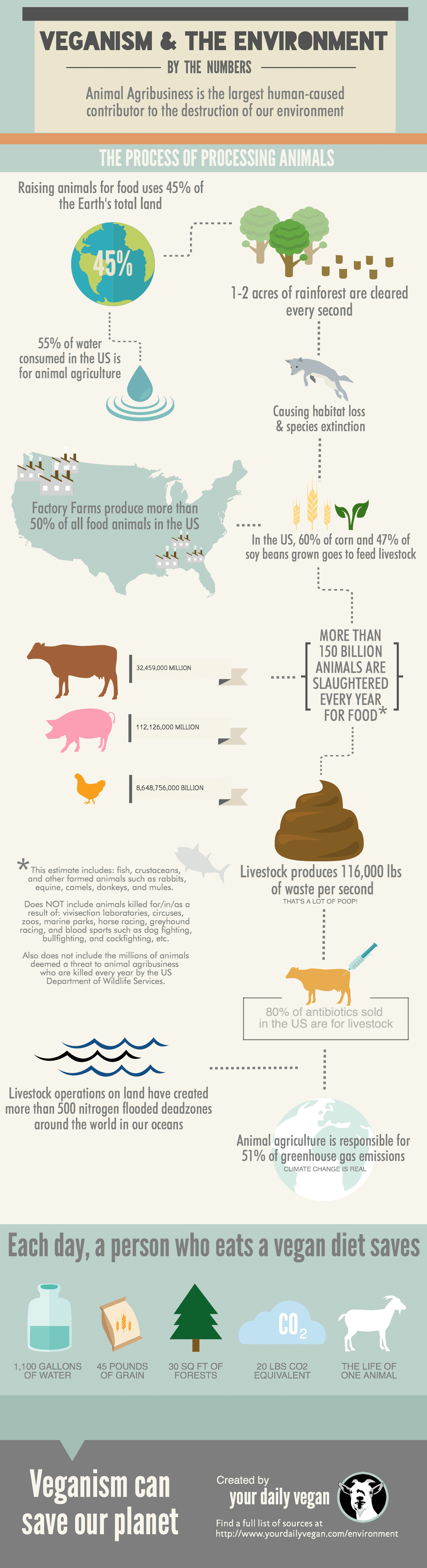
One of the most significant advantages of vegetarianism is its positive impact on the environment. The meat industry is responsible for 18% of greenhouse gas emissions globally, which contribute to climate change. Animal agriculture also requires large amounts of water and land resources to produce feed crops, transport animals, and process meat products.
By choosing a plant-based diet, individuals can reduce their carbon footprint significantly. Studies show that vegetarians emit half as much greenhouse gases as those who consume an average American diet with meat products. Additionally, reducing reliance on animal agriculture could also lead to less deforestation since vast areas are cleared for livestock grazing or farming.
Furthermore, shifting towards vegetarianism can help conserve freshwater resources since about 15% of global water consumption goes towards animal production. This shift would not only benefit humans but also wildlife habitats that depend on freshwater sources.
Lastly, adopting a plant-based diet could lead to reduced use of pesticides and fertilizers in agricultural practices. These chemicals often find their way into groundwater systems through runoff leading to pollution problems that affect both human health and aquatic ecosystems.
In conclusion, vegetarianism presents an opportunity for individuals to make more sustainable food choices that promote environmental conservation while improving their health at the same time. By embracing this lifestyle choice or reducing meat consumption even if it’s just once a week through Meatless Monday’s initiatives can significantly contribute towards mitigating climate change impacts while conserving natural resources like water bodies needed by both humans and wildlife alike.

Leave a Reply