Wheatgrass for Digestion: The Benefits and How to Consume It
Wheatgrass is a nutrient-rich grass that has been used for medicinal purposes for centuries. Its popularity has increased in recent years due to its numerous health benefits, including aiding digestion. In this article, we will delve into the digestive benefits of wheatgrass and how to incorporate it into your diet.
Firstly, wheatgrass is an excellent source of fiber which helps regulate bowel movements and relieve constipation. Fiber adds bulk to the stool, making it easier to pass through the intestines. This can prevent bloating and discomfort caused by constipation. Additionally, fiber promotes healthy gut bacteria which aids in digestion overall.
Furthermore, wheatgrass contains enzymes that help break down food in the stomach. These enzymes include protease which breaks down protein, amylase which breaks down carbohydrates, and lipase which breaks down fats. When these enzymes are lacking in the body or when there is not enough stomach acid produced during digestion, food cannot be broken down effectively leading to indigestion or heartburn.
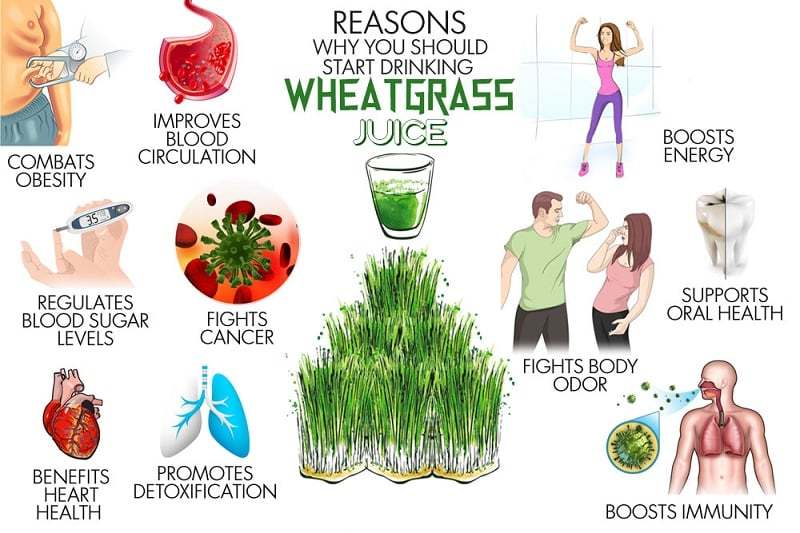
In addition to its digestive benefits, wheatgrass also contains chlorophyll which acts as a natural detoxifier in the body. Chlorophyll cleanses the liver and colon while also aiding in blood circulation throughout the body.
Now that you know about some of the potential digestive benefits of consuming wheatgrass let’s talk about how you can consume it yourself! Wheatgrass can be purchased as a powder or juice at most health food stores or online retailers. If purchasing powder form mix one tablespoon with water or another liquid such as almond milk or coconut water then drink immediately after mixing together well so all particles are blended smoothly together without leaving any chunks behind; if buying juice simply pour over ice cubes before drinking straight up cold!
One thing worth noting is that despite these many advantages offered by incorporating wheat-grass into your diet you should always consult with your doctor prior adding it to your diet especially if you have any medical conditions or are taking certain medications.
In conclusion, wheatgrass is a great addition to any diet for those seeking digestive benefits and overall wellness. As always, be sure to consult with your doctor before adding anything new to your diet, but we hope this article has given you some insight into the potential benefits of consuming wheatgrass!

Leave a Reply