Calorie Counting: Is It Really the Best Way to Monitor Your Diet?
When it comes to achieving and maintaining a healthy weight, diet is key. With so many diets and eating plans out there, it can be difficult to know which one is right for you. Calorie counting has long been touted as one of the most effective ways to monitor your diet and manage your weight. But is it really the best way? In this article, we’ll explore what calorie counting entails, its benefits and drawbacks, as well as other methods of tracking your food intake.
What is Calorie Counting?
Calorie counting involves keeping track of how many calories you consume throughout the day in order to maintain or lose weight. The basic idea is that if you burn more calories than you consume, you will lose weight; if you consume more than you burn, you will gain weight. To count calories accurately, individuals must first determine their daily caloric needs based on factors such as age, gender, height, weight and activity level.
Once daily caloric needs have been established using an online calculator or consulting with a nutritionist or dietician (for those with specific health concerns), individuals can then begin monitoring their food intake by reading labels and recording everything they eat throughout the day in a food diary or mobile app.
Benefits of Calorie Counting
One of the main benefits of calorie counting is that it provides a clear picture of how much food an individual consumes each day. This helps people understand where excess calories are coming from so they can make healthier choices about what they eat. For example, someone who regularly eats fast food might be shocked at how many calories they’re consuming once they start keeping track.
In addition to helping people become more aware of their eating habits overall, calorie counting may also provide motivation for making healthier choices. Knowing exactly how many calories are in different foods can help individuals make informed decisions when faced with multiple options. For example, a person who wants to indulge in dessert may opt for a lower calorie option if they know how many calories are in each choice.
Drawbacks of Calorie Counting
While calorie counting can be helpful for some people, it’s important to note that it does have some drawbacks. One major drawback is that it can be time-consuming and difficult to maintain over the long term. Recording everything you eat takes time and effort, which can become tedious after a while.
In addition, calorie counting doesn’t take into account the quality of the food being consumed. For example, someone could consume their entire daily caloric allotment in junk food and still lose weight (although this would not constitute healthy eating). This means that individuals who rely solely on calorie counting may miss out on important nutrients found in whole foods like fruits, vegetables and lean proteins.
Finally, some studies suggest that calorie counting may contribute to an unhealthy focus on numbers rather than overall health. Obsessing over every single calorie consumed can lead to disordered eating patterns or feelings of guilt when “cheating” or deviating from strict guidelines.
Alternative Methods of Tracking Food Intake
For those who find traditional calorie counting too cumbersome or otherwise unappealing (or downright stressful), there are other methods for keeping track of what you eat:
– Portion control: Rather than tracking exact calories consumed throughout the day, portion control involves using visual cues (like measuring cups or your hand) to ensure you’re eating appropriate amounts at each meal.
– Mindful Eating: Mindful eating involves paying close attention to hunger and fullness cues during meals as well as savoring flavors, textures and aromas without distractions.
– The Plate Method: The plate method involves dividing your plate into specific sections based on recommended serving sizes for different food groups such as protein sources like meat or legumes; grains such as rice or pasta; vegetables; fruit; and healthy fats.
Conclusion
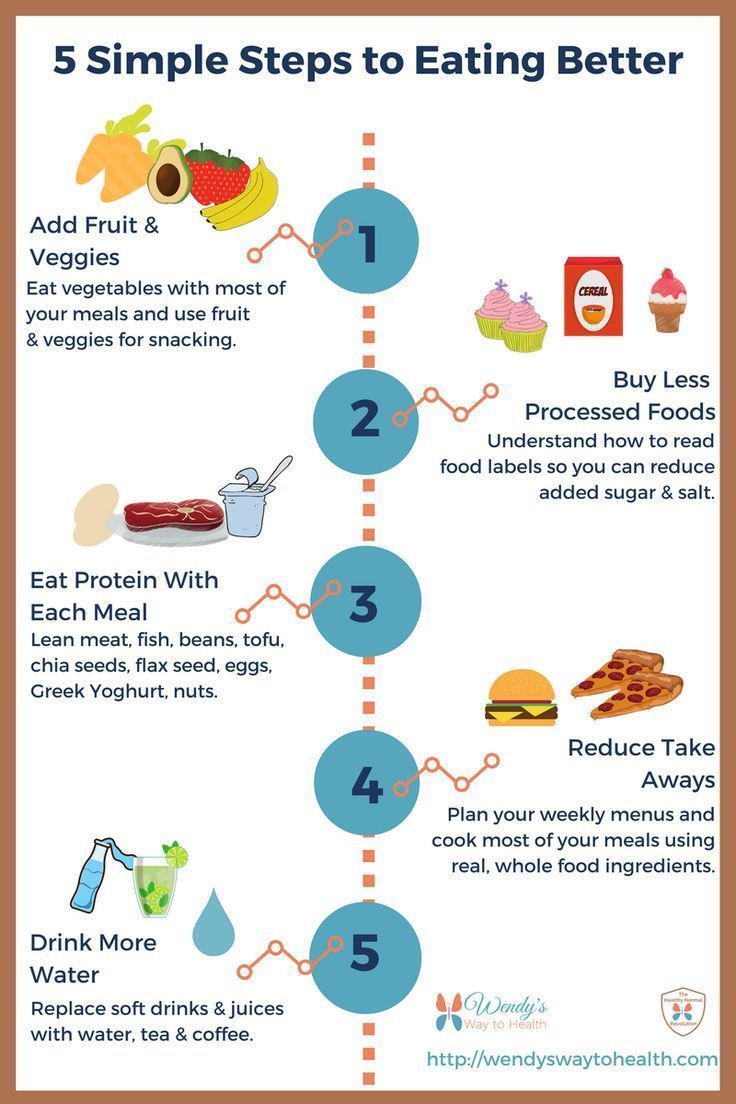
While calorie counting can be a helpful tool for some individuals looking to lose or manage their weight, it’s not the only option. Portion control, mindful eating and the plate method are all viable alternatives that focus more on overall health than strict adherence to exact calorie counts. Regardless of which method you choose, it’s important to remember that eating well is about more than just numbers – it’s about nourishing your body with nutrient-dense foods while also enjoying the experience of eating.

Leave a Reply