Organic Farming: A Healthier and Sustainable Way of Eating
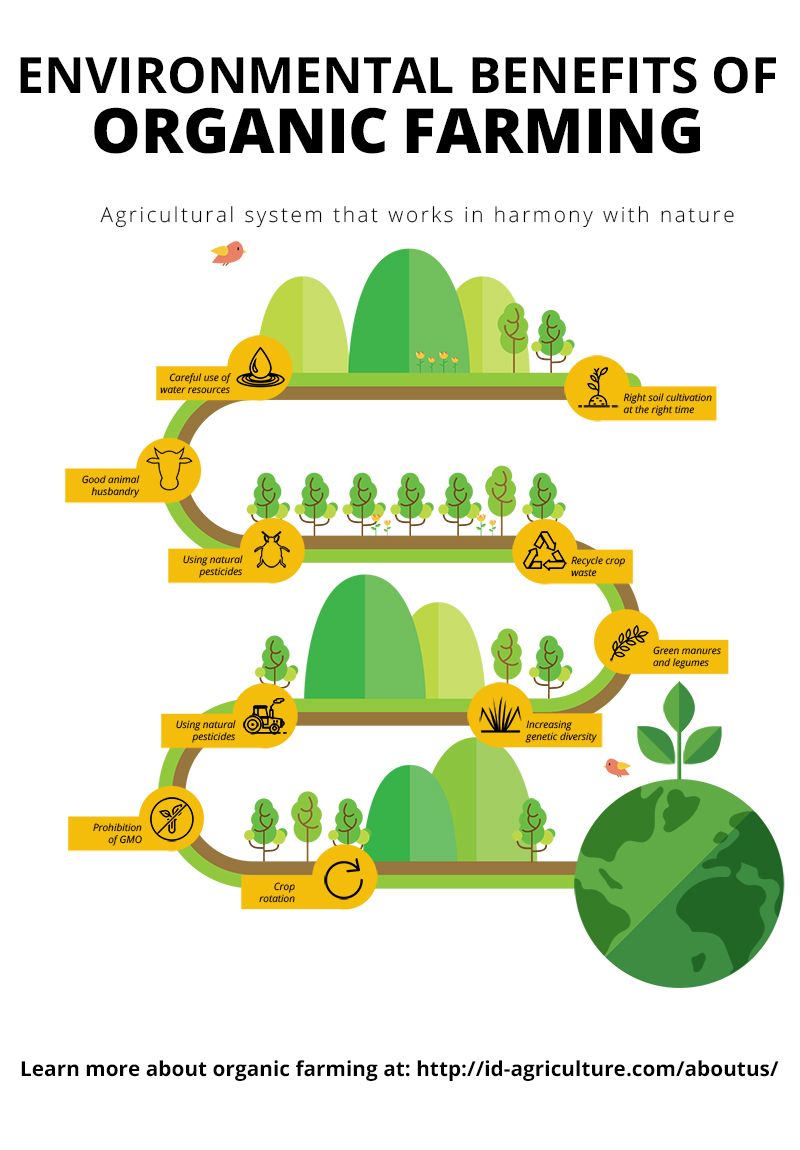
Organic farming is a sustainable method of agriculture that promotes the use of natural resources instead of synthetic inputs like pesticides and fertilizers. It also focuses on preserving soil fertility, reducing pollution, promoting biodiversity, and improving animal welfare.
The concept of organic farming dates back to the early 20th century when farmers began questioning the negative impacts of industrialized agriculture. The term “organic” was first coined by Lord Northbourne in his book “Look to the Land” published in 1940. Since then, organic farming has gained popularity globally as people become more conscious about their health and environmental sustainability.
In this article, we will explore the benefits and challenges of practicing organic farming.
Benefits
1. Better Nutrition: Organic foods are rich in nutrients such as vitamins, minerals, antioxidants, and phytonutrients that promote good health. Studies have shown that organically grown fruits and vegetables contain higher levels of vitamin C, iron, magnesium, phosphorus than conventionally grown ones.
2. Reduced Exposure to Pesticides: Synthetic pesticides used in conventional agriculture can harm human health by causing cancer or other chronic diseases. Organic farming limits pesticide use to only approved substances derived from natural sources like plants or minerals that pose minimal risks.
3. Improved Soil Fertility: Organic farmers rely on crop rotation techniques to maintain soil fertility naturally without using chemical fertilizers that may cause nutrient depletion over time.
4. Promoting Biodiversity: Organic farms support a diverse range of plants and animals which helps maintain ecological balance while providing habitat for beneficial insects like bees that help pollinate crops.
5. Environmental Protection: By avoiding chemical inputs like synthetic fertilizers or pesticides which pollute waterways or harm wildlife habitats; organic farming protects our environment for future generations to enjoy
Challenges
1.Lower Yields: One major challenge faced by organic farmers is lower yields compared to conventional agriculture. This is because organic farming practices rely on natural resources to maintain soil fertility and control pests which can take longer to achieve.
2. Higher Costs: Organic farming requires more labor-intensive practices than conventional farming, making it more expensive for farmers to produce.
3. Limited Availability: Not all regions or countries have the necessary infrastructure or knowledge to support organic farming, making it harder to access these products in some areas.
4. Quality Control: The lack of standardized guidelines for organic certification makes it difficult for consumers to know whether they are buying truly organic products or not.
5. Vulnerability to Climate Change: Organic farms are vulnerable to climate change since they rely on natural resources like rainfall patterns that may be disrupted by extreme weather events such as droughts or floods.
Tips for Buying Organic Products
1. Always look out for organic labels on food packages.
2. Buy from local farmers’ markets where you can ask questions about their growing methods.
3. Consider seasonal availability when choosing your fruits and vegetables.
4. Choose whole foods instead of processed ones.
5. Be aware that some products may be labeled “natural” but do not always mean they are certified organic.
Conclusion
Organic farming has many benefits over conventional agriculture, including better nutrition, reduced exposure to pesticides, improved soil fertility, promoting biodiversity, environmental protection among others; however there are also challenges faced by farmers practicing this method such as lower yields and higher costs associated with production compared with conventional methods which can make it difficult for them in certain circumstances where demand is limited due factors beyond their control such as global market conditions etc., Nonetheless, the growth of sustainable agricultural practices provides a promising outlook towards healthier food choices while preserving our environment at large scales thus ensuring a brighter future with ample supplies of healthy foods that benefit us all!

Leave a Reply