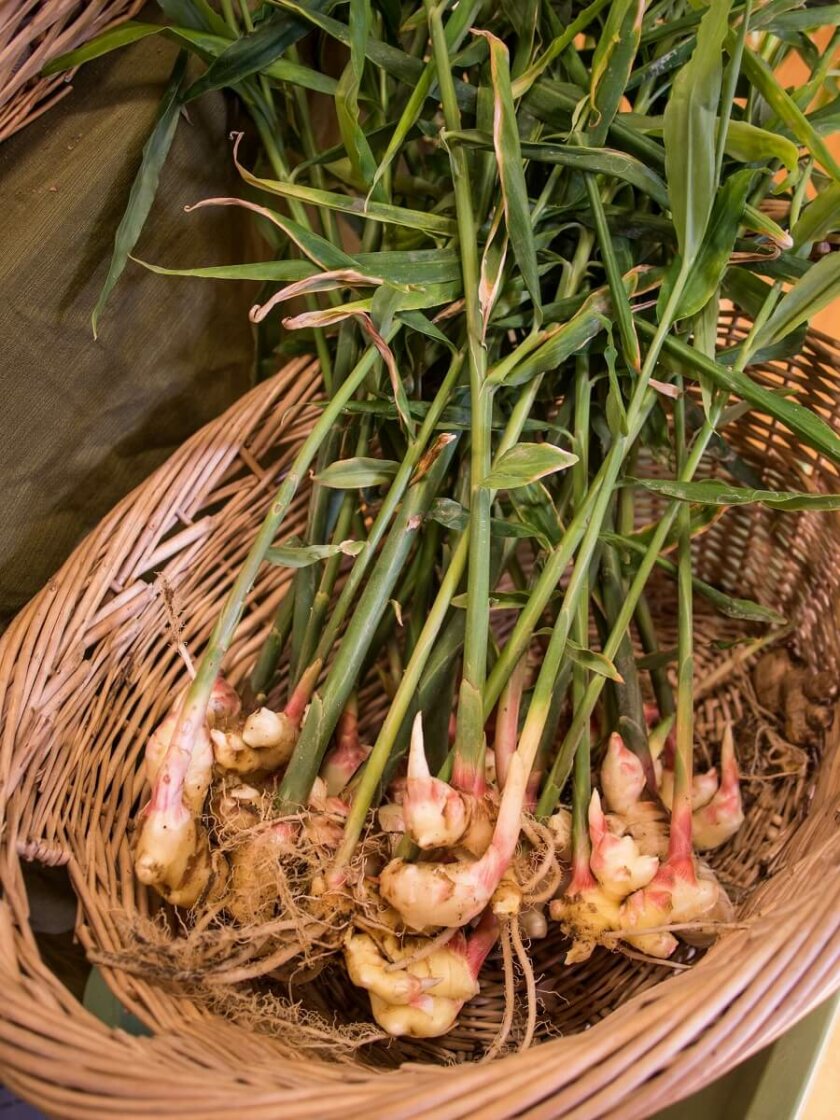
Ginger is a versatile root that has been used for medicinal and culinary purposes for thousands of years. It contains powerful anti-inflammatory and antioxidant compounds that provide numerous health benefits, including improved digestion, reduced inflammation, and better immune function. Growing ginger at home is an excellent way to ensure a fresh supply of this valuable herb.
In this post, we will discuss the best techniques for growing ginger in your garden or indoor space. Ginger can be grown indoors or outdoors depending on your climate zone. However, it prefers warm temperatures with high humidity levels.
Firstly, you need to select healthy ginger rhizomes from a reputable supplier or local nursery. Choose rhizomes with plump buds or eyes and avoid those that are dry or shriveled up. Soak the rhizome in water overnight before planting to improve its chances of sprouting.
Next, prepare the soil by adding organic compost or well-rotted manure to improve fertility and drainage. Ginger prefers loamy soil that is slightly acidic with a pH between 5.5 and 6.5.
Plant the rhizome about two inches deep in the soil with the buds facing up towards the surface. Space them about six inches apart if planting multiple ones in one container/pot/area (depending upon where you’re planning to grow). Water thoroughly after planting but avoid overwatering as it may cause rotting of roots/rhizomes.
Place the container/pot/area in bright indirect sunlight where there is plenty of air circulation but not direct light which might scorch its leaves (if growing indoors) or expose it directly to harsh sunlight which could burn its delicate leaves (if growing outdoors).
Maintain consistent moisture levels during growth by watering regularly but ensuring that excess water drains away from roots/rhizomes otherwise they might start rotting due to excessive moisture/waterlogging conditions.
Mulch around plants using straw/hay/mulching paper to keep moisture levels stable and weed growth at bay. Fertilize the plants with a balanced organic fertilizer once every two months.
As ginger grows, it will produce shoots from the buds on top of the rhizome. These shoots will develop into lush green leaves that can grow up to two feet tall in ideal conditions (depending upon variety). They require regular pruning to maintain their shape and prevent overcrowding.
Harvesting ginger can begin after six months of growth or when the leaves begin to yellow and dry up. Dig up the entire plant using a garden fork, taking care not to damage any of the roots/rhizomes while doing so.
Carefully remove excess soil from around the root mass being gentle enough not to damage its delicate skin. Cut off small pieces as required for cooking or medicinal purposes leaving some behind for regrowth/propagation purposes which would help you have an endless supply without having to buy more rhizomes again.
In conclusion, growing ginger is an easy way to provide yourself with a fresh supply of this valuable herb all year round. With proper care and attention towards watering/fertilizing/mulching/pruning/harvesting techniques mentioned above, your ginger plants should thrive regardless of whether you’re growing them indoors or outdoors!

Leave a Reply