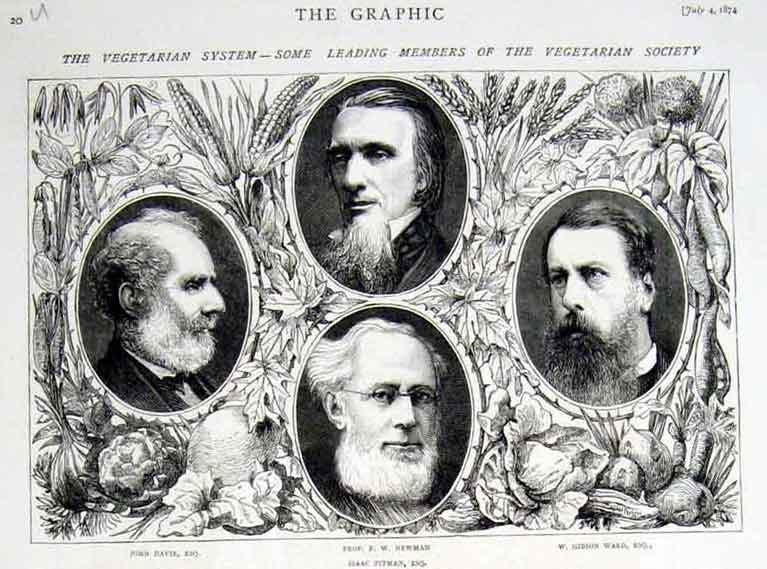
The history of veganism as a social movement began centuries ago. The idea of abstaining from animal products has been around for a long time, and it’s not just about dietary choices. It is also deeply rooted in ethical, environmental, and health concerns.
Historical Background
The origins of veganism can be traced back to the ancient civilizations of India and Greece. In India, vegetarianism was practiced due to religious beliefs that animals are sacred beings that should not be harmed. Similarly, Pythagoras, the Greek philosopher who lived during the 6th century BC also promoted a plant-based diet based on his belief in reincarnation.
However, modern-day veganism as we know it today originated from two key sources – religion and philosophy.
The first significant influence came from the Bible’s Adam & Eve story where God gave them fruits and vegetables to eat but did not allow them to consume meat until after Noah’s ark when God allowed humans to eat meat.
Secondly, philosophers such as Jeremy Bentham in the late 18th century argued for animal welfare by stating that “the question is not whether they can reason nor whether they can talk but whether they can suffer”. This principle became known as ‘utilitarianism’ which advocates equal consideration for all sentient creatures with capacity for pleasure or pain including non-human animals.
Influential Figures
Over time many influential figures have contributed significantly towards promoting veganism worldwide. One notable figure is Donald Watson who coined the term “vegan” in November 1944 while founding The Vegan Society in England along with several other vegans such as Elsie Shrigley (one of The Vegan Society’s first members), Arnold Hills (a wealthy businessman), Leslie J Cross (an educator) amongst others.
Donald Watson created this word by combining “vegetarian” with “-ian,” creating “vegan.” He defined it as “a way of living that seeks to exclude all forms of exploitation and cruelty to animals for food, clothing, or any other purpose.”
Veganism as a Social Movement
The 1960s saw an increase in the popularity of veganism as a social movement. The civil rights movement was in full swing, and people were looking for ways to create change. Veganism gained traction in this time period because it aligns with many key principles of non-violence and anti-oppression.
Animal Welfare
One reason why veganism became popular during this era is that people started understanding how animal agriculture negatively impacts animal welfare. The book Animal Liberation published by Peter Singer in 1975 played a significant role in raising awareness about the ethical concerns related to factory farming.
Environmental Concerns
As environmental concerns grew more pressing throughout the late 20th century, veganism became increasingly popular due to its potential positive impact on the planet. Animal agriculture is responsible for a significant amount of greenhouse gas emissions globally which are contributing towards climate change.
Health Benefits
In addition to ethical and environmental concerns, health benefits associated with plant-based diet also gained wider recognition during this time period. This idea was fueled by scientific research that suggested that vegans have lower rates of heart disease and cancer than meat-eaters.
Today’s Vegan Movement
Today’s vegan movement has evolved beyond just dietary choices but encompasses more comprehensive lifestyle changes such as using cruelty-free products free from animal testing or sourcing materials without harming animals. Social media platforms like Instagram have been instrumental in promoting veganism worldwide by offering access to extensive resources such as recipes, blogs and support groups online.
There is no denying that veganism has come a long way since its inception. It has become one of the most effective ways we can combat climate change while also standing up against animal cruelty – both essential components necessary if we want our world to be sustainable for generations ahead.
Conclusion:
Veganism may seem like a new trend today, but it has been around for centuries. The idea of abstaining from animal products has ethical, environmental and health concerns that have gained more recognition in recent times. The vegan movement has evolved beyond just dietary choices, and people are now making conscious decisions about the impact their lifestyle choices have on the environment and animals. Today’s veganism is a social movement driven by compassion towards all living beings, sustainable living practices and promotion of healthy lifestyles.

Leave a Reply