As the vegan movement continues to grow, more and more people are looking for ways to incorporate plant-based foods into their diets. Fortunately, there has never been a better time to be vegan. With so many delicious and nutritious options available, it’s easier than ever to eat well while still respecting animal welfare.
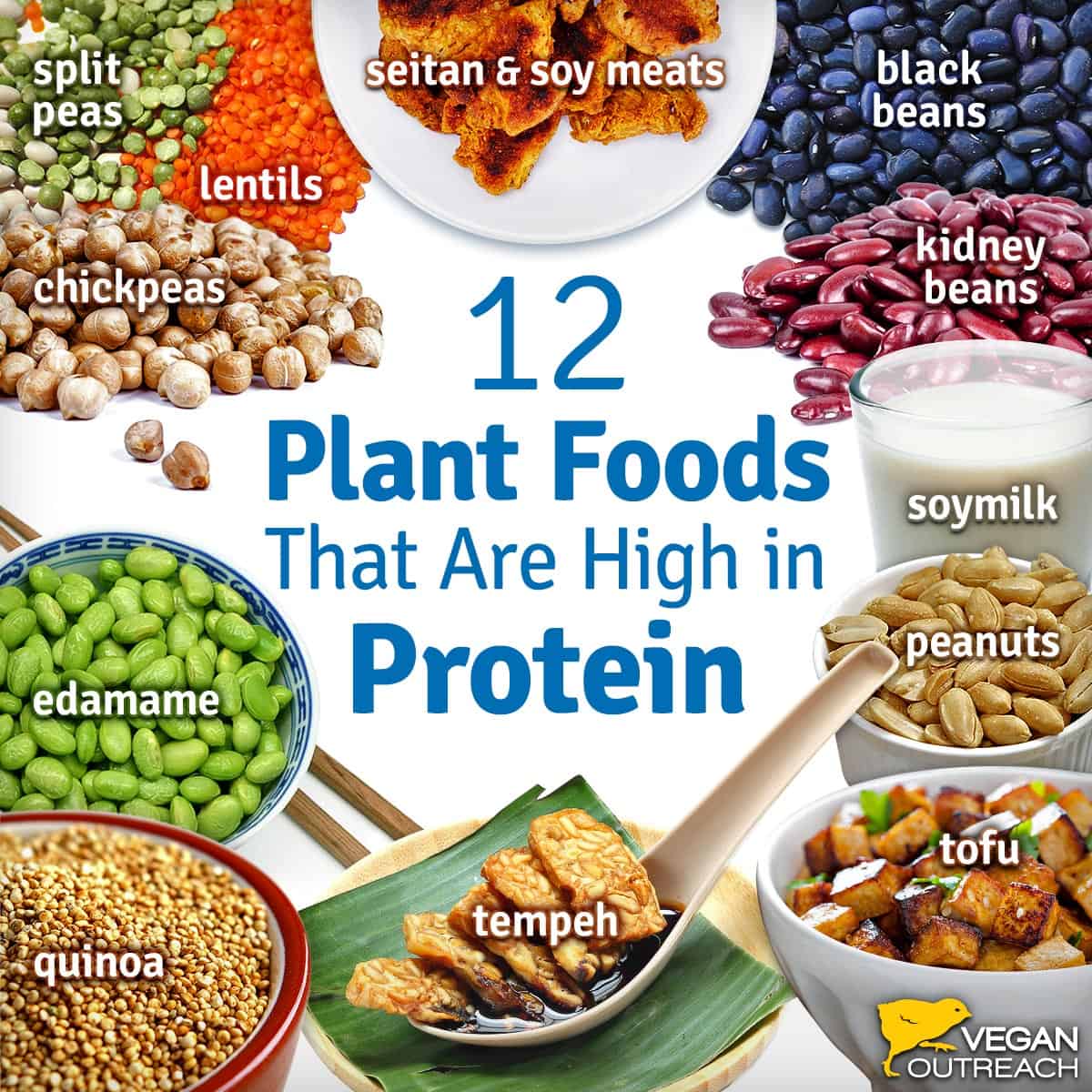
One of the biggest challenges that vegans face is finding good sources of protein. While some people believe that plant-based proteins aren’t as complete or high-quality as animal proteins, this simply isn’t true. In fact, many plant-based foods are packed with protein and other essential nutrients.
One great example is tofu. Made from soybeans, tofu is an excellent source of protein, iron, and calcium. It’s also incredibly versatile – you can use it in everything from stir-fries to smoothies.
Another great source of protein for vegans is lentils. These legumes are rich in fiber and antioxidants as well as being a good source of iron and folate. They’re also incredibly easy to cook with – just add them to soups or stews for a hearty meal.
Nuts and seeds are another excellent choice for vegans looking for protein-rich foods. Almonds, cashews, pumpkin seeds, sunflower seeds – all these nuts contain plenty of healthy fats as well as vitamins and minerals like B-vitamins and magnesium.
Of course, getting enough protein isn’t the only concern when it comes to vegan-friendly food choices; you also want to make sure that your diet includes plenty of other essential nutrients like vitamins A & C omega-3 fatty acids.
One way to do this is by eating lots of leafy greens like kale or spinach which provide plenty of vitamins A & C along with other important micronutrients such as calcium & iron – both key components in any healthy vegan diet!
Another great way to get Omega-3s (which can be harder for vegans) is through plant-based sources such as flaxseed or chia seeds. These can be added to smoothies, breakfast bowls, and even baked into your favorite vegan dessert recipes.
When you’re following a vegan diet, it’s important to think about what you’re eating in terms of balance. Eating a variety of fruits and vegetables along with other nutrient-dense foods like whole grains will help ensure that you’re getting all the vitamins and minerals your body needs to thrive.
One food group that many people overlook when they go vegan is carbohydrates. While it’s true that some carbs can be unhealthy (think refined flour or sugar), there are plenty of healthy carb options out there too.
Whole grains like quinoa, brown rice, and oats are excellent sources of complex carbohydrates that provide long-lasting energy throughout the day. Plus, they’re packed with fiber which is essential for maintaining good digestive health.
In addition to these staples in any healthy diet; when you go vegan there may be some things you’ll need to start incorporating more often – such as fortified non-dairy milk alternatives containing calcium & vitamin D- but don’t worry! There are so many great choices available nowadays from almond milk to soy milk and beyond!
Another thing to keep in mind when going vegan-friendly is finding ways to substitute animal products without sacrificing flavor or texture. Fortunately, there are plenty of plant-based substitutes available.
For example, if you love cheese but want to avoid dairy products altogether – try nutritional yeast flakes! They add a delicious cheesy flavor without any animal byproducts involved at all!
Similarly; if you crave meaty dishes try using jackfruit as an alternative protein source instead – this fruit has been gaining popularity for its ability to mimic pulled pork perfectly & works great in tacos or sandwiches alike!
Of course, not everyone wants or needs substitutes – sometimes natural flavors just hit the spot (and really aren’t necessary). This is especially true when cooking with seasonal produce – the taste is so fresh & delicious on its own, that it doesn’t need much seasoning at all!
When you’re eating a vegan diet, it’s also important to pay attention to what you drink. Many common beverages like sugary sodas or even some fruit juices can be loaded with added sugars and other unhealthy ingredients.
Instead, try drinking more water or herbal tea to stay hydrated throughout the day. And if you’re looking for something a little more interesting, there are plenty of delicious plant-based milk alternatives available too – from almond milk to coconut milk and beyond!
One thing worth noting: as with any dietary change, going vegan requires some preparation and planning ahead. It may take some time to adjust your shopping habits and learn new recipes; but once you get the hang of it – we promise you’ll never look back!
In conclusion; being vegan-friendly isn’t just about avoiding animal byproducts; it’s about making health-conscious choices that reflect our values towards sustainability & compassion towards animals alike. With an abundance of nutrient-rich foods available today such as tofu, lentils & nuts- transitioning into this lifestyle has never been easier! So why not give it a try?

Leave a Reply