Gluten-free diets have become increasingly popular in recent years, with more and more people opting for gluten-free products. While it may seem like a simple choice to make, there are some ethical considerations that should be taken into account when sourcing gluten-free products. In this post, we will explore the importance of ethical sourcing for gluten-free products.
What is Ethical Sourcing?
Ethical sourcing refers to the process of ensuring that products are sourced in a way that is environmentally sustainable and socially responsible. Ethical sourcing takes into account the impact that production has on workers, communities, and the environment. It also involves working with suppliers who uphold ethical standards in their own operations.
Why is Ethical Sourcing Important for Gluten-Free Products?
The demand for gluten-free products has increased significantly over the past few years. This demand has led to an increase in production and manufacturing of these products. However, this increase in production can have negative consequences if not done ethically.
One of the key concerns associated with unethical sourcing practices is environmental damage caused by intensive farming practices or other unsustainable methods used to produce ingredients used in gluten-free foods such as rice flour or cornstarch.
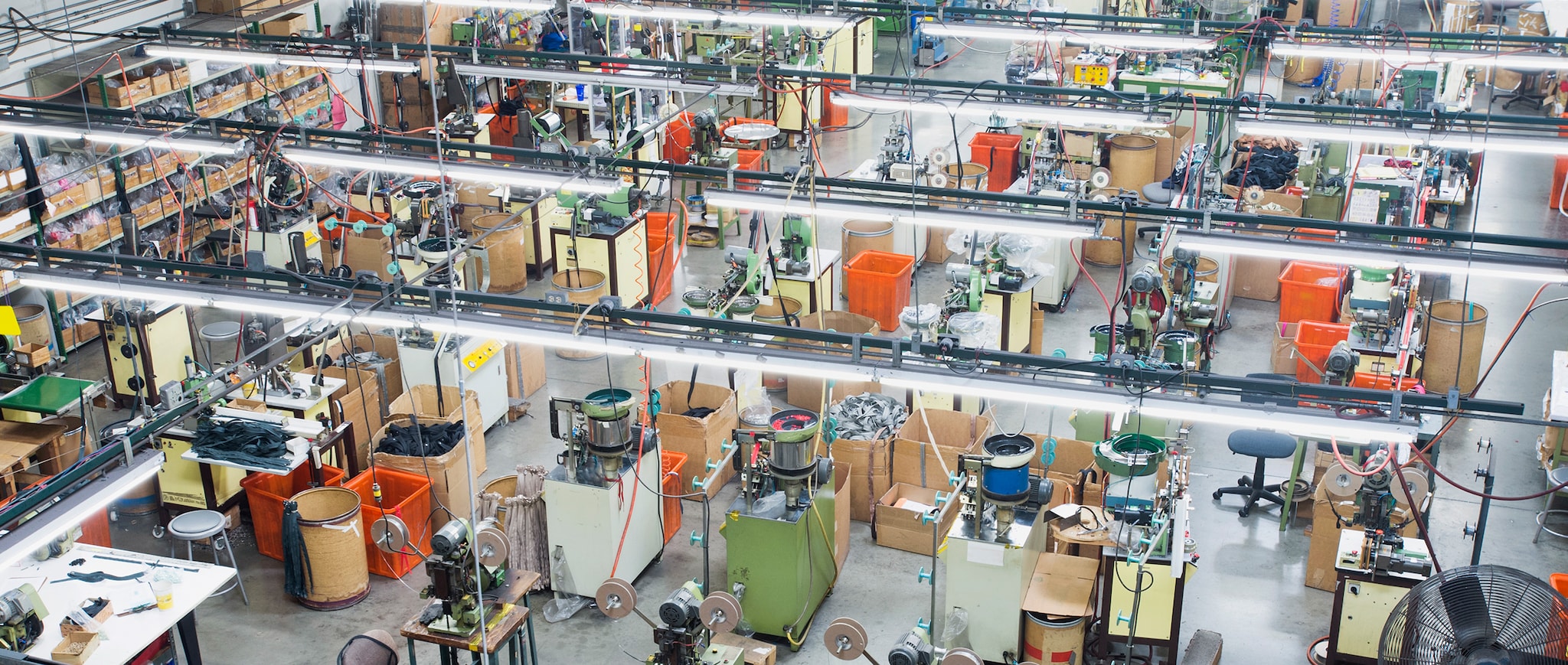
Moreover, there’s often concern about worker exploitation within supply chains – particularly those based overseas where labor laws may be less stringent than they are at home – which can lead to low wages or poor working conditions among employees involved in food production processes itself.
How Can Consumers Ensure They Are Purchasing Ethically-Sourced Gluten-Free Products?
There are several things consumers can do to ensure they are purchasing ethically-sourced gluten-free products:
1) Research Brands: Do your research on brands before making a purchase decision. Look out for information regarding sustainability initiatives and commitments towards fair trade practices.
2) Check Certifications: Look out for labels indicating certifications from reputable organizations such as Fairtrade International or Rainforest Alliance Certified™
3) Purchase Locally-Grown Produce Whenever Possible: Locally grown produce is often produced in more sustainable ways and has a lower environmental impact than food that’s been transported long distances.
4) Understand the Supply Chain: Be aware of where your food comes from, who produces it, and how it gets to you. This can help you make informed purchasing decisions that align with your values.
5) Support Small Farmers: Consider supporting small farmers or producers who prioritize ethical practices over profit margins.
What Brands are Leading The Way In Ethical Sourcing for Gluten-Free Products?
Several brands are leading the way in ethical sourcing for gluten-free products. Here are three examples:
1) Bob’s Red Mill – Bob’s Red Mill is known for its wide range of gluten-free flours and baking mixes. The company sources all of its ingredients from organic farms whenever possible, ensuring that they meet strict sustainability standards throughout their entire supply chain.
2) Enjoy Life Foods – Enjoy Life Foods specializes in allergy-friendly foods including a variety of vegan and gluten-free snacks. The company prioritizes transparency within its supply chain which includes direct relationships with suppliers to ensure the quality of products while maintaining high labor standards.
3) Nature’s Path – Nature’s Path offers a range of certified organic and non-GMO breakfast foods such as cereals, granola bars, waffles, and oatmeal among others. With an emphasis on sustainability practices at every level from packaging to production methods along with fair trade partnerships makes them one of the top choices when it comes to ethically sourced gluten-free products.
Conclusion
In conclusion, ethical sourcing plays an important role when it comes to producing gluten-free products sustainably without compromising human rights or damaging our planet’s natural resources. As consumers continue to demand more sustainable options across different product categories like food items- companies need to keep up by taking responsibility towards implementing eco-friendly business practices into their operations so that we can work together towards creating a better future for everyone involved.

Leave a Reply