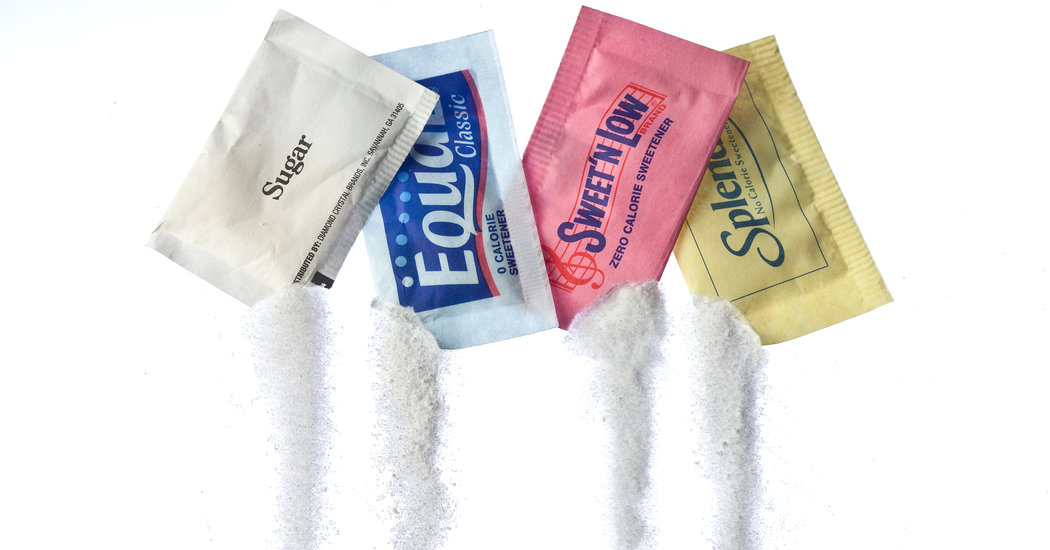
Artificial sweeteners are becoming increasingly popular, and they have been around for quite some time. As the name suggests, these are artificial substances that can be used to sweeten food products without adding any calories. They come in different forms such as powders, syrups or tablets and commonly used as a substitute for sugar.
The first artificial sweetener was discovered in 1878 by a chemist named Constantin Fahlberg who accidentally spilled an unknown substance on his hand while working in the laboratory. Later he realized that it was saccharin which is one of the earliest known artificial sweeteners. Saccharin has been widely used since then and is still being used today.
Other than saccharin, there have been other artificial sweeteners developed over the years such as aspartame, sucralose, neotame and acesulfame-K among others. All these substitutes come with their own advantages and disadvantages depending on how they are utilized.
Aspartame is one of the most common artificial sweeteners found in diet drinks like Coke Zero and Pepsi Max. It’s about 200 times sweeter than sugar but doesn’t contain any calories making it ideal for people trying to lose weight or those with diabetes.
Sucralose is another common type of low-calorie sweetener that tastes like sugar but has no calories at all. It’s often added to processed foods like baked goods, soft drinks or chewing gums.
Neotame is also an excellent alternative to sugar because it’s much sweeter (around 7-13 thousand times) than table sugar so only tiny amounts are needed when cooking or baking. It also doesn’t leave an unpleasant aftertaste compared to other substitutes.
Acesulfame-K is another zero-calorie option that’s found mostly in carbonated beverages because it withstands high temperatures better than most other alternatives hence can be used effectively during bottling processes.
There are many other artificial sweeteners available, each with its own unique properties and uses. However, some people have raised concerns about their safety and possible side effects.
Some studies suggest that consuming large amounts of artificial sweeteners may lead to weight gain or even cancer. The research is still ongoing in this area, but it’s essential to note that most food regulatory agencies around the world approve the use of these substances since they have been found safe for consumption in moderate amounts.
Artificial sweeteners can be an excellent choice for those looking to reduce their sugar intake without sacrificing sweetness altogether. They are ideal for people who need to manage their blood sugar levels or want to lose weight while still enjoying a variety of foods.
However, it’s important not to rely too heavily on these substitutes as they are not a magic bullet solution for healthy eating habits. It’s also essential to read product labels carefully before purchasing any items containing artificial sweeteners because some products might contain hidden calories or other additives that could be harmful if consumed regularly.
Additionally, natural alternatives like honey, maple syrup or stevia can be used instead of artificial sweeteners if you’re concerned about possible negative side effects.
In conclusion, Artificial Sweeteners have come a long way since saccharin was discovered back in 1878. With numerous options currently available on the market today such as aspartame, sucralose and neotame among others; consumers have plenty of choices when it comes to selecting low-calorie options suitable for their dietary needs. While questions remain regarding potential health risks associated with using these types of substitutes over extended periods; overall evidence suggests they are safe when taken in moderation – making them worth considering by anyone looking for healthier ways to satisfy their cravings without adding extra calories into their daily diet regimen.

Leave a Reply