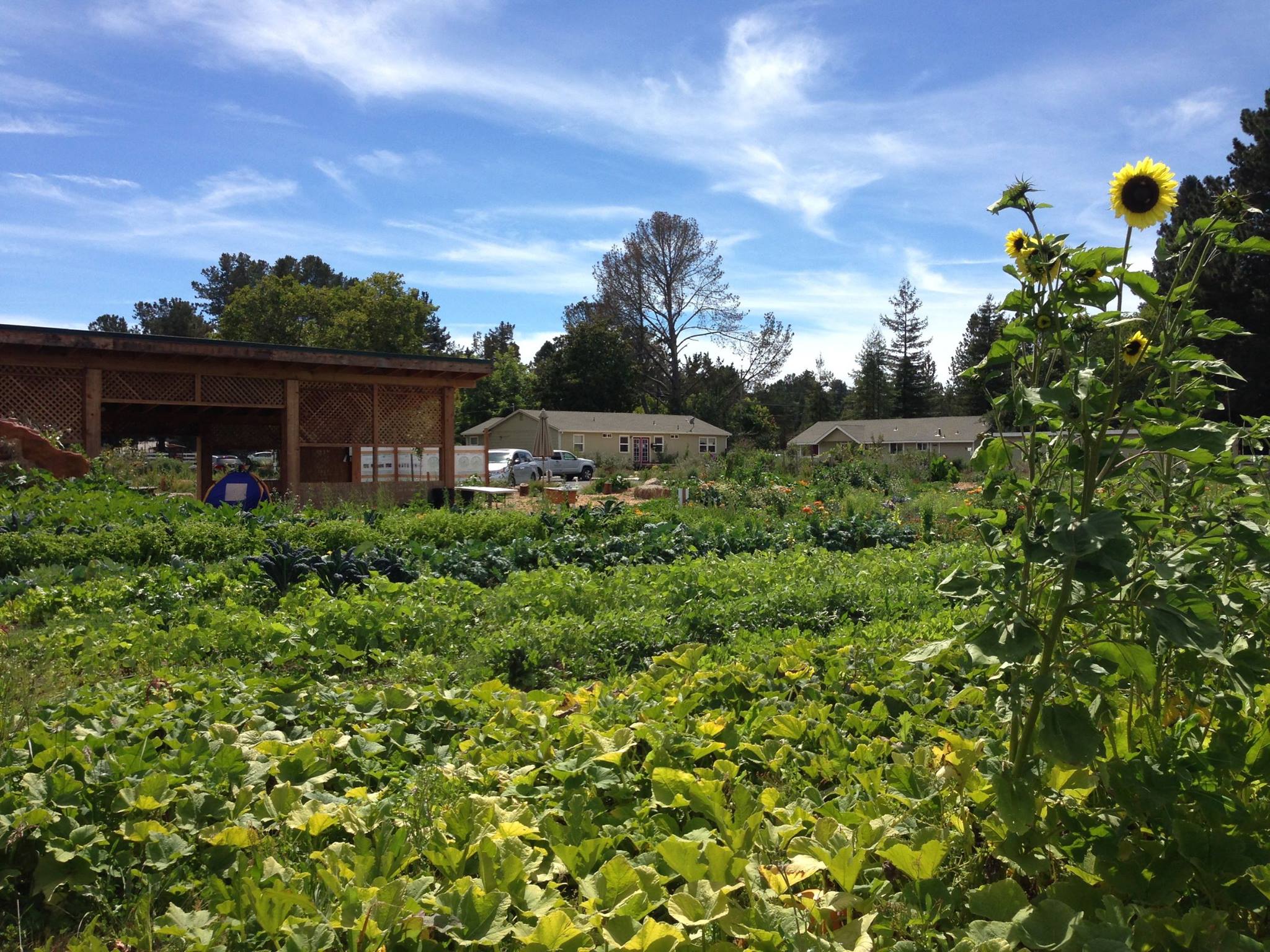
Permaculture Design Principles for Growing Produce Locally
As the world becomes more environmentally conscious, people are looking into ways to live a sustainable life. One of the best ways to achieve this is by growing produce locally using permaculture design principles. This approach not only helps you grow fresh and healthy food but also reduces your carbon footprint and supports the local ecosystem.
In this Q&A style post, we’ll explore some of the fundamental permaculture design principles that can help you grow produce locally in a sustainable way.
What is Permaculture?
Permaculture is an approach to agriculture that focuses on creating self-sustaining ecosystems that mimic natural systems. It puts emphasis on designing agricultural systems that work with nature rather than against it. The goal of permaculture is to create resilient and regenerative food systems that can sustain themselves for generations.
What are the Main Permaculture Design Principles?
There are several permaculture design principles, but here are some of the most important ones:
1. Observe and interact
Before starting any project or making any changes, it’s crucial to observe and understand how things work in your environment. Take time to study your land, climate, soil type, water sources, vegetation coverages among other factors affecting crop production.
2. Catch and store energy
One critical aspect of sustainability is energy management. Harvesting rainwater through catchment systems such as gutters directing water into tanks or underground storage facilities like boreholes will ensure constant availability during dry seasons
3. Obtain a yield
Growing produce isn’t just about sustainability; it’s also about feeding yourself and others around you with nutritious foods from your farm or garden.
4. Apply self-regulation & accept feedback:
The ecosystem has natural checks & balances which ensures stability over time even when external factors change – regulating use of resources such as irrigation schemes,, fertilizers etc . Accepting feedback means being open-minded enough to listen and learn from the environment.
5. Use and value renewable resources
By using renewable resources, such as sunlight, wind energy, or water sources that replenish themselves over time, you can reduce your dependence on non-renewable resources like fossil fuels.
6. Produce no waste
Waste reduction is a critical part of sustainable agriculture practices. You can recycle organic waste by composting it and use it to enrich your soil naturally.
7. Design from patterns to details
The overall pattern should come first before specific details are incorporated into the design. The overarching goal is to create a system that works in harmony with nature.
How Can Permaculture Principles Help Grow Produce Locally?
Permaculture principles can help you grow produce locally in several ways:
1. Soil Improvement:
Permaculture principles prioritize improving soil health through natural methods instead of artificial fertilizers which have negative environmental impacts . By building healthy soils through companion planting and crop rotation techniques , it ensures long-term sustainability of the farm
2. Water Management:
Water management plays a crucial role in permaculture farming practices since crops require consistent moisture levels for growth throughout their life cycles. Practices such as contour farming, swales or terracing help regulate water flow reducing erosion while increasing water retention capacity .
3.Composting:
Composting is an essential aspect of permaculture agriculture since organic wastes provide nutrients for plants while also reducing greenhouse gas emissions associated with landfill disposal . Composted materials such as food scraps, leaves & manure serve as nourishment for plants creating healthy soils leading to increased yields
4.Pest Control:
Permaculturists employ natural means such as intercropping with aromatic plants or strategic placement of insectary habitats which attract beneficial insects thus controlling pests without using toxic pesticides harmful both humans & environment
5.Diversity :
Diversity is key because monocropping has been known to lead not only lower yields but also increased incidences pest outbreaks. Permaculture principles encourage planting of diverse crops to create a balanced ecosystem.
What are Some Examples of Permaculture Practices for Growing Produce Locally?
Some examples of permaculture practices for growing produce locally include:
1. Companion Planting:
Companion planting involves intercropping different plant species in close proximity to one another, where they can mutually benefit from each other through increased pollination or pest control.
2. Polycultures:
Polycultures involve the cultivation of multiple crop species in a single area, which creates a more complex and resilient ecosystem that can support many different kinds of organisms.
3. Agroforestry:
Agroforestry is an approach that combines trees with crops or livestock production, creating a symbiotic relationship between the two systems while improving soil health and water retention capacity
4. Aquaponics:
Aquaponics is an innovative system that combines fish farming with hydroponic gardening-where plants grow directly in nutrient-rich water rather than soil . This method reduces water usage while enhancing yields since fish waste serves as fertilizer for plants
5. Keyhole Gardens:
Keyhole gardens are raised circular beds surrounded by stones or bricks and feature compost bins at their center . They are efficient in terms of space utilization & natural resource conservation especially on small plots land .
In Conclusion,
Permaculture design principles offer sustainable solutions to food production challenges facing communities around the world today . By prioritizing working with nature rather than against it , permaculturists create long-term solutions that improve both human well-being & environmental health.

Leave a Reply