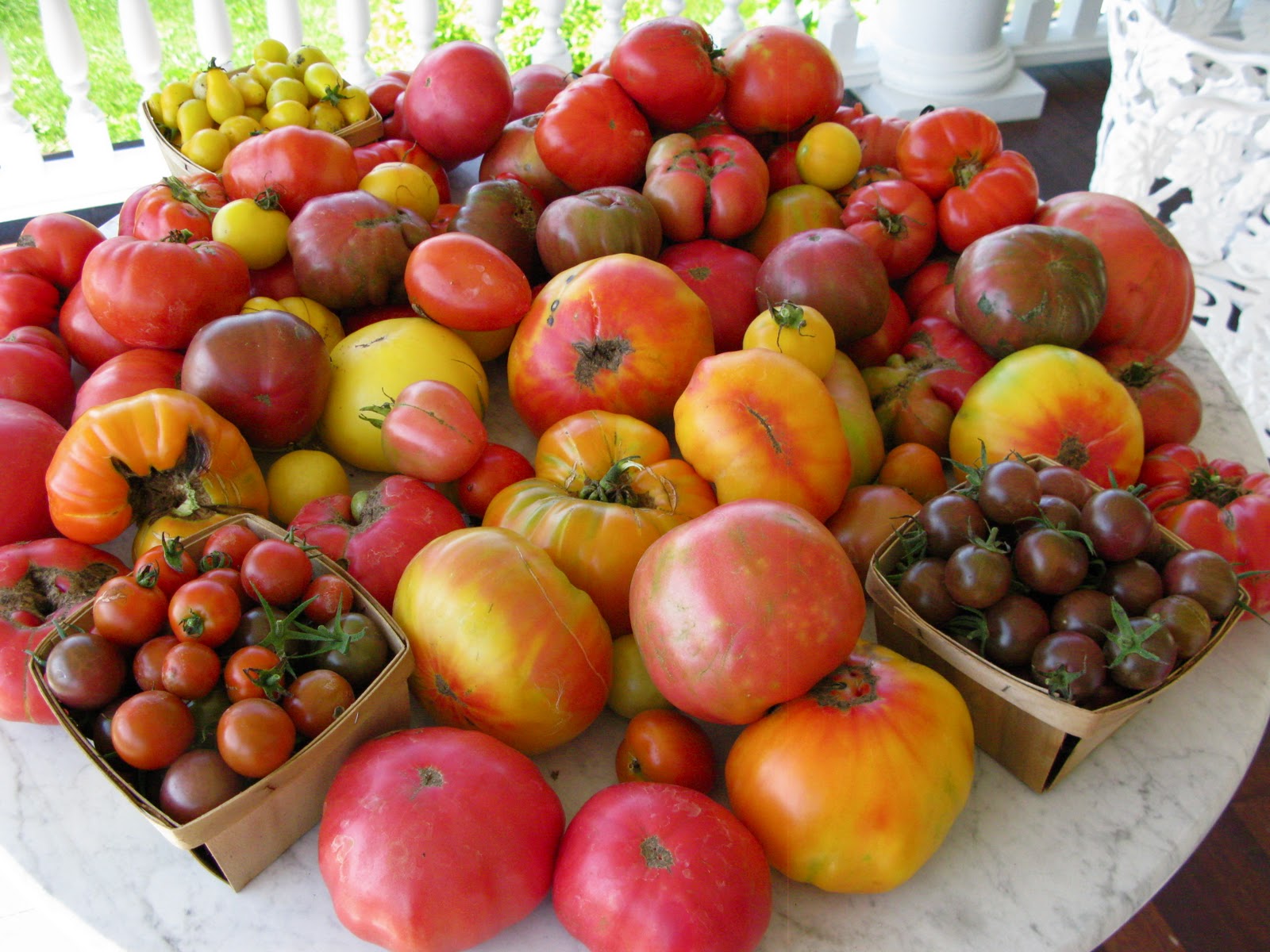
Heirloom fruits and vegetables are making a comeback in the world of healthy eating. These varieties have been passed down through generations, carefully selected for their unique flavors, colors, and textures. Unlike mass-produced crops that prioritize uniformity and ease of transportation over taste and nutrition, heirloom produce offers a diverse array of options that celebrate regional differences and cultural heritage.
One reason why people are turning to heirloom varieties is because they tend to be more nutrient-dense than hybrid or genetically modified counterparts. According to the Environmental Working Group (EWG), which publishes an annual Shopper’s Guide to Pesticides in Produce, some heirlooms contain higher levels of vitamins C and A than conventional varieties. They also often have lower water content, meaning you get more fiber per serving.
Another advantage of heirlooms is that they come in all shapes and sizes. Take tomatoes for example: while supermarket tomatoes are usually round, red, and perfectly smooth-skinned – characteristics that make them easy to harvest by machine – heirloom tomatoes can be yellow, green-striped or even black-purple with ruffled edges! And although they may not look as picture-perfect as their mass-produced cousins, many chefs prefer using heirlooms because they offer complex flavor profiles that add depth to dishes.
Some other popular examples include Rainbow carrots which come in every color from white to purple; Watermelon radishes with vibrant pink centers; Blue potatoes with bluish-gray skin; White eggplants with delicate sweetness; Green zebra stripes on firm fleshed Tomatoes etc.
In addition to being delicious additions to your diet they also help preserve traditional agricultural practices. Heirloom seeds are open-pollinated – meaning pollination occurs naturally through insects or wind — while hybrids require human intervention like grafting or cross-breeding which sometimes leads exploitation by big agribusinesses leading us towards food monopoly.
If you’re looking for ways to incorporate these tasty treats into your diet, farmer’s markets can be a great place to start. You’ll likely find a wide variety of heirloom produce at these events and get to speak with the farmers themselves who can tell you more about each crop and how it was grown.
Lastly, when selecting plants for your garden, consider choosing heirloom varieties over hybrid or GMO ones which are generally available at plant stores around springtime. Most seed companies now offer online catalogs that allow you to browse by category and order directly from the source.
In conclusion, Heirloom fruits and vegetables are not only delicious but also provide an opportunity for people to connect with their cultural heritage while promoting biodiversity in agriculture. They may require some extra effort in terms of sourcing them out but the taste is worth it!

Leave a Reply